


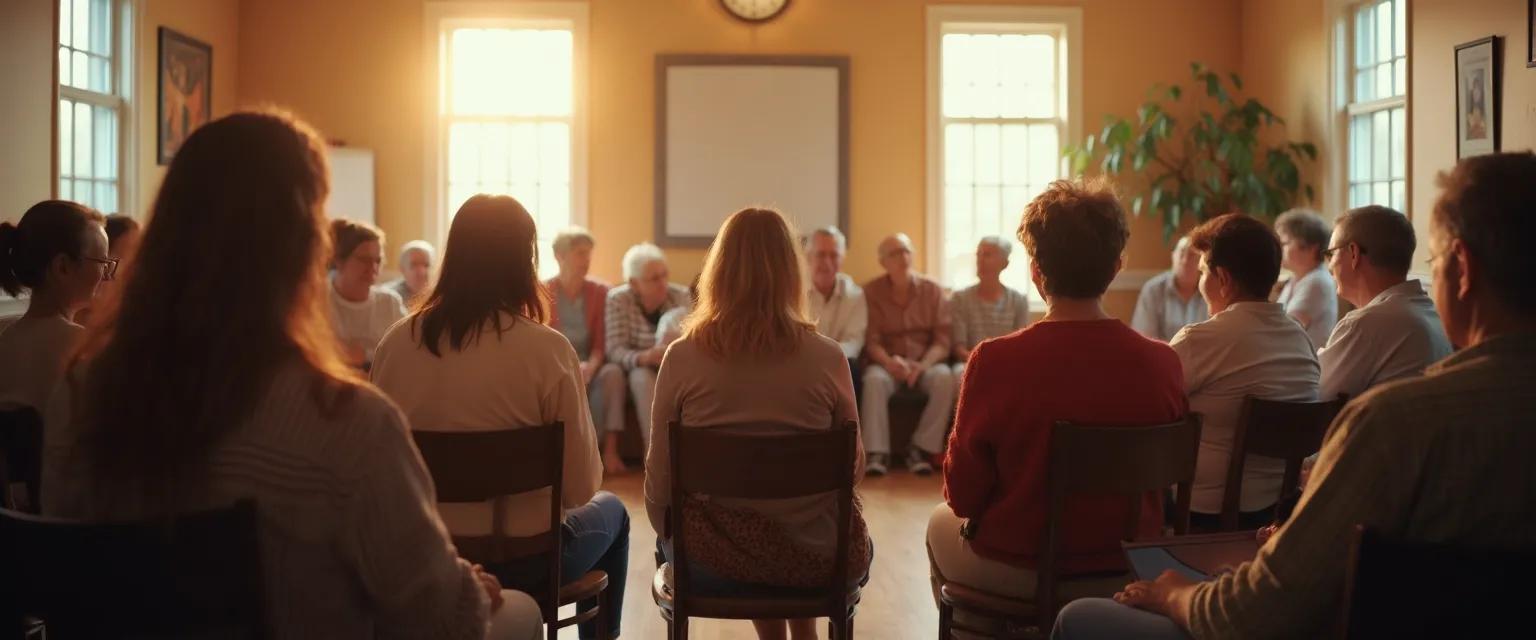
7 Unexpected Benefits from GriefShare Grief Recovery Support Groups
When life hits hard, griefshare grief recovery support groups offer more than just a shoulder to lean on—they provide powerful tools that work far beyond bereavement. These supportive communities, originally designed to help people navigate loss, equip participants with emotional regulation techniques that prove surprisingly valuable in everyday life. From managing workplace stress to navigating family conflicts, the coping mechanisms learned in griefshare grief recovery support groups transfer remarkably well to non-grief situations.
What makes these groups so transformative is their holistic approach to emotional processing. Rather than simply addressing the immediate pain of loss, griefshare grief recovery support groups teach participants to recognize, name, and navigate complex emotions—a skill set that proves invaluable across all life domains. Let's explore seven unexpected ways these groups enhance your emotional toolkit for everyday challenges, not just during times of grief.
Whether you're dealing with a difficult colleague or processing disappointment, these emotional regulation techniques offer practical paths forward. The skills developed in griefshare grief recovery support groups create resilience that serves you in surprising ways.
How Griefshare Grief Recovery Support Groups Build Everyday Resilience
The emotional awareness cultivated in griefshare grief recovery support groups translates directly to workplace challenges. When faced with criticism or project setbacks, participants often find themselves equipped with newfound emotional regulation. Rather than reacting impulsively, they can identify their feelings, acknowledge them, and respond thoughtfully—a professional superpower that griefshare grief recovery support groups help develop.
Family dynamics benefit tremendously from grief processing frameworks as well. The communication techniques taught in griefshare grief recovery support groups—speaking honestly without blame, active listening, and expressing needs clearly—transform how participants navigate conflicts with loved ones. One participant noted: "I came to process my father's death but ended up completely changing how I communicate with my teenage son."
Perhaps most surprisingly, the validation exercises practiced in griefshare grief recovery support groups enhance daily emotional regulation. When participants learn to honor their own feelings without judgment, they develop self-trust and inner confidence that extends far beyond grief processing.
The perspective-shifting tools taught in these groups also prove invaluable for everyday challenges. When faced with disappointments or unexpected changes, griefshare grief recovery support groups graduates often report an enhanced ability to reframe situations constructively. This skill—viewing setbacks as temporary and manageable rather than catastrophic—builds resilience that serves participants in countless situations.
Best griefshare grief recovery support groups also teach participants to recognize when they're catastrophizing or engaging in all-or-nothing thinking. This awareness helps them catch and redirect these thought patterns in everyday situations, from traffic jams to work presentations, not just during grief episodes.
Practical Applications of Griefshare Grief Recovery Support Group Skills
The breathing techniques taught in griefshare grief recovery support groups offer immediate emotional regulation in any situation. When tension rises during a difficult conversation or before an important presentation, the simple 4-7-8 breathing method (inhale for 4 counts, hold for 7, exhale for 8) provides instant physiological calming—a griefshare grief recovery support groups technique that works universally.
Boundary-setting language represents another transferable skill from these groups. Phrases like "I need some time to process this" or "I'm not able to take that on right now" give participants permission to protect their emotional energy. These healthy boundary techniques work equally well whether declining additional work responsibilities or managing family holiday expectations.
The community approach of griefshare grief recovery support groups teaches participants how to build and maintain supportive networks in all areas of life. By practicing vulnerability in a safe environment, participants develop the skills to create meaningful connections outside the grief context—an essential component of emotional wellbeing.
Additionally, effective griefshare grief recovery support groups strategies include recognizing emotional triggers and developing personalized response plans. This awareness helps participants navigate challenging situations more skillfully, whether it's a difficult anniversary date or a stressful work deadline.
Perhaps most importantly, griefshare grief recovery support groups guide participants to practice self-compassion. This fundamental skill—treating oneself with the same kindness you'd offer a good friend—transforms how participants handle setbacks and challenges in all areas of life.
The tools gained through griefshare grief recovery support groups extend far beyond processing loss. They equip participants with practical emotional regulation techniques for life's everyday challenges. Whether you're seeking support for grief or simply looking to enhance your emotional resilience, these groups offer valuable skills that transform how you navigate life's complexities.



