


7 Unexpected Benefits Of Grief Share Through Art Therapy | Grief
When words fail us during times of loss, art speaks volumes. Grief share through creative expression offers a powerful alternative to traditional verbal processing, providing a unique pathway to healing that many don't expect. Art therapy creates a safe space where emotions too complex for language can find form and meaning. While talking about loss is valuable, engaging in grief share through artistic methods unlocks emotional doors that sometimes remain closed during conventional therapy or support groups.
The beauty of art therapy for grief share lies in its accessibility—you don't need artistic talent to benefit from it. Whether through simple brushstrokes, collage-making, or clay modeling, creative expression provides a natural emotional regulation process that honors your unique grief journey. Let's explore seven unexpected benefits that make art therapy an exceptional tool for processing loss and connecting with others who understand.
How Grief Share Through Art Therapy Transforms Emotional Processing
The first remarkable benefit of grief share through art is how it bypasses verbal barriers. When words feel inadequate or overwhelming, colors, shapes, and textures speak for us. Many grieving individuals discover they can express through art what they cannot yet verbalize, making grief share more accessible during the most difficult phases of loss.
Second, art therapy creates tangible representations of complex emotions. These visual manifestations provide a concrete way to examine feelings that might otherwise remain abstract and unprocessed. By creating a physical representation of grief, individuals can literally "see" their emotions, making them easier to acknowledge and work through during grief share sessions.
The third benefit involves establishing psychological distance. Art creates a safe buffer between the creator and overwhelming emotions, allowing for grief share at a pace that feels manageable. This distance provides a protective space where difficult feelings can be explored without becoming completely overwhelmed—a crucial aspect of anxiety management during grief.
Research consistently supports art therapy's effectiveness for grief processing. Studies show that creative expression activates different brain regions than verbal processing, allowing for more holistic emotional integration. This neurological diversity makes grief share through art uniquely effective for many people who find traditional talking methods insufficient.
Social and Healing Benefits of Grief Share Art Therapy
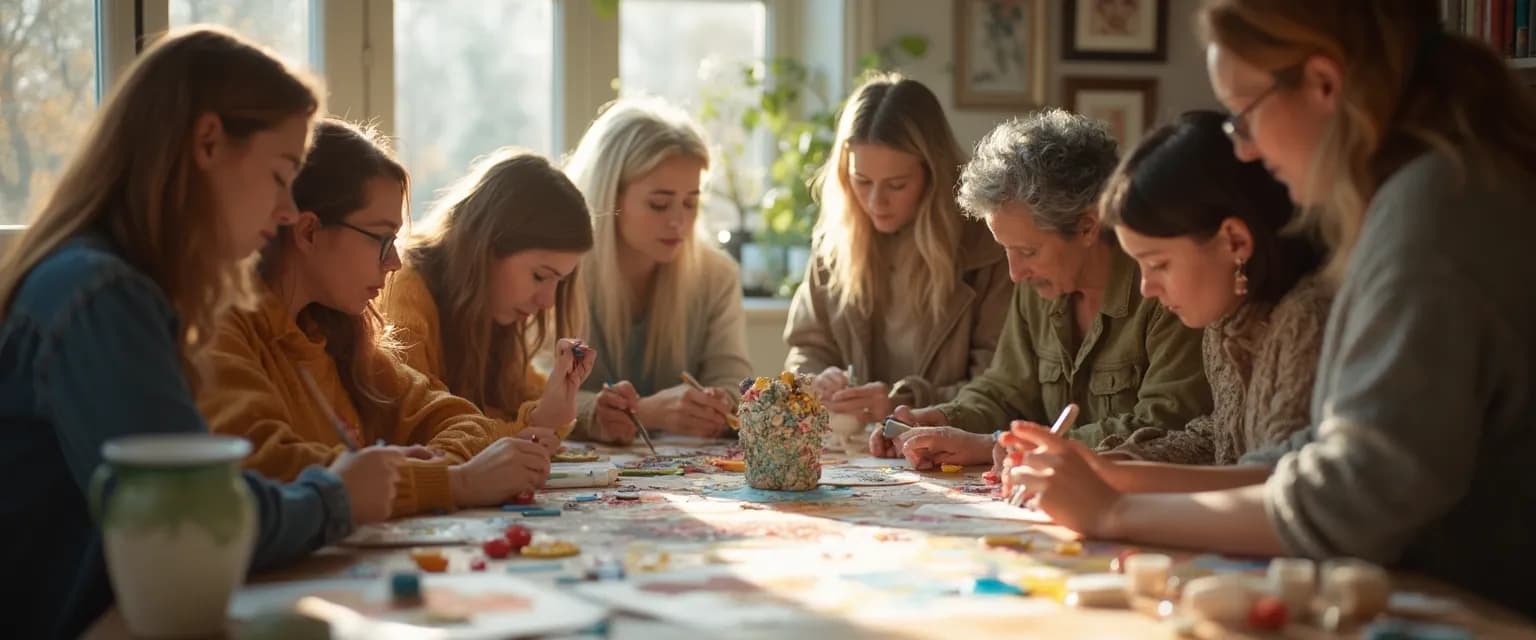
The fourth unexpected benefit emerges through community connections. Group art therapy creates powerful grief share opportunities as participants witness each other's creative expressions of loss. These shared creative experiences often foster deeper connections than words alone, as visual expressions of grief can transcend linguistic and cultural barriers.
Fifth, art therapy facilitates the creation of lasting memorials and tributes. Through creative grief share, individuals craft meaningful representations that honor their loved ones. These tangible creations serve as ongoing connections to those lost, providing comfort long after the initial grief share process.
The sixth benefit involves discovering unexpected personal strengths. Many participants in art therapy grief share programs report surprise at their own resilience and creative capacity. This discovery process contributes to building self-trust and confidence during an otherwise destabilizing time.
Finally, artistic expression helps many find meaning and purpose after loss. The seventh benefit of grief share through art therapy is its ability to transform pain into something beautiful and meaningful. This alchemical process doesn't erase grief but integrates it into a new life narrative where loss coexists with continued growth and connection.
Embracing Your Grief Share Journey Through Art
Starting your art therapy practice for grief share doesn't require special equipment or training. Simple materials like colored pencils, magazines for collage, or modeling clay provide excellent entry points. Different art forms serve different emotional needs—fluid watercolors might express sadness while structured collage helps organize chaotic feelings.
Remember that effective grief share through art isn't about creating museum-worthy pieces but about authentic expression. The process matters more than the product. Many find that combining art therapy with traditional grief share groups provides complementary benefits, addressing both the verbal and nonverbal aspects of loss.
As you explore grief share through creative expression, approach the process with curiosity rather than expectation. There's no "right way" to express grief artistically. Your unique grief share journey deserves personalized expression that honors both your loss and your continuing life. Through art therapy, many discover not just healing but unexpected growth and connection that enriches their grief share experience in profound and lasting ways.



