


Finding Peace Through Grief and Meditation: When Words Fail You
When grief wraps itself around your heart, traditional meditation can feel impossible. The very idea of sitting still with your thoughts might seem overwhelming when those thoughts are consumed by loss. Yet grief and meditation can be powerful companions on the healing journey. The key is adapting your practice to honor where you are, not where meditation books say you should be.
Grief affects our brains in profound ways, making concentration difficult and emotions unpredictable. Research shows that mindfulness techniques during grief can reduce the intensity of emotional pain while allowing necessary processing to occur. But here's what many don't tell you: when words fail and formal practice feels impossible, non-verbal approaches to grief and meditation create space for healing without demanding verbal processing.
Think of grief-responsive meditation not as one more thing to perfect, but as permission to be exactly where you are. Your grief and meditation practice can be as simple as three conscious breaths or as gentle as feeling the weight of your body against a chair. The science is clear – even these micro-moments of presence create physiological shifts that support healing.
Gentle Body-Based Grief and Meditation Techniques
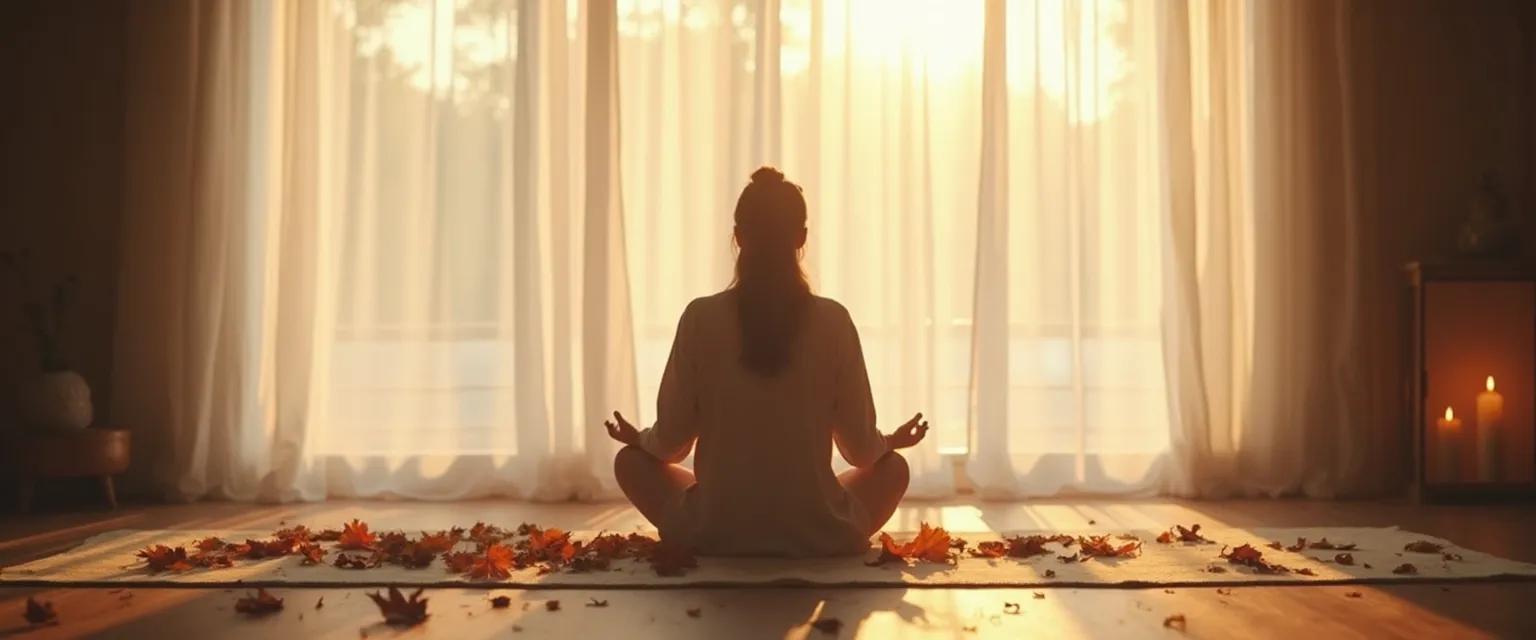
When grief feels overwhelming, the body becomes an anchor for meditation practice. Specific postures can provide both physical and emotional support during grief and meditation sessions. The "mountain of grief" position involves sitting with your back supported, feet grounded, and hands resting palms-up on your thighs – symbolizing both stability and openness to experience.
Breathing patterns offer another entry point to grief and meditation when cognitive approaches feel impossible. Try "grief breathing" – inhale slowly through your nose for four counts, hold briefly, then release through slightly parted lips with a gentle sigh. This technique activates the parasympathetic nervous system, creating a physiological state that can hold grief more comfortably.
Your environment plays a crucial role in supporting grief and meditation practice. Create a dedicated space with meaningful objects that honor your loss. Some find that calming background sounds make meditation during grief more accessible by providing gentle sensory focus.
Hand positions (mudras) offer another non-verbal approach to grief and meditation. The "self-holding" mudra involves crossing arms over your chest, placing hands on opposite shoulders in a self-embrace. This position activates pressure receptors that reduce stress hormones while symbolically holding your grief with compassion.
Responsive Breathing Patterns for Grief
When emotions feel overwhelming, try "wave breathing" – visualize your breath moving like gentle waves, allowing emotional intensity to rise and fall naturally. This grief and meditation technique acknowledges the fluctuating nature of loss without requiring you to control it.
Remember that effective grief and meditation practices honor where you are today, not where you think you should be. The best grief and meditation approaches adapt to your changing needs throughout the grieving process.
Integrating Grief and Meditation Into Daily Life
Grief doesn't confine itself to scheduled meditation sessions, so your practice shouldn't either. Micro-meditation moments throughout the day honor grief while providing emotional regulation. Try the "grief pause" – when emotions surge, stop, place one hand on your heart, take three breaths, and silently acknowledge: "This is grief, and it's allowed to be here."
As your grief evolves, so will your meditation needs. Initially, grief and meditation might focus on grounding and emotional regulation. Later, you might incorporate more reflective practices. Pay attention to what your body and mind are asking for – this awareness itself is a form of meditation.
Building a sustainable grief and meditation practice means embracing flexibility. Some days, your practice might be a 30-second power pose that helps you face a difficult moment. Other days, you might sit for longer periods. All of these count as valid grief and meditation approaches.
Finding community support enhances the healing power of grief and meditation. This might mean joining a meditation group specifically for grieving people or simply having a friend sit in quiet presence with you. Shared grief meditation experiences normalize the unpredictable nature of loss while providing witness to your journey.
Remember that grief and meditation is not about "getting over" loss but about creating a relationship with it that allows life to continue expanding. The most effective grief and meditation strategies acknowledge that healing isn't linear – it's a spiral where you revisit emotions with increasing capacity to hold them with compassion.



