


Finding Strength in Grief Groups: When Shared Loss Creates Connection
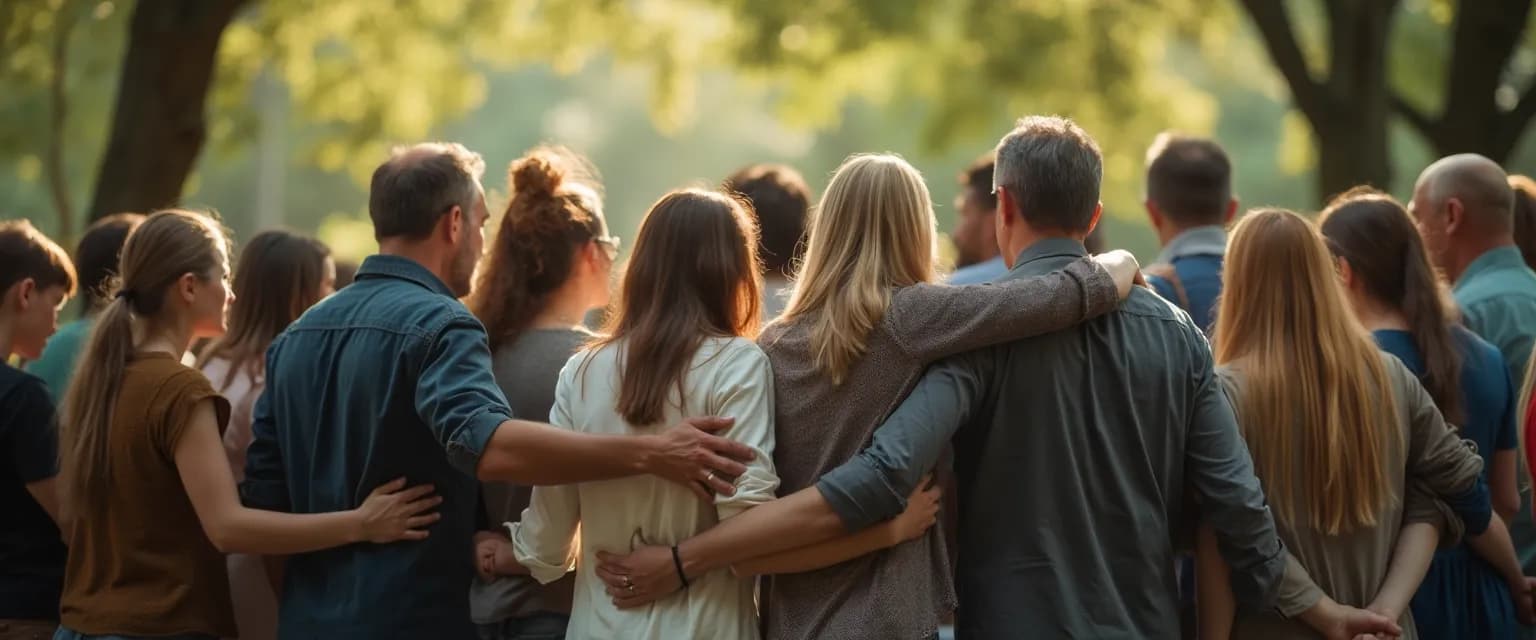
When tragedy strikes a community, something remarkable happens: strangers come together, forming spontaneous grief groups that create unexpected connections. These powerful communal spaces emerge naturally when collective loss touches multiple lives simultaneously. Whether it's a natural disaster, public tragedy, or shared cultural loss, grief groups provide a unique healing environment that differs significantly from mourning alone.
The science behind collective mourning reveals why these spontaneous communities feel so powerful. When we grieve in groups, our brains release oxytocin—the bonding hormone—creating biological connections with those sharing our pain. This neurochemical response helps explain why many find comfort through social connection even with people they've never met before.
What makes informal grief groups so effective is their ability to normalize complex emotions. When surrounded by others experiencing similar feelings, the isolation that often accompanies grief diminishes. You're no longer grieving alone—you're part of a collective processing something bigger than yourself, yet still honoring your individual experience.
How Grief Groups Transform Strangers into Supporters
The emotional dynamics in spontaneous grief groups create a unique environment where vulnerability becomes strength. Unlike everyday social interactions where we carefully manage our public faces, grief groups establish an unspoken agreement: authentic emotion is welcome here. This psychological safety allows people to express feelings they might otherwise keep hidden.
Consider what happened after community tragedies like the Pulse nightclub shooting or the Boston Marathon bombing. Complete strangers formed powerful grief groups, creating memorial sites where they could gather, share stories, and process emotions together. These spaces became sacred grounds for collective healing.
What's particularly fascinating about grief groups is their reciprocal nature. Research shows that offering support to others while grieving actually accelerates your own healing process. This phenomenon, known as the "helper therapy principle," explains why many find that giving comfort in grief groups provides as much benefit as receiving it.
One participant in a community grief group following a school tragedy noted: "I came seeking comfort but found purpose in supporting others. Somehow, in helping them carry their pain, my own became lighter." This experience highlights how group emotional management creates a shared resilience that individual coping often cannot match.
The temporary nature of spontaneous grief groups also contributes to their power. Unlike permanent relationships where we worry about long-term impressions, these brief but intense connections allow for emotional authenticity without social consequences, creating space for profound healing moments.
Maximizing the Healing Potential of Grief Groups
While spontaneous grief groups form naturally, there are ways to engage more intentionally with these healing communities. First, recognize that participation can take many forms—from active sharing to supportive listening. Both approaches contribute equally to the collective healing process.
When participating in grief groups, balance personal and collective needs by setting emotional boundaries. It's perfectly acceptable to step back when overwhelmed. Taking small breaks allows you to process your emotions while still remaining connected to the group experience.
Many find that emotional regulation techniques learned in grief groups transfer to other areas of life. The skills developed—like sitting with uncomfortable feelings, expressing emotions appropriately, and supporting others through pain—become valuable tools for navigating future challenges.
To find your personal path through collective mourning:
- Honor your individual grief journey while participating in the group process
- Recognize when shared activities (vigils, memorials, volunteer work) feel healing versus overwhelming
- Incorporate meaningful rituals that connect your personal experience to the larger community
The impact of grief groups often extends far beyond the immediate mourning period. Many report that these temporary communities create lasting perspective shifts about human connection, resilience, and our capacity to support one another through life's most difficult moments.
As we navigate increasingly complex times, understanding the power of grief groups becomes essential. These spontaneous communities remind us that even in our most vulnerable moments, human connection offers a path forward. By engaging thoughtfully with grief groups when collective loss occurs, we discover that sharing our burden with others—even strangers—creates space for healing that we might never find alone.



