


Finding Your Path: How to Choose the Right GriefShare Grief Recovery Support Groups
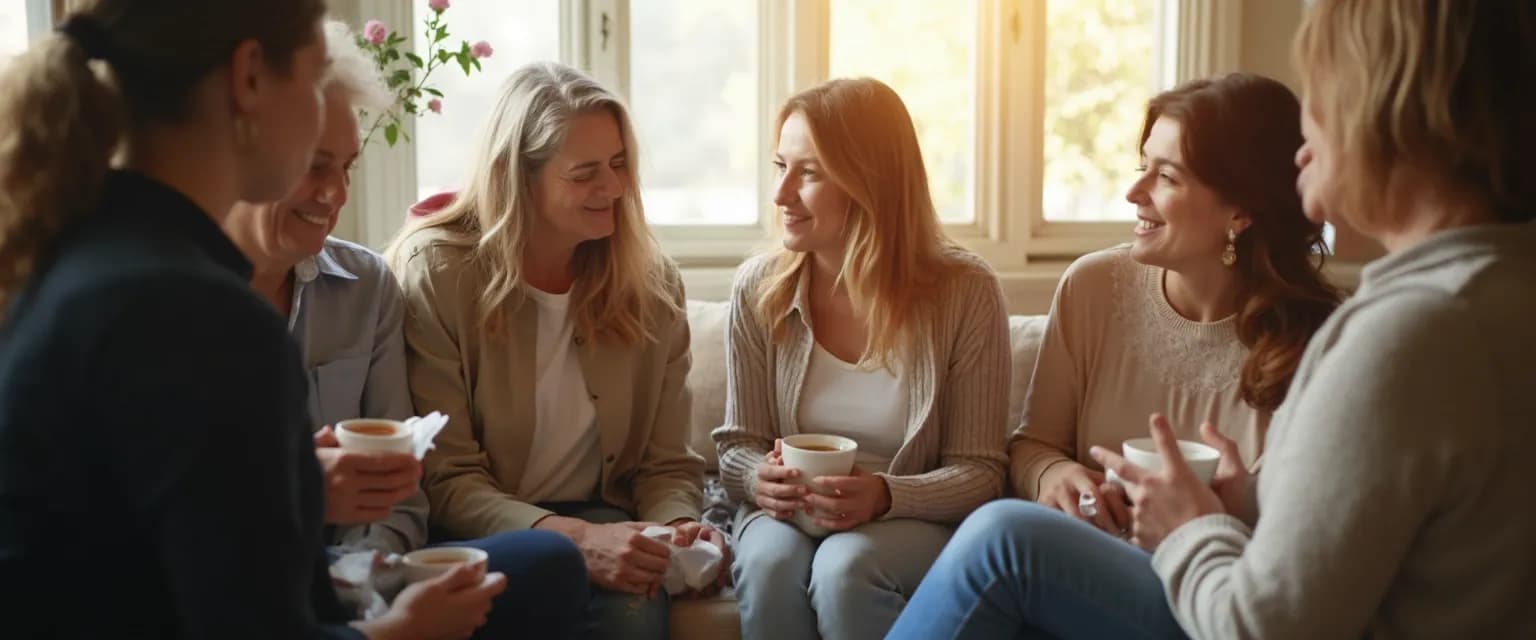
Grief arrives uniquely for each of us, making the search for appropriate griefshare grief recovery support groups deeply personal. When loss leaves you feeling adrift, finding the right community can make all the difference in your healing journey. Griefshare grief recovery support groups offer structured environments where people experiencing similar pain can connect, share, and gradually rebuild. These communities vary widely in their approaches, philosophies, and structures—from faith-based GriefShare programs to secular alternatives and specialized groups for specific types of loss. The key to benefiting from these resources lies in finding a group that aligns with your personal beliefs, grief style, and emotional needs.
Understanding the landscape of griefshare grief recovery support groups helps you make informed choices during a time when decision-making might feel overwhelming. While some people find comfort in spiritually-oriented settings, others prefer approaches grounded in psychology or peer support. Your grief is unique—and the support you choose should honor your individual experience and healing process.
Understanding Different Types of GriefShare Grief Recovery Support Groups
The world of griefshare grief recovery support groups encompasses diverse approaches to healing. Faith-based GriefShare programs, often hosted by churches, integrate spiritual principles with grief education and peer support. These structured programs typically run for 13 weeks, combining video seminars, group discussions, and workbook exercises that explore grief through a religious lens. For those whose faith forms an essential part of their identity, these groups provide comfort through shared beliefs and spiritual reassurance.
Secular grief recovery groups offer an alternative approach without religious components. These groups focus on psychological understanding of grief, emotional processing, and building coping skills through shared experiences. Organizations like Compassionate Friends or groups facilitated by mental health professionals create spaces where grievers can work through their feelings using evidence-based approaches to emotional healing.
Specialized griefshare grief recovery support groups address specific loss experiences—whether bereaved parents, widow/widowers, survivors of suicide loss, or those grieving non-death losses like divorce or career changes. These targeted communities offer validation from others who truly understand your particular grief journey.
The format matters too. In-person griefshare grief recovery support groups provide physical presence and immediate connection, while online options offer accessibility and sometimes anonymity. Many people find value in hybrid approaches, combining virtual and face-to-face support as their needs evolve throughout their grief journey.
How to Evaluate GriefShare Grief Recovery Support Groups for Your Needs
Finding the right griefshare grief recovery support groups requires thoughtful consideration of several factors. Start by asking these essential questions about any group you're considering:
- What philosophy or belief system underlies the group's approach to grief?
- Who facilitates the meetings—professionals, peers, or clergy—and what training do they have?
- What structure does the group follow? Is it time-limited or ongoing?
- How much participation is expected from members?
- Does the group focus on education, emotional expression, or practical coping strategies?
Consider your comfort with spiritual discussions when evaluating griefshare grief recovery support groups. If faith provides comfort during your grief, a religious group might feel nurturing. If you prefer secular approaches, look for groups that focus on psychological understanding and emotional processing without religious components.
Your personal grief style matters too. Some people process grief through conversation and emotional expression, while others prefer action-oriented approaches. The right griefshare grief recovery support groups will match your natural tendencies while gently encouraging growth in areas where you might be stuck.
Taking the Next Step in Your GriefShare Grief Recovery Support Journey
Ready to connect with griefshare grief recovery support groups? Start by researching options through hospice organizations, community centers, mental health clinics, or religious institutions in your area. Most groups welcome visitors to attend a session before committing, giving you the opportunity to assess the fit firsthand.
Before attending your first meeting, prepare yourself emotionally by acknowledging any anxiety you might feel. Remember that everyone in the room has experienced loss—you're not alone in your grief or your nervousness about sharing it.
Effective griefshare grief recovery support groups should leave you feeling understood, validated, and slightly more equipped to face your grief, even when meetings stir up difficult emotions. If after several sessions you don't experience some sense of connection or benefit, it's perfectly acceptable to try different griefshare grief recovery support groups until you find your community.
The journey through grief isn't linear, and finding support is an act of self-compassion. With patience and persistence, the right griefshare grief recovery support groups can become a crucial element in your healing process, providing both companionship and guidance as you navigate life after loss.



