


Grief Of Losing A Friendship: Physical Symptoms & Body Signals | Grief
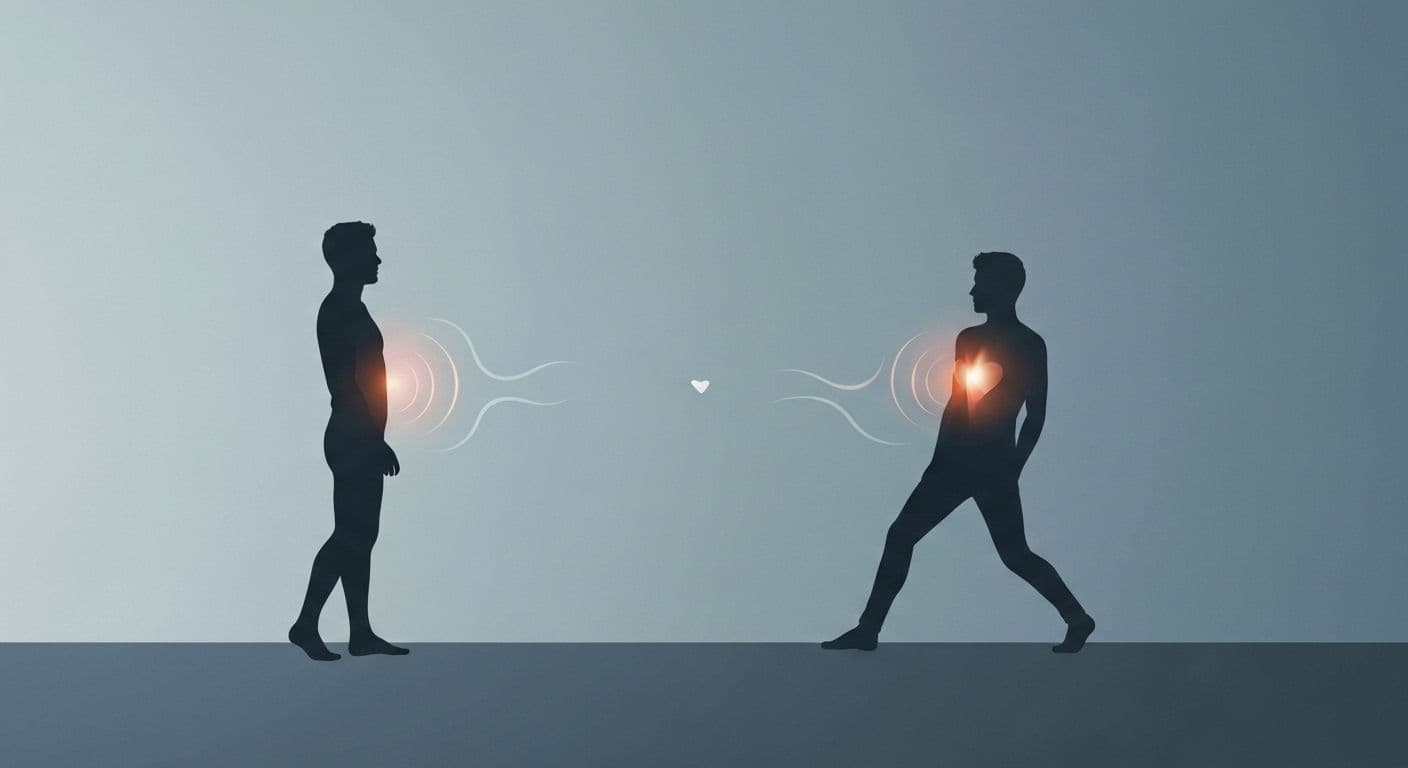
Your chest tightens. Sleep feels impossible. That familiar exhaustion settles in your bones, and your stomach hasn't felt right in days. You might think you're getting sick, but here's what's really happening: you're experiencing the grief of losing a friendship, and your body is responding to this loss as intensely as it would to physical injury. These symptoms aren't in your head—they're measurable, biological responses to a significant social rupture.
The grief of losing a friendship creates real physical changes in your body, from altered sleep patterns to shifts in immune function. Your racing heart when you see a reminder of your former friend? That's your nervous system processing social pain. The heaviness in your limbs that makes even simple tasks feel overwhelming? That's your body communicating that something important has changed in your social world.
Understanding why friendship loss triggers physical symptoms helps you respond with compassion rather than confusion. When you recognize these bodily reactions as natural parts of processing grief, you can support yourself through the experience instead of fighting against what your body is trying to tell you. Let's explore what's actually happening inside you and how to work with your body's signals during this challenging time.
The Physical Reality of Grief of Losing a Friendship
Here's something fascinating: your brain processes social pain in the same neural regions that light up during physical pain. When you experience the grief of losing a friendship, your anterior cingulate cortex and insula activate—the exact same areas that respond when you stub your toe or burn your hand. Your brain literally can't tell the difference between social rejection and physical injury.
This explains why friendship grief creates such tangible physical symptoms. You might notice disrupted sleep patterns, waking up at odd hours or struggling to fall asleep as your mind processes the loss. Fatigue becomes your constant companion, making even routine activities feel exhausting. Your appetite shifts—either disappearing entirely or driving you toward comfort foods. Some people experience tension headaches, muscle aches, or digestive upset.
The grief of losing a friendship triggers your stress response system, flooding your body with cortisol and other stress hormones. This is your body's way of signaling that something significant has happened in your social environment. From an evolutionary perspective, losing social connections once posed a genuine survival threat, so your body treats friendship loss as a serious event worthy of a full physiological response.
These symptoms are completely normal and, importantly, temporary. Just as your stress response adapts to major life changes, your body will recalibrate as you process this loss. The physical manifestations of friendship grief are part of a natural healing process, not a sign that something is wrong with you.
What Your Body Is Telling You During Friendship Grief
Rather than viewing physical symptoms as problems to eliminate, consider them as information your body is providing. Each sensation carries a message about what you need during this period of adjustment.
Sleep disruption signals that your mind is actively processing the loss, even during rest. Your brain is working overtime to make sense of the changed social landscape, reorganizing memories and adjusting expectations. This is why self-soothing techniques become particularly valuable during friendship grief—they help your nervous system settle enough for restorative sleep.
That deep fatigue you're experiencing? It reflects the emotional labor required to process the grief of losing a friendship. Grief work demands significant energy, even when you're not consciously thinking about the loss. Your body needs extra rest to support this intensive processing.
Appetite changes reflect your nervous system recalibrating to a new social reality. Your body's hunger and satiety signals are closely tied to your emotional state, so shifts in eating patterns make perfect sense during this transition.
Physical tension—whether in your shoulders, jaw, or stomach—shows where you're holding emotional stress in your body. These areas of tightness map directly to how you're experiencing the loss, creating a physical representation of emotional pain.
Supporting Your Body Through the Grief of Losing a Friendship
Now that you understand what your body is communicating, let's explore practical ways to support yourself through this physical dimension of friendship loss.
Gentle movement helps metabolize stress hormones coursing through your system. Even a 10-minute walk signals to your nervous system that you're safe and capable of responding to challenges. You don't need intense exercise—just consistent, manageable movement that feels supportive rather than demanding.
Prioritize sleep hygiene basics: maintain a consistent bedtime, keep your room cool, and limit screen exposure before bed. When sleep feels elusive, these foundational practices create the best conditions for rest, even if sleep remains disrupted for a while.
Use breathwork to communicate safety to your nervous system. Try box breathing when physical symptoms spike—inhale for four counts, hold for four, exhale for four, hold for four. This simple technique, similar to boundary-setting practices for anxiety, helps regulate your stress response.
Nourish your body with simple, nutritious foods even when appetite is low. Your body needs fuel to process the grief of losing a friendship, so focus on easy, appealing options rather than elaborate meals.
Practice brief body scans to release physical tension and reconnect with your physical sensations. Spend just a few minutes noticing where you're holding stress, then consciously softening those areas. Healing the grief of losing a friendship includes caring for your body, not just managing your emotions.



