


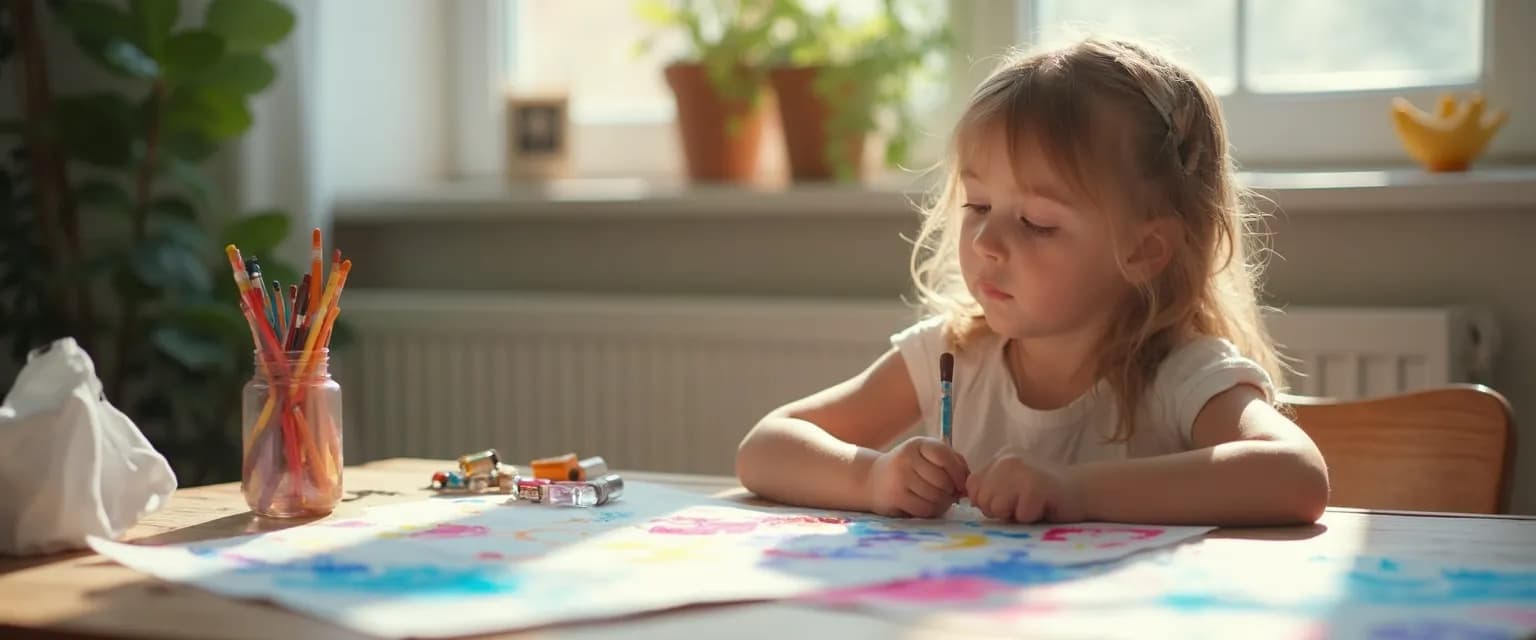
How Grief Prompts Help Children Express Feelings Through Art Activities
When children face loss, they often struggle to express the complex emotions that come with grief. Unlike adults, kids may not have the vocabulary or emotional awareness to articulate their feelings verbally. This is where grief prompts through artistic expression can make a profound difference. Grief prompts—specifically designed creative activities that guide children through expressing difficult emotions—provide a natural pathway for processing loss. These structured art activities create a safe space where children can externalize their inner experiences without the pressure of finding the right words.
The science behind using grief prompts with children is compelling. Research shows that art activates different parts of the brain than verbal processing, allowing children to express emotions through creativity even when they can't name what they're feeling. When a child draws, paints, or sculpts in response to thoughtfully designed grief prompts, they're actually engaging in a form of emotional processing that bypasses the limitations of language.
For children experiencing grief, these creative activities aren't just about distraction—they're about transformation. Effective grief prompts give form to feelings that might otherwise remain trapped inside, causing behavioral issues or emotional withdrawal. By providing structure without imposing meaning, grief prompts help children tell their unique stories of loss and healing.
Age-Appropriate Grief Prompts Through Art for Different Developmental Stages
The most effective grief prompts strategies consider a child's developmental stage. For preschoolers (ages 3-5), simple grief prompts work best. Try offering finger paints with the prompt: "Show me how your heart feels today using these colors." Young children respond well to concrete grief prompts like creating a memory box decorated with pictures representing happy times with the person they've lost.
Elementary-aged children (6-10) benefit from grief prompts that incorporate storytelling. Activities like "draw a comic strip about a special memory" or "create a worry monster that you can give your scary feelings to" provide just enough structure while honoring their growing independence. Clay work is particularly effective with this age group, as it allows for physical expression of emotions that might feel too big to handle.
For tweens and teens (11-17), grief prompts need to balance guidance with respect for autonomy. Abstract grief prompts like "create a landscape that represents your grief journey" or "design a symbolic self-portrait showing your inner and outer worlds" can be powerful. These older children often appreciate resilience-building activities that acknowledge the complexity of their emotions.
When introducing grief prompts to children, the framing matters tremendously. Always present these activities as invitations rather than assignments. Say: "Would you like to try this art activity that helps some kids feel better when they're missing someone?" rather than "You need to draw your feelings now." This non-pressuring approach honors the child's agency in their grief process.
Implementing Grief Prompts at Home and School Settings
Creating the right environment for grief prompts is essential for their effectiveness. Whether at home or in school, establish a quiet, comfortable space with minimal distractions. Provide quality art materials that work well—frustration with supplies can derail the emotional benefits of grief prompts. Most importantly, ensure emotional safety by respecting privacy and avoiding judgment about what emerges in the artwork.
When a child shares art created through grief prompts, your response can either facilitate or hinder healing. Instead of interpreting their work ("I see you're feeling angry"), try open questions: "Would you like to tell me about your picture?" or "What was it like to make this?" This approach supports children in finding their own meaning in what they've created.
Positive signs that grief prompts are helping include increased willingness to talk about the loss, reduced behavioral problems, better sleep patterns, and the child initiating art activities on their own. Many children naturally move between grief expression and normal activities—this oscillation is healthy and shows they're managing anxiety through the grief process.
While grief prompts provide valuable emotional support, be alert for signs that additional help might be needed. If a child shows persistent nightmares, prolonged withdrawal, aggression, or concerning themes in their artwork, consider consulting with a child specialist.
Grief prompts through art offer children a voice when words fail them. By providing age-appropriate creative activities, we give children tools to navigate the complex landscape of loss. The beauty of grief prompts lies in their simplicity—with basic art supplies and thoughtful guidance, we can help children express, process, and eventually integrate their grief experiences in healthy ways.



