


Losing a Sibling: How to Honor Their Memory Without Traditional Funerals
Losing a sibling creates a unique kind of emptiness that defies conventional expressions of grief. Unlike other losses, this one removes someone who shared your earliest memories, your family language, and often your understanding of who you are in the world. When traditional funerals and memorials don't feel right—whether because they're too formal, don't capture your sibling's spirit, or simply don't match how you process grief—you might feel lost about how to honor their memory authentically.
There's no rulebook for grieving after losing a sibling, and there's certainly no requirement that you follow traditional memorial paths. Your relationship was unique, shaped by shared childhood experiences, inside jokes, and a bond that outsiders rarely fully understood. If conventional services feel hollow or performative, that's a valid response. What matters is finding ways to remember them that feel true to who they were and meaningful to you.
The most powerful tributes often happen away from crowded funeral homes and formal ceremonies. They emerge from the quiet moments when you choose to keep their memory alive in ways that reflect your actual relationship, not society's expectations. This guide explores strategies for managing emotions through personalized remembrance practices that honor your sibling on your own terms.
Creating Personal Rituals After Losing a Sibling
Personal rituals provide structure to grief without the formality of traditional memorials. These private traditions connect you to your sibling's memory in ways that feel authentic rather than obligatory. The beauty of personal rituals is that they evolve with your healing journey, adapting as your grief transforms over time.
Nature-Based Remembrances
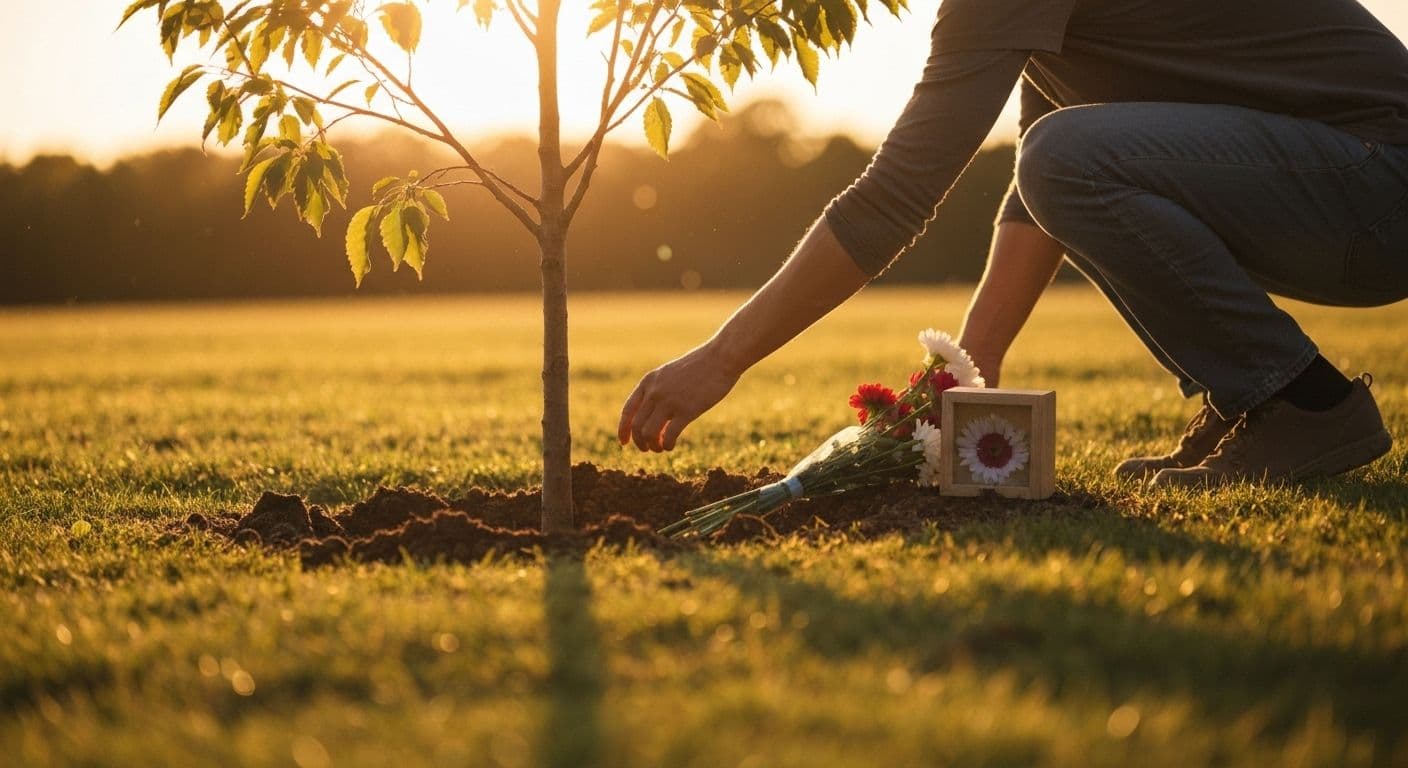
Many people find solace in nature-based tributes that create living memorials. Planting a tree in their favorite outdoor space gives you a physical place to visit when you need to feel close to them. Choose a species they loved or one that blooms during significant dates. Visiting meaningful locations—the beach where you spent summers together, the hiking trail you conquered as kids—transforms ordinary places into sacred spaces for reflection.
Some choose to release biodegradable lanterns or scatter wildflower seeds in places your sibling cherished. These acts of remembrance connect their memory to the natural world's cycles of growth and renewal, offering comfort through symbolism that feels less rigid than cemetery visits.
Sensory Memory Connections
Our senses hold powerful keys to memory. Creating a playlist of songs that remind you of your sibling—whether they're songs you sang together during road trips or music they introduced you to—gives you an instant connection when you need it. Wearing their favorite jacket or hoodie provides physical comfort while keeping their presence close. Using their signature scent, whether cologne, perfume, or even the smell of their favorite coffee, triggers memories more vividly than photographs alone.
Anniversary Traditions
Rather than dreading anniversaries, transform them into moments of connection. Cook their favorite meal on their birthday. Watch the movie they quoted endlessly. Spend the day doing activities they loved, from playing their favorite video game to visiting the bookstore where they spent hours browsing. These rituals help you process the reality of losing a sibling while celebrating the life they lived.
Digital and Creative Tributes for Losing a Sibling
Technology offers new possibilities for honoring your sibling's memory privately or selectively. Creating a private digital photo album lets you curate images that capture their authentic personality—the candid shots, the ridiculous faces, the moments that made them uniquely them. Video compilations featuring their voice, laugh, or favorite sayings preserve aspects of their presence that static photos cannot.
Digital Memorial Spaces
Online memorial platforms allow you to build spaces that feel personal rather than performative. You control who accesses these spaces and what gets shared. Some people create private Instagram accounts or Pinterest boards dedicated to their sibling, adding memories as they surface rather than forcing everything into one overwhelming memorial service.
Creative Grief Outlets
Expressing grief through creativity provides both processing and tribute. Write letters to your sibling, sharing updates they would have cared about or working through complicated feelings. Paint, draw, or create music inspired by your relationship. These creative outlets don't require artistic skill—they simply need honesty.
Transforming Belongings Into Keepsakes
Rather than boxing up their possessions, transform meaningful items into keepsakes you'll actually use. Memory quilts made from their t-shirts, jewelry crafted from their belongings, or framed collections of their artwork keep their presence integrated into your daily life rather than stored away.
Living Memorials: Honoring Your Sibling Through Meaningful Action
Perhaps the most powerful way to honor someone after losing a sibling is through living memorials—actions that extend their impact beyond their lifetime. Channel grief into causes they cared about through volunteering or donations. If they were passionate about animal welfare, environmental protection, or community service, your involvement becomes their continued legacy.
Consider continuing their unfinished projects or passions. Complete the novel they were writing, tend the garden they started, or learn the skill they were mastering. These acts of continuation keep their spirit alive through action rather than static remembrance.
Share their wisdom with others who could benefit. If your sibling taught you valuable lessons about resilience, creativity, or kindness, passing those lessons forward honors their influence on your life. This doesn't require grand gestures—small moments of sharing their perspective count.
Remember that honoring someone after losing a sibling evolves as you heal. What feels meaningful immediately after their death might shift months or years later. Trust your instincts about what feels right, and give yourself permission to change how you remember them as your grief transforms.



