


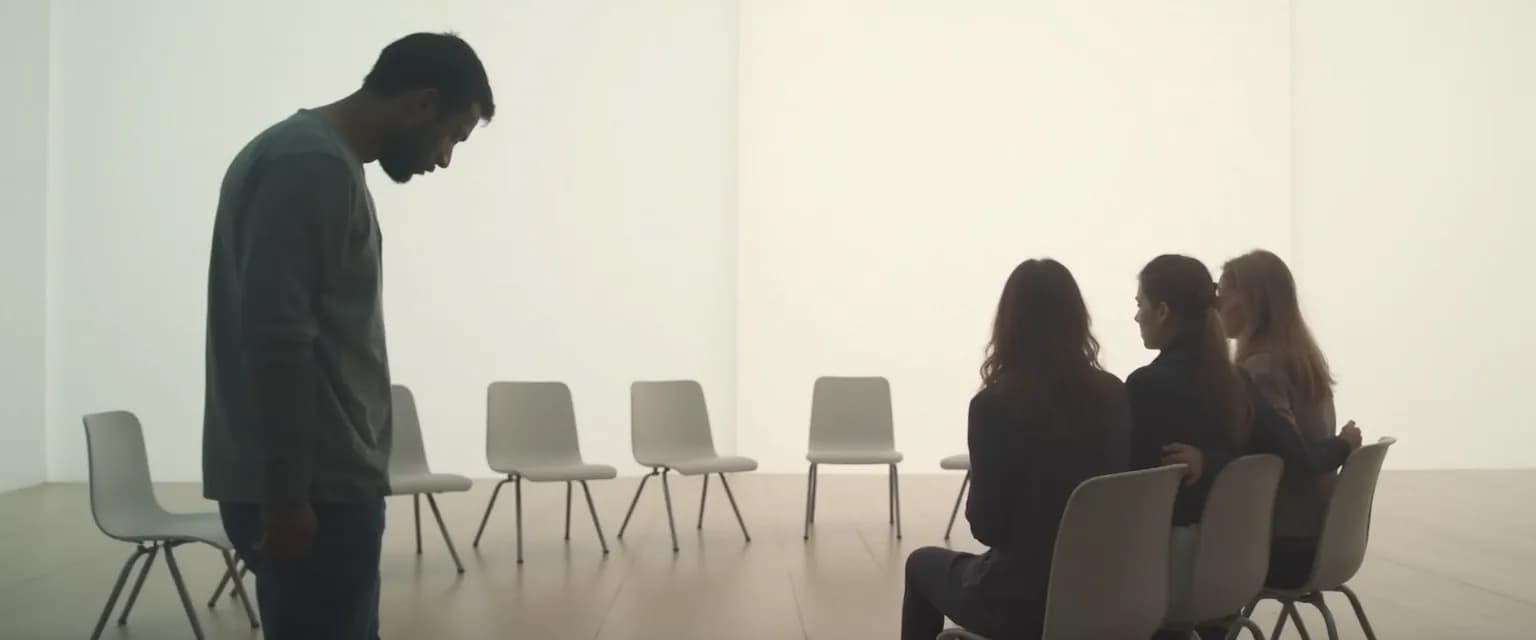
Men vs Women in GriefShare Support Groups: How Grief Expression Differs
When walking into a GriefShare support group for the first time, you might notice something interesting—men and women often process their grief quite differently. While grief itself is universal, how we express it varies widely, especially across gender lines. GriefShare support groups create safe spaces where all grieving styles are welcomed and validated, recognizing that there's no single "right way" to mourn. Understanding these differences isn't about reinforcing stereotypes but rather about enhancing our ability to support one another through the healing journey.
In effective GriefShare support group settings, facilitators recognize that gender can influence how participants engage with their grief. While individual experiences always vary, recognizing these patterns helps create environments where everyone feels their grieving style is honored. This understanding can transform the emotional healing process and make the GriefShare support group experience more meaningful for all participants.
Common Gender Patterns in GriefShare Support Group Participation
In typical GriefShare support group meetings, facilitators often observe distinct participation styles that tend to follow gender lines. Men frequently approach grief with a task-oriented mindset, focusing on problem-solving and "doing" rather than expressing emotions directly. They might engage more actively in discussions about practical matters—handling finances after loss, managing household responsibilities, or navigating legal issues—while being more reserved during emotional sharing.
Women in GriefShare support groups commonly demonstrate more comfort with emotional expressiveness, often sharing feelings openly and forming connections through their grief stories. They may cry more readily, discuss emotional struggles in detail, and verbalize their pain through storytelling. This relational approach to grief processing often makes women more visibly engaged in the emotional aspects of GriefShare support group discussions.
It's crucial to note that these patterns aren't universal rules. Many men express grief in highly emotional ways, while many women take task-oriented approaches. Research on grief expression indicates that socialization and cultural expectations play significant roles in shaping these tendencies rather than any inherent gender-based differences. The best GriefShare support group environments acknowledge these patterns while remaining flexible and responsive to individual needs.
Research from the Harvard Medical School suggests that men's grief often manifests as irritability or anger, while women may experience more depression and anxiety. These differences can influence how participants engage with stress management techniques offered within GriefShare support group curricula.
Creating Inclusive GriefShare Support Group Environments
Skilled GriefShare support group facilitators implement specific strategies to accommodate different grieving styles. They might structure sessions to include both emotional sharing and practical problem-solving components, ensuring everyone finds value regardless of their preferred grief expression. Some groups incorporate activity-based grief work alongside discussion, recognizing that many participants—particularly men—process emotions through doing rather than talking.
Effective facilitators also employ varied communication techniques that bridge gender differences in grief expression. They might validate less verbal participants through non-verbal acknowledgment, ask open-ended questions that invite different types of responses, and normalize all grief reactions. This approach helps create GriefShare support group environments where everyone feels their grief style is legitimate.
Many GriefShare support groups report success with mixed-gender breakout groups for certain topics, allowing participants to discuss grief experiences with others who might share similar processing styles. Others find that gender-specific groups for certain sessions provide unique benefits, creating spaces where participants feel less pressure to conform to perceived expectations about grief expression.
By implementing these inclusive approaches, GriefShare support group facilitators help participants develop emotional resilience strategies that honor their natural processing style while gently expanding their emotional repertoire.
Strengthening Your GriefShare Support Group Experience Across Gender Lines
To maximize your GriefShare support group experience, practice active listening when someone expresses grief differently than you do. If you're more task-oriented, be patient with emotional expressions; if you're emotionally expressive, recognize the value in practical approaches to grief. Both styles represent valid healing paths.
Consider trying grief expression methods that don't come naturally to you. Task-oriented grievers might benefit from occasional emotional sharing, while expressive grievers might find healing through action-oriented grief work. The most successful GriefShare support group participants remain open to diverse healing approaches.
Remember that gender is just one factor influencing grief expression—personality, culture, relationship to the deceased, and circumstances of the loss all shape how we grieve. The beauty of a well-facilitated GriefShare support group lies in its ability to honor this diversity while guiding everyone toward healing, regardless of how they express their grief journey.



