


Simple Grief Meditations: Creating Your Personal Practice Without Overwhelm
Navigating grief is a deeply personal journey, and finding gentle ways to process your emotions is essential. Grief meditations offer a supportive approach to honoring your feelings without becoming overwhelmed by them. Unlike traditional meditation practices that focus primarily on clearing the mind, grief meditations create space for acknowledging pain while fostering moments of peace. These specialized techniques help you connect with your emotions at a pace that feels manageable and respectful of your unique grief experience.
Research consistently shows that mindful approaches to grief can reduce the physical symptoms of stress that often accompany loss. Even brief grief meditations practiced regularly can help regulate your nervous system and create moments of calm amid emotional storms. The beauty of developing a personalized practice is that it adapts to your changing needs as you move through different phases of emotional healing.
Creating your own grief meditation practice isn't about following rigid rules—it's about discovering what brings you comfort and connection during difficult times. Let's explore how to build a practice that feels supportive rather than overwhelming.
Starting Small: Grief Meditations for Beginners
The most effective grief meditations often start with just 2-3 minutes of practice. This brief commitment feels doable even on difficult days and prevents the practice itself from becoming another source of pressure. Begin with a simple breathing technique: place one hand on your heart, the other on your belly, and take five slow breaths while acknowledging whatever emotions are present without judgment.
Another accessible entry point into grief meditations is the "one minute of presence" practice. Set a timer for 60 seconds and simply notice the physical sensations in your body. This quick check-in helps you recognize how grief manifests physically and creates a moment of mindful awareness.
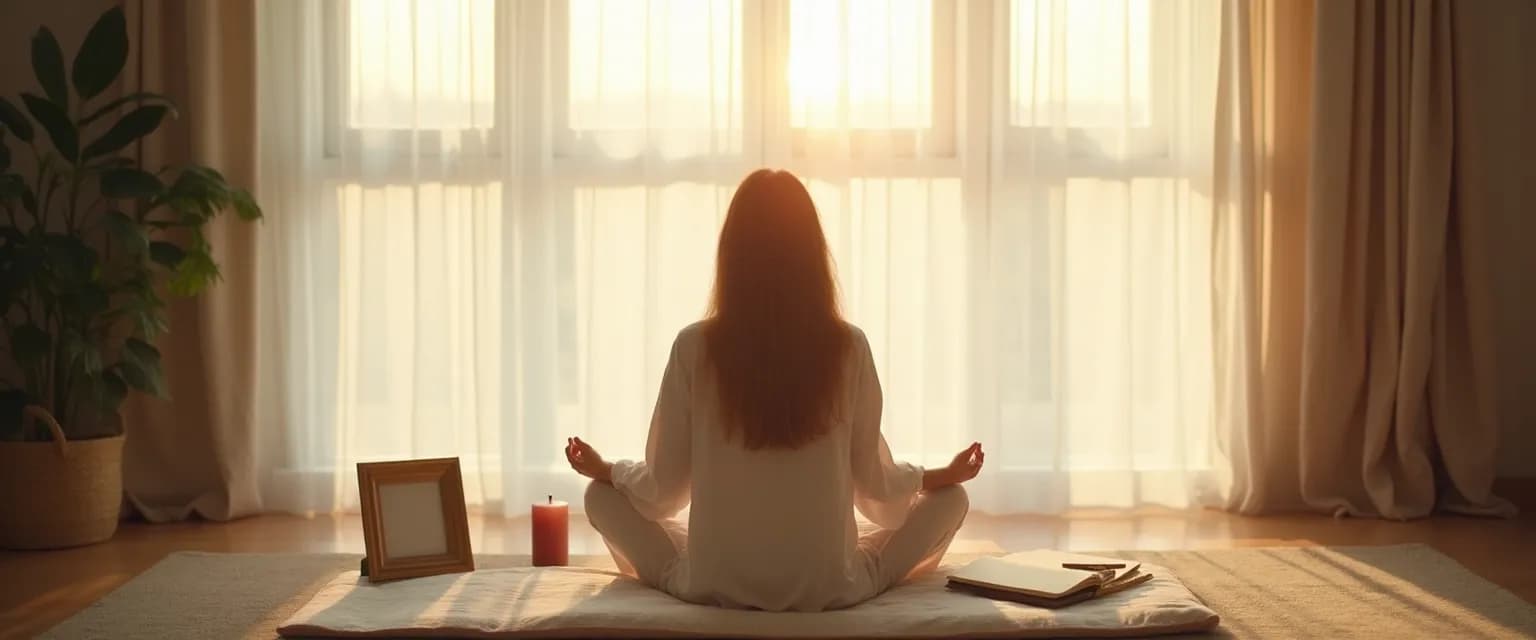
Creating a comfortable meditation space enhances the effectiveness of your grief meditations. This doesn't require elaborate preparations—simply choose a quiet corner with minimal distractions and perhaps add meaningful objects that bring comfort. Some find that a photo of their loved one, a special candle, or a soft blanket creates a sense of safety during stress reduction practices.
You'll know your grief meditations are working when you notice small shifts: perhaps a moment of ease during practice, slightly more emotional capacity afterward, or brief periods where the weight of grief feels less overwhelming. These subtle changes signal that your nervous system is responding positively to the practice.
Customizing Grief Meditations for Your Personal Experience
Different types of loss call for different approaches to grief meditations. For sudden losses, grounding practices that focus on physical sensations may provide stability. For anticipated losses, loving-kindness meditations might offer comfort. The key is experimenting gently to discover what resonates with your specific situation.
Incorporating meaningful objects into your grief meditations can deepen the practice. Some find holding a personal item of their loved one creates a sense of connection during meditation. Others prefer using symbolic objects like stones or feathers that represent aspects of their grief journey.
Finding time for grief meditations doesn't require restructuring your entire schedule. Look for natural pauses in your day—perhaps the first few minutes after waking, during a lunch break, or just before bed. The consistency of your practice matters more than its duration. Even brief, regular grief meditations build mindfulness techniques that support healing.
As your grief evolves, your meditation practice can adapt accordingly. You might begin with very structured practices that offer clear guidance, then gradually transition to more open-ended reflections as you develop greater emotional capacity.
Nurturing Your Grief Meditation Practice for Long-Term Healing
A supportive grief meditation practice often reveals itself through subtle signs: improved sleep quality, more moments of genuine presence in daily life, or increased capacity to experience joy alongside sorrow. These indicators suggest your practice is nurturing resilience.
When you're ready to deepen your practice, consider extending your meditation time by just one minute each week. This gradual approach honors your grief's timeline rather than pushing for dramatic progress. Remember that effective grief meditations create a container for your experience, not an escape from it.
Building a sustainable routine means integrating grief meditations into your life in ways that feel nourishing rather than burdensome. By approaching your practice with gentleness and flexibility, you create a powerful resource for navigating grief's changing landscape. The skills developed through regular grief meditations extend beyond processing loss—they foster emotional awareness that enriches your entire life journey.



