


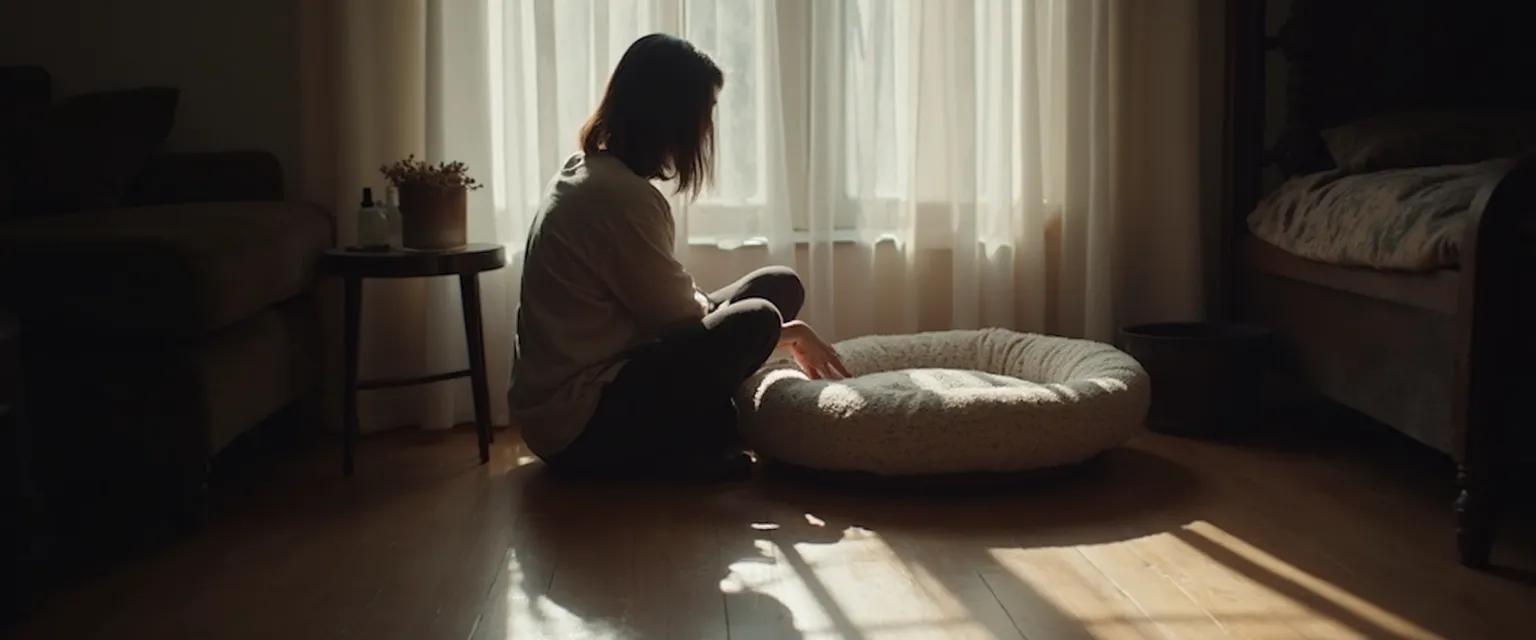
Understanding Silent Pet Grief: Why Your Loss Deserves Recognition
The loss of a furry companion leaves a unique void that can be as deep as any other significant loss. Yet pet grief often goes unacknowledged in our society, leaving many pet owners feeling isolated in their pain. This silent suffering—what psychologists call "disenfranchised grief"—occurs when your loss isn't openly validated by others, making the healing process even more challenging.
When you hear comments like "it was just a pet" or "you can always get another one," it minimizes the genuine bond you shared with your animal companion. The truth is that pet grief is real, valid, and deserves recognition. Your emotional response isn't an overreaction—it's a natural response to losing a beloved family member who provided unconditional love and emotional support every day.
Understanding how to navigate pet grief without apology is essential for your emotional wellbeing. This article explores why pet loss often goes unrecognized, provides validation techniques that actually work, and offers guidance on honoring your feelings throughout your healing journey.
Why Pet Grief Often Goes Unrecognized (And Why It Shouldn't)
Society has long maintained an invisible hierarchy of grief, with pet loss typically ranked lower than human relationships. This cultural attitude persists despite scientific evidence confirming the depth of human-animal bonds. Research shows that the grief response when losing a pet can be just as intense as losing a human family member—sometimes even more so due to the unique nature of pet relationships.
The science explains why: pets provide consistent companionship, unconditional positive regard, and daily routine—all key elements for emotional stability. Your pet never judged you, held grudges, or had complicated expectations. This pure connection creates a powerful bond that, when broken, triggers genuine grief responses in your brain's emotional centers.
When others dismiss your pet grief with comments like "you'll get over it" or "it's not like losing a person," they're not only invalidating your experience but potentially complicating your healing process. Studies show that emotional growth requires acknowledgment, not suppression.
What makes pet grief particularly challenging is its unacknowledged nature. Without cultural rituals, time off work, or social support systems typically available for other losses, pet owners often navigate their grief journey alone. This isolation can extend the healing process and intensify feelings of sadness, guilt, and even shame for "overreacting."
Healing Through Pet Grief: Validation Techniques That Work
Acknowledging your pet grief starts with giving yourself permission to feel without judgment. Remember that your feelings aren't disproportionate—they're appropriate to the significant relationship you've lost. Instead of questioning your emotions, try these validation techniques:
- Create a small memorial space with your pet's photo and perhaps a favorite toy
- Hold a simple ceremony to honor your pet's life and what they meant to you
- Share memories with understanding friends who respect your pet grief
- Write a letter to your pet expressing what they meant to you
When faced with dismissive comments about your pet grief, respond with gentle education: "My pet was family to me, and I'm giving myself space to honor that relationship." This approach acknowledges your feelings while setting boundaries around how others respond to your loss.
Small daily practices also help process pet grief emotions. Taking micro-pauses throughout your day to breathe and acknowledge moments of sadness prevents emotional buildup. Remember that healing isn't linear—some days will be easier than others, and that's completely normal in the pet grief journey.
Moving Forward With Your Pet Grief Journey
The path through pet grief becomes smoother when you acknowledge your feelings rather than fighting them. By recognizing your loss as legitimate, you create space for authentic healing rather than forcing yourself to "just move on." This honest approach leads to healthier emotional processing and prevents unresolved feelings from lingering.
Consider connecting with others who understand pet grief through online communities or local pet bereavement groups. Sharing experiences with those who "get it" provides validation that may be missing from your usual social circles.
Remember that pet grief has no standard timeline. Your healing journey is uniquely yours. The bond you shared with your pet deserves to be honored, and the grief you feel deserves recognition. By embracing this truth, you transform pet grief from a solitary struggle into a meaningful passage that honors the love you shared with your special companion.



