


What to Say to a Bereaved Friend: Creating a Meaningful Memory Box
Finding the right words to say to a bereaved friend is one of life's most challenging moments. When someone you care about is navigating the choppy waters of grief, traditional expressions of sympathy sometimes fall short. That's where a memory box comes in—a tangible alternative that speaks volumes when words seem inadequate. This thoughtful gift provides a physical space for preserving precious memories and offers your bereaved friend something they can turn to whenever they need comfort. Unlike verbal condolences that may be forgotten, a memory box creates a lasting connection that allows your friend to process their grief at their own pace, offering emotional support techniques through meaningful objects rather than words alone.
Creating a memory box isn't just about collecting items—it's about curating experiences, emotions, and moments that honor the person who has passed. When you're unsure what to say to a bereaved friend, this personalized gift communicates your support in a profound way that often resonates more deeply than spoken sympathy.
What to Say to a Bereaved Friend Through Meaningful Memory Box Items
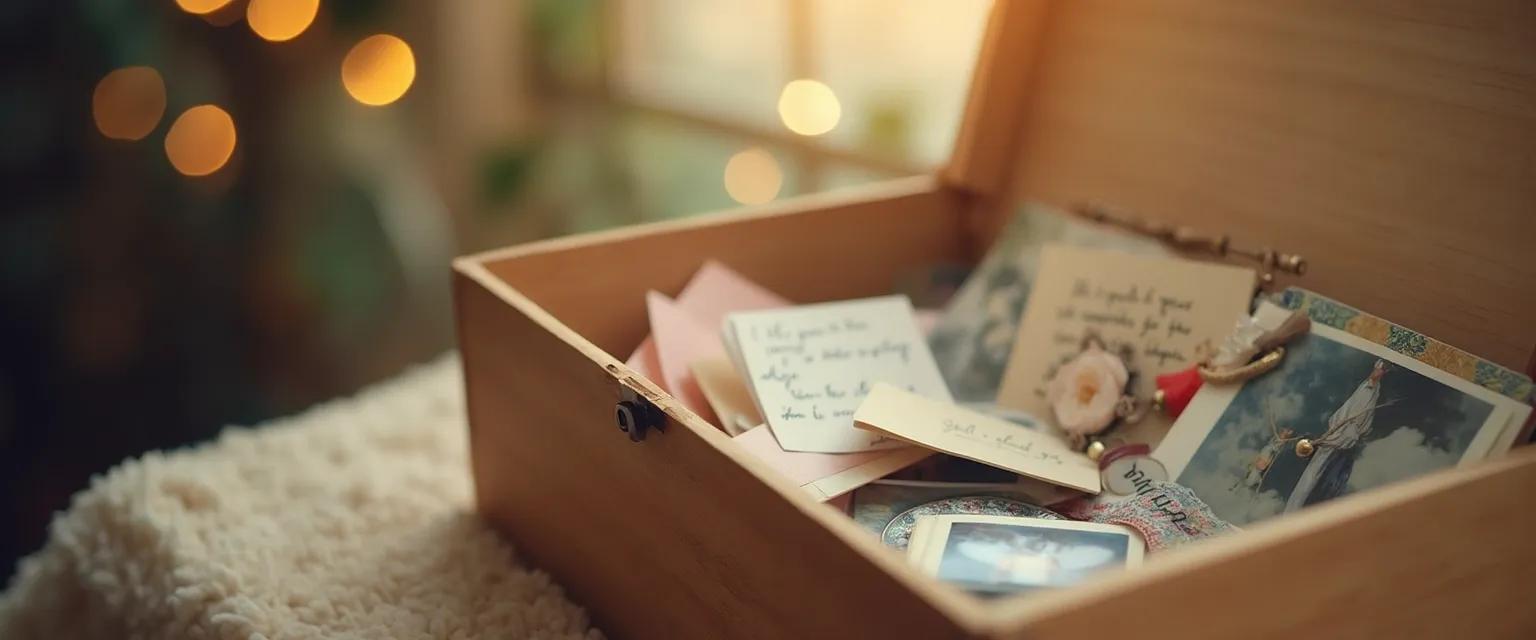
The items you choose for a memory box should tell a story about the person who has passed while providing comfort to your bereaved friend. Start with photographs that capture joyful moments—candid shots often evoke stronger emotional connections than posed portraits. Include 5-7 varied images that showcase different aspects of the person's life and relationships.
Handwritten notes serve as powerful additions when considering what to say to a bereaved friend. Rather than generic sympathy messages, share specific memories: "I'll never forget how John's laugh would fill the entire room" or "The way Sarah always remembered everyone's birthdays made us all feel special." These personal recollections validate the impact their loved one had on the world.
Selecting Sensory Elements
Grief engages all senses, so include items that create multisensory connections. A small vial of the person's favorite perfume or cologne, a recording of their voice (perhaps from a voicemail), or a piece of fabric from a meaningful garment can trigger powerful emotional responses. These sensory elements offer mindfulness techniques that ground your bereaved friend in their memories.
The box itself should reflect thoughtful consideration. Whether you choose a wooden keepsake box, a decorated shoebox, or a vintage container, personalize it with elements that honor the deceased—perhaps their favorite color, a quote they loved, or symbols representing their interests. The exterior sets the tone for the treasures within and shows the care you've invested in creating this gift.
Writing Supportive Messages
Include a letter explaining the significance of each item you've selected. This provides context and shows the intention behind your gift. When thinking about what to say to a bereaved friend in this letter, be authentic rather than philosophical. Simple statements like "I hope these memories bring you comfort when grief feels overwhelming" acknowledge their pain without minimizing it.
Timing and Presentation: When to Give Your Bereaved Friend a Memory Box
Timing matters when presenting a memory box. The immediate aftermath of a loss can be overwhelming, with your bereaved friend potentially receiving many gifts and condolences. Consider waiting 2-4 weeks after the funeral when the initial wave of support typically diminishes, and reality begins to settle in. Alternatively, marking a significant date—like the deceased's birthday or a month anniversary—can make your gift especially meaningful.
When you present the memory box, keep your explanation simple and heartfelt. You might say, "I wanted to create something that honors [name] and the joy they brought to our lives. Each item inside represents a special memory." This approach demonstrates that you've put thought into what to say to a bereaved friend through both words and actions.
Be prepared for emotional reactions. Your friend might want to explore the contents immediately or might need to set it aside for when they feel stronger. Either response is valid. Offer to sit with them as they open it, but respect their preference if they wish to experience it privately.
Remember that grief isn't linear—your bereaved friend will have good days and difficult ones. A memory box provides ongoing support by being available whenever they need to feel connected to their loved one. Follow up occasionally with supportive check-ins, perhaps referencing a specific memory you included in the box.
Creating a memory box offers a profound alternative when you're struggling with what to say to a bereaved friend. It acknowledges that while words may fail, memories endure. This tangible expression of support speaks the language of compassion, providing comfort long after verbal condolences have faded. By thoughtfully selecting items that honor the deceased and presenting them with sensitivity, you're offering not just a gift, but a treasure chest of remembrance that your bereaved friend can turn to whenever their heart needs healing.



