


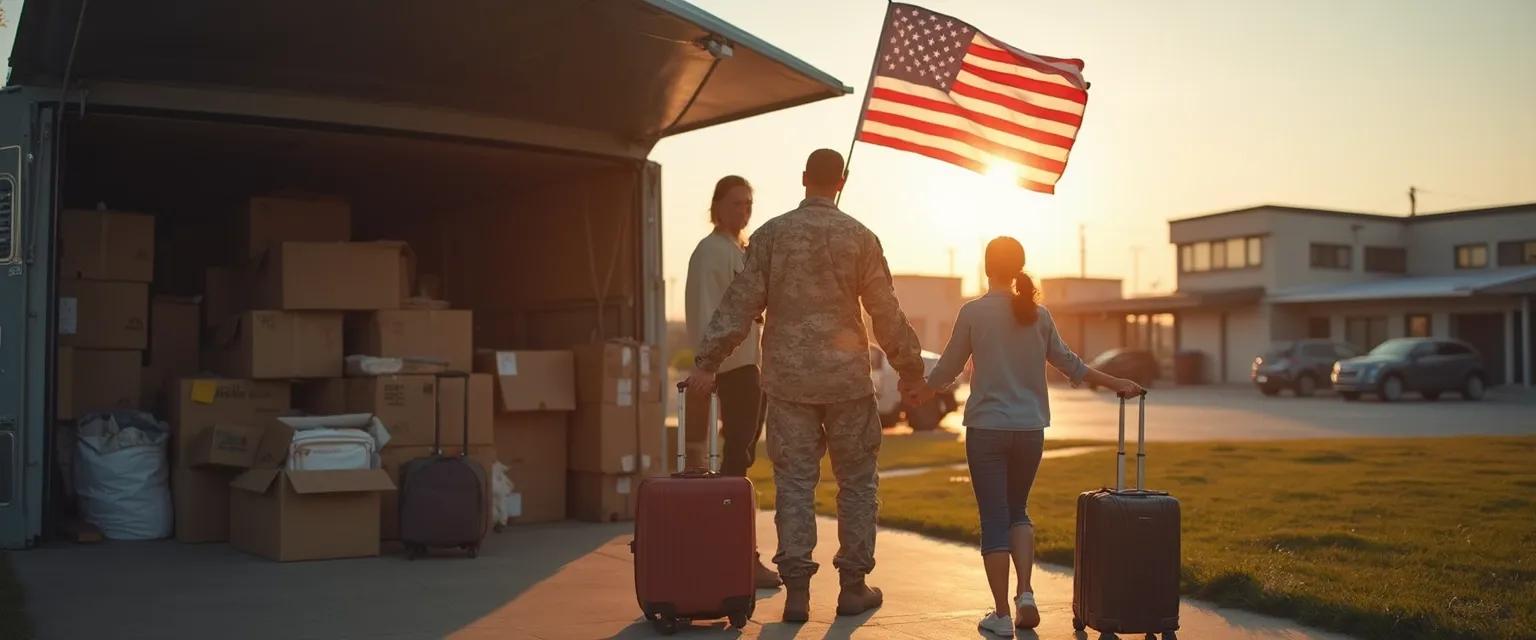
What to Say to Someone Who Lost Their Home During Military Relocation
Finding the right what to say to someone who lost their home during military relocations can be challenging. When military families face the upheaval of forced moves and home loss, traditional comfort phrases often fall short. These families experience a unique form of displacement—one tied to their service and sacrifice for the country. Understanding how to provide meaningful support requires recognizing the complex emotions that come with losing not just a physical space, but often a sense of community and stability that military families work hard to establish between deployments and reassignments.
The impact of home loss during military relocations goes beyond the practical challenges of moving. For service members and their families, a home represents a rare constant in an otherwise transient lifestyle. When they're forced to leave due to base closures or reassignments, knowing effective stress management techniques becomes essential for both those affected and those wanting to support them. The right words acknowledge both their sacrifice and the emotional toll of these transitions.
Military families often hesitate to express their grief over home loss, feeling they should simply accept it as part of military life. This makes thoughtful, empathetic responses even more valuable when learning what to say to someone who lost their sense of place and community.
Supportive Phrases: What to Say to Someone Who Lost Their Home in Military Moves
Finding the perfect what to say to someone who lost their home requires balancing acknowledgment of their sacrifice with validation of their feelings. Start by recognizing the unique nature of military service: "Your family's commitment goes far beyond deployment—I recognize the personal sacrifices you make with each move." This acknowledges that their relocation isn't simply a career choice but part of their service to the country.
When crafting what to say to someone who lost their home due to military orders, validate their emotional experience: "It's completely natural to grieve the loss of your home and the community you've built here." This permission to feel loss is particularly important in military culture, where stoicism is often expected. By acknowledging their feelings as legitimate, you create space for healthy emotional processing.
Offer specific, actionable support rather than vague promises: "I'd like to help with packing your kitchen this weekend" or "I can watch the kids next Tuesday while you handle paperwork." These concrete offers make it easier for military families to accept help during overwhelming transitions.
Show understanding of military life's unique challenges: "I know this move wasn't your choice, and that makes it especially difficult." This recognition that the relocation was mandated rather than chosen acknowledges the lack of control that often accompanies military life decisions.
Remember that what to say to someone who lost their home should never minimize their experience: "At least the military is paying for the move" or "You're used to moving by now" can feel dismissive rather than supportive.
Practical Ways to Help When Someone Has Lost Their Home to Military Relocation
Beyond knowing what to say to someone who lost their home, practical support makes a tremendous difference. Create transition care packages with essentials like gift cards to restaurants near their new location, cleaning supplies, or comfort items that make temporary housing feel more like home. These thoughtful gestures acknowledge the immediate needs during the in-between phase of relocation.
Help research their new location and connect them with resources. Compile information about the best neighborhoods near their new base, school options, or recreational activities that match their family's interests. This proactive support helps military families rebuild their sense of community more quickly after relocation.
Organize community support through meal trains, moving assistance, or childcare sharing. Military families often relocate away from extended family support systems, making community assistance especially valuable during transitions. Coordinating these efforts reduces the logistical burden on already-stressed families.
Stay connected after the move through regular check-ins and virtual gatherings. Maintaining relationships across distances helps combat the isolation that often follows relocation and provides emotional continuity during transitions. This ongoing connection reminds them that they haven't lost everything from their previous location.
Understanding what to say to someone who lost their home during military relocation means acknowledging both the practical and emotional dimensions of their experience. By offering specific support, validating their feelings, and maintaining connections, you provide meaningful comfort during one of military life's most challenging transitions.



