


Why Delayed Grief Symptoms Show Up During Happy Moments | Grief
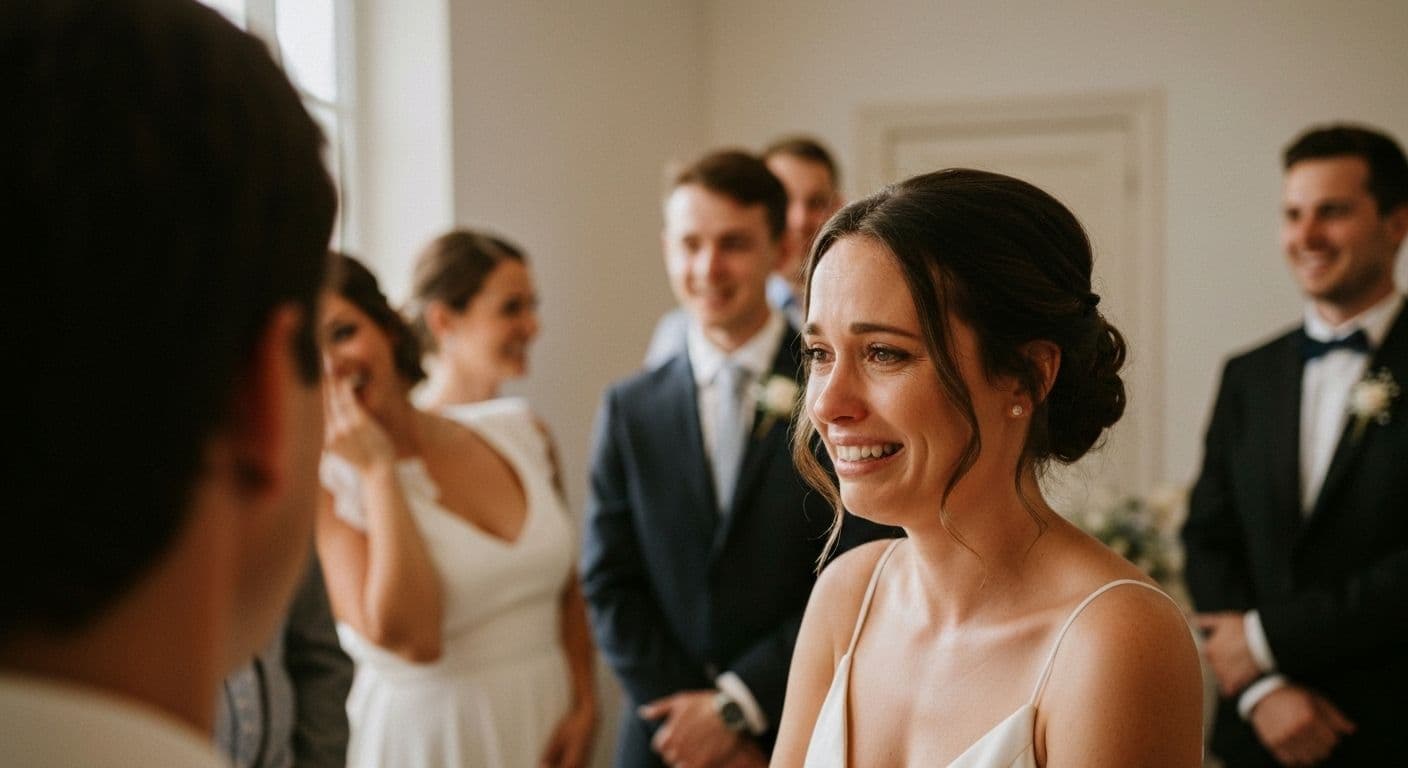
You're at your best friend's wedding, champagne in hand, watching the couple's first dance. The room is filled with laughter and joy. Then, out of nowhere, tears stream down your face—not happy tears, but deep, aching grief for someone who isn't here to share this moment. If you've experienced this confusing collision of happiness and heartache, you're not alone. Delayed grief symptoms often surface during our most joyful moments, catching us completely off guard.
This paradox isn't a sign that something's wrong with you or that you're not healing properly. It's actually your brain's sophisticated way of processing loss when it finally feels safe enough to do so. Understanding why grief during happy moments happens—and learning practical ways to navigate these unexpected waves—can transform how you experience both joy and sorrow.
The truth is, delayed grief symptoms follow predictable patterns rooted in neuroscience. These emotional waves aren't random interruptions; they're your brain's way of completing unfinished emotional business. Let's explore why this happens and what you can actually do about it.
The Brain Science Behind Delayed Grief Symptoms in Positive Moments
When you first experience loss, your brain prioritizes survival. It activates a protective shutdown response, suppressing intense emotions so you can function through the immediate crisis. This emotional suppression isn't weakness—it's your nervous system's brilliant defense mechanism. Your brain essentially says, "We'll process this later when we have the resources."
Here's where it gets fascinating: safety and joy signal your brain that "later" has arrived. When you're celebrating a promotion, falling in love, or enjoying a milestone birthday, your cortisol levels drop. Your nervous system relaxes. This is precisely when your brain decides it's finally safe to process delayed grief symptoms that were shelved during survival mode.
There's also something called "emotional contrast" at play. Happiness creates a stark backdrop against which grief becomes more noticeable. Think of it like stars—you can't see them during the day, but they're always there. Darkness makes them visible. Similarly, joy can make grief more apparent, not because you're doing anything wrong, but because brain processing grief requires this kind of mental flexibility.
Celebrations also trigger what psychologists call the "absence phenomenon." During important moments—weddings, graduations, new jobs—your brain automatically scans for the people who should be there. When it registers who's missing, delayed grief symptoms surface. This isn't your mind sabotaging your happiness; it's completing a natural inventory of your emotional landscape.
Recognizing When Delayed Grief Symptoms Are Showing Up
Signs of delayed grief during celebrations can be subtle or overwhelming. You might experience sudden tears during toasts, an unexpected tightness in your chest during family photos, or a wave of sadness when everyone's laughing. Some people describe feeling guilty about happiness, as if joy somehow betrays the person they've lost.
Physical signs of surfacing grief often accompany these emotional waves. You might notice your throat constricting, your stomach dropping, or a heaviness settling over you—even while surrounded by celebration. These physical manifestations are your body's way of processing what your mind has been holding back.
The "should be here" phenomenon is particularly common during milestones. Recognizing grief patterns means understanding that this isn't general sadness or anxiety—it's a specific longing for someone's presence in a moment that feels incomplete without them. You might find yourself mentally narrating the event to them or imagining their reactions.
Many people feel confused by these grief during celebrations experiences. "Why now?" you might wonder. "Why when everything's going so well?" This confusion is normal. Your brain doesn't schedule grief for convenient moments. It processes emotions when it has the bandwidth to do so, which often happens during positive experiences when your defenses are down.
Practical Techniques to Navigate Delayed Grief Symptoms Without Guilt
The most powerful grief coping techniques start with what I call the "Both-And" approach. You can hold joy and grief simultaneously without either emotion canceling out the other. This isn't about choosing between happiness and sadness—it's about honoring both as they coexist. Tell yourself: "I can feel grateful for this moment AND miss the person who isn't here."
When navigating unexpected grief in real-time, try the 5-4-3-2-1 grounding technique. Identify five things you see, four you can touch, three you hear, two you smell, and one you taste. This anchors you in the present moment without suppressing the emotion. It gives your nervous system a brief reset while acknowledging what you're feeling.
The "acknowledgment pause" is another practical tool for managing grief during celebrations. When delayed grief symptoms surface, take 30 seconds to internally acknowledge the feeling: "I'm noticing grief right now. That makes sense." This brief recognition often prevents the emotion from overwhelming the entire experience. You're not pushing it away or drowning in it—you're giving it a moment of respect.
Creating small rituals helps integrate absence into presence. Light a candle before the celebration, wear something meaningful, or share a brief story about the person you're missing. These small actions honor your loss without letting it consume your joy.
Remember this: experiencing delayed grief symptoms during happy moments doesn't diminish your joy or dishonor your loss. It actually demonstrates emotional intelligence and deep capacity for love. You're not broken—you're human, and you're healing in exactly the way your brain needs you to.



