


Why Do We Grieve? How Children Express Grief Through Play | Grief
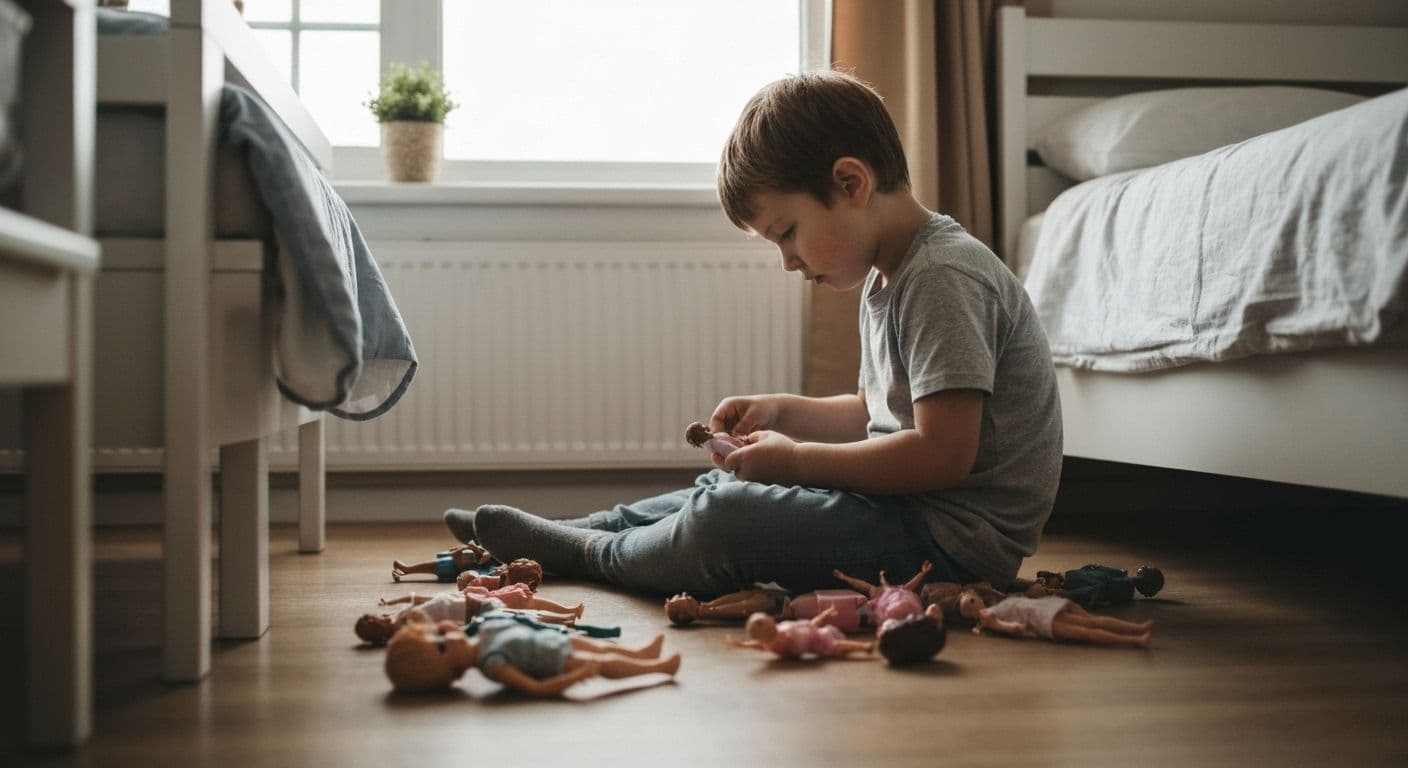
Picture this: Your five-year-old lines up stuffed animals in neat rows, places one in a shoebox, and announces a "ceremony" complete with flowers and quiet singing. Your first instinct might be confusion or concern, but here's what's actually happening—your child is processing grief through their most natural language: play. Understanding why we grieve helps us recognize these moments not as worrisome behaviors, but as healthy emotional processing in action.
Children aged 3-10 express grief differently than adults because their brains are still developing the capacity for complex emotional vocabulary. When loss enters their world—whether through death, divorce, or major life changes—they turn to play as their primary communication tool. Recognizing these five specific play behaviors transforms how you support your child through difficult times, helping them develop healthy emotional processing skills that last a lifetime.
Why Do We Grieve and How Children Show It Differently
We grieve because our brains are wired for attachment. When we lose someone or something significant, our emotional systems respond with grief—a biological process that helps us adjust to change and maintain our social bonds. This fundamental answer to why we grieve applies to everyone, but children process these emotions through vastly different channels than adults.
Between ages 3-10, children lack the neurological development and vocabulary to articulate complex feelings like "I miss Grandma" or "I feel scared about what death means." Their prefrontal cortex—the brain region responsible for emotional regulation and verbal expression—is still forming. Instead, they communicate through what they know best: play scenarios, imaginative worlds, and physical actions.
Play becomes their therapeutic outlet, their processing laboratory, and their way of making sense of confusing emotions. When we understand why we grieve at a biological level, we can better recognize when children are working through these same processes, just in their own developmental language. This insight shifts everything about how we respond to their behaviors.
5 Play Behaviors That Reveal Why We Grieve at Every Age
Recognizing grief-related play patterns helps you support your child without forcing uncomfortable conversations. Here are five behaviors that signal healthy emotional processing:
Repetitive Reenactment Play
Children aged 3-5 might repeatedly act out goodbye scenes or funeral rituals with toys. Six to ten-year-olds create more elaborate narratives—building hospitals, staging rescue missions that fail, or playing "last day" scenarios. This repetition helps them gain control over overwhelming experiences, answering why we grieve by working through confusion in manageable doses.
Regression to Younger Play Patterns
A seven-year-old suddenly talking in baby voices or clutching a long-forgotten comfort toy isn't "going backwards." They're seeking safety during emotional upheaval. This temporary regression represents their brain's attempt to return to a time when they felt more secure, demonstrating how understanding why we grieve includes recognizing our need for comfort.
Aggressive or Destructive Play Themes
Crashes, explosions, breaking things apart, and "destroying" scenarios often emerge after loss. This isn't concerning violence—it's externalization of internal chaos. Children use these themes to express feelings they can't name, exploring healthy ways to release frustration through symbolic play.
Role Reversal Play
When children become the caregiver, doctor, or healer in their play, they're processing powerlessness. Playing the "fixer" or "protector" helps them reclaim agency in situations where they felt helpless, directly addressing why we grieve by confronting feelings of vulnerability.
Withdrawal from Previously Enjoyed Activities
A child who stops playing with friends or loses interest in favorite games may be overwhelmed by grief. This withdrawal isn't the play itself—it's the absence of play, signaling they need support reconnecting with joy while processing loss.
Supporting Your Child's Grief: Understanding Why We Grieve Leads to Better Responses
When you notice these grief-related play behaviors, your response matters more than your words. Simply being present while they play creates safety. Narrate what you observe without judgment: "I notice you're having the teddy bears say goodbye." This validates their process without demanding explanation.
Age-appropriate activities that support healthy grief processing include providing open-ended materials like art supplies, building blocks, and dress-up clothes. For 3-5 year-olds, focus on sensory play—sand, water, playdough—that soothes while processing. Six to ten-year-olds benefit from structured activities with breaks that let them control the narrative through storytelling or creative projects.
What not to do: Never interrupt grief play by saying "that's too sad" or "let's do something happy instead." Don't demand they talk about feelings or dismiss behaviors as "just playing." Avoid forcing conversations before they're ready.
Grief play becomes concerning when it's exclusively violent, shows no variation over months, or interferes with daily functioning. Healthy processing includes moments of joy mixed with sadness, gradual evolution of themes, and eventual return to balanced play.
Ready to create space for your child's grief journey? Start by observing without intervening, trusting that play is their natural path toward healing. Understanding why we grieve—and how children uniquely express it—empowers you to support them through life's most challenging transitions with confidence and compassion.



