


Why Do We Grieve? How Grief Strengthens Emotional Resilience | Grief
Grief hits hard—your chest tightens, your mind races, and everything feels heavy. But here's what most people don't realize: while you're experiencing that pain, your brain is actually undergoing a remarkable transformation. Understanding why we grieve reveals something surprising: this emotional process isn't just about suffering through loss. It's your brain's sophisticated way of upgrading its emotional processing capabilities. Rather than viewing grief as something to rush through or suppress, recognizing why we grieve helps you embrace it as a powerful mechanism that strengthens emotional resilience and expands your capacity to navigate complex feelings.
The common narrative suggests grief is purely negative—something to "get over" as quickly as possible. But neuroscience tells a different story. When we ask why do we grieve, the answer lies in how this process fundamentally rewires your emotional intelligence. Your brain isn't broken during grief; it's building new pathways that will serve you for years to come. This article explores the science behind grief's unexpected benefits and how understanding this process transforms your relationship with difficult emotions.
Why Do We Grieve: Your Brain's Emotional Upgrade System
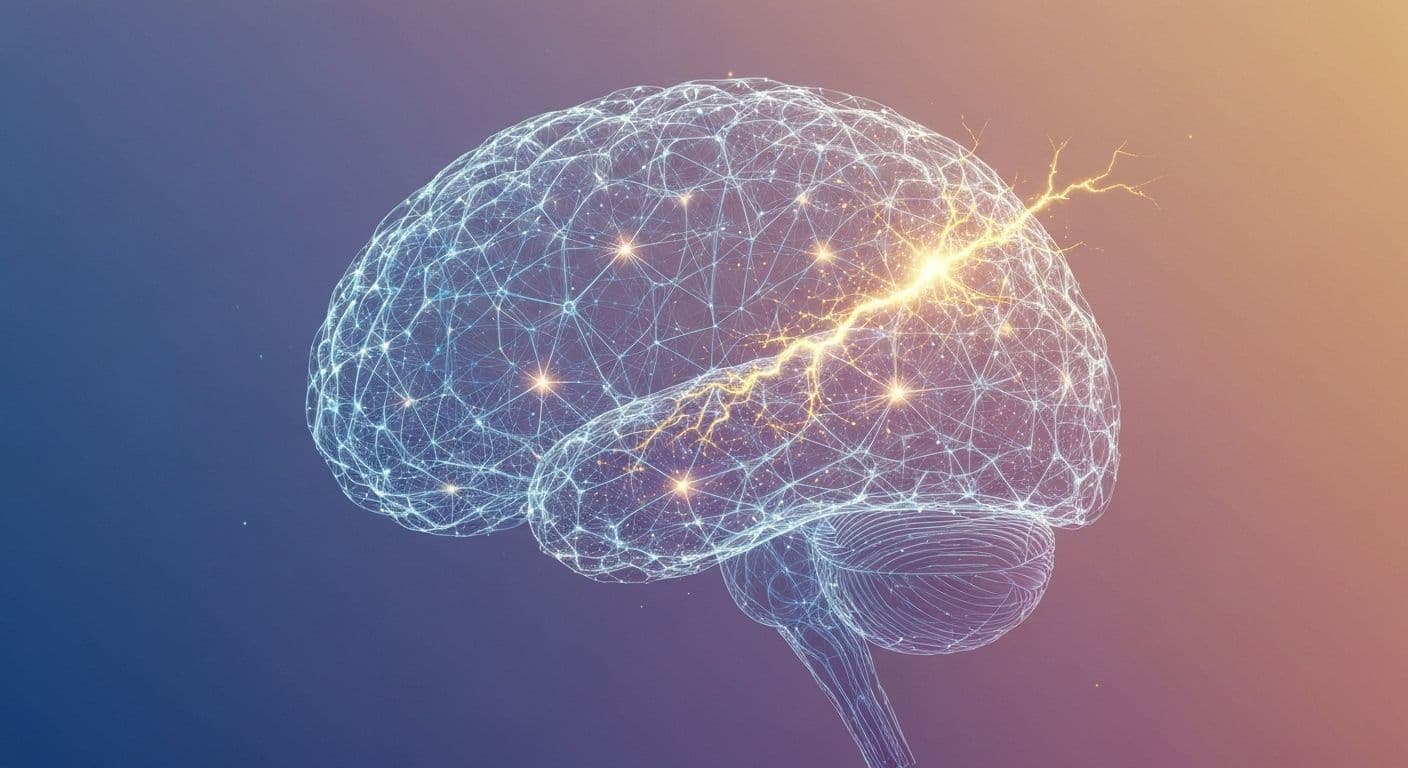
So why do we grieve from a neurological perspective? The answer is fascinating. Grief simultaneously activates multiple brain regions—your prefrontal cortex (responsible for complex thinking), limbic system (emotion processing), and reward centers. This coordinated activation creates something remarkable: new neural pathways that enhance your emotional sophistication.
Why we grieve is fundamentally tied to your attachment systems. When you lose someone or something important, your brain doesn't just process the absence—it refines how you'll form future emotional connections. Think of it as your brain running an intensive analysis: "This mattered deeply. Let's understand why and integrate these insights." This isn't busywork; it's your brain building emotional complexity.
The process forces you to hold contradictory emotions simultaneously—love and loss, gratitude and sadness, connection and separation. This mental flexibility workout is precisely what builds psychological flexibility. Research in neuroplasticity shows that grieving individuals develop stronger emotional regulation capabilities over time compared to those who suppress or avoid the process.
Your brain essentially learns to handle more emotional nuance. Before grief, you might have experienced emotions in simpler terms. After moving through grief, you develop the capacity to recognize subtle emotional shades—the difference between disappointment and disillusionment, between longing and nostalgia. This enhanced emotional vocabulary becomes a permanent part of your cognitive toolkit.
Why We Grieve: Building Empathy Through Shared Human Experience
Another crucial aspect of why we grieve relates to empathy development. Once you've walked through the fire of loss, you fundamentally understand others' emotional experiences in a deeper way. This isn't abstract knowledge—it's embodied wisdom that changes how you relate to people.
Why do we grieve in a social context? Because humans are inherently social creatures, and shared vulnerability creates stronger bonds. When you've experienced grief, you recognize it in others immediately. Your mirror neurons—brain cells that activate both when you experience something and when you observe others experiencing it—become more finely tuned. This enhanced neural activity makes you more attuned to subtle emotional cues in others.
Grief teaches emotional literacy in ways nothing else does. You learn to identify and name complex feelings you might never have encountered otherwise. This expanded emotional vocabulary doesn't just help you understand yourself; it helps you connect with others experiencing similar challenges. The empathy boost isn't temporary—it becomes integrated into your emotional skill set, much like mindfulness practices that permanently shift how you process experiences.
Why We Grieve: Preparing Your Brain for Future Challenges
Understanding why we grieve reframes the entire experience. Rather than viewing it as purely painful, you recognize it as preparation. Each grief experience builds your emotional toolkit—think of it as strength training for your feelings. The resilience you develop doesn't just apply to future losses; it transfers to stress management, relationship conflicts, uncertainty, and major life transitions.
Ready to notice how grief has made you more emotionally capable? Pay attention to moments when you handle difficult situations with more grace than you would have before. That's your upgraded emotional processing system at work. The question "why do we grieve" ultimately has a hopeful answer: we grieve because we're built to grow through difficulty, to transform pain into wisdom, and to become more resilient versions of ourselves.
This growth-oriented perspective on grief doesn't minimize the pain—it honors it by recognizing its purpose. When you understand why do we grieve, you can move through the process with more self-compassion and less resistance. Ready to explore more ways your emotions serve you? Ahead offers science-backed tools for emotional growth that help you harness your brain's natural capacity for resilience.



