


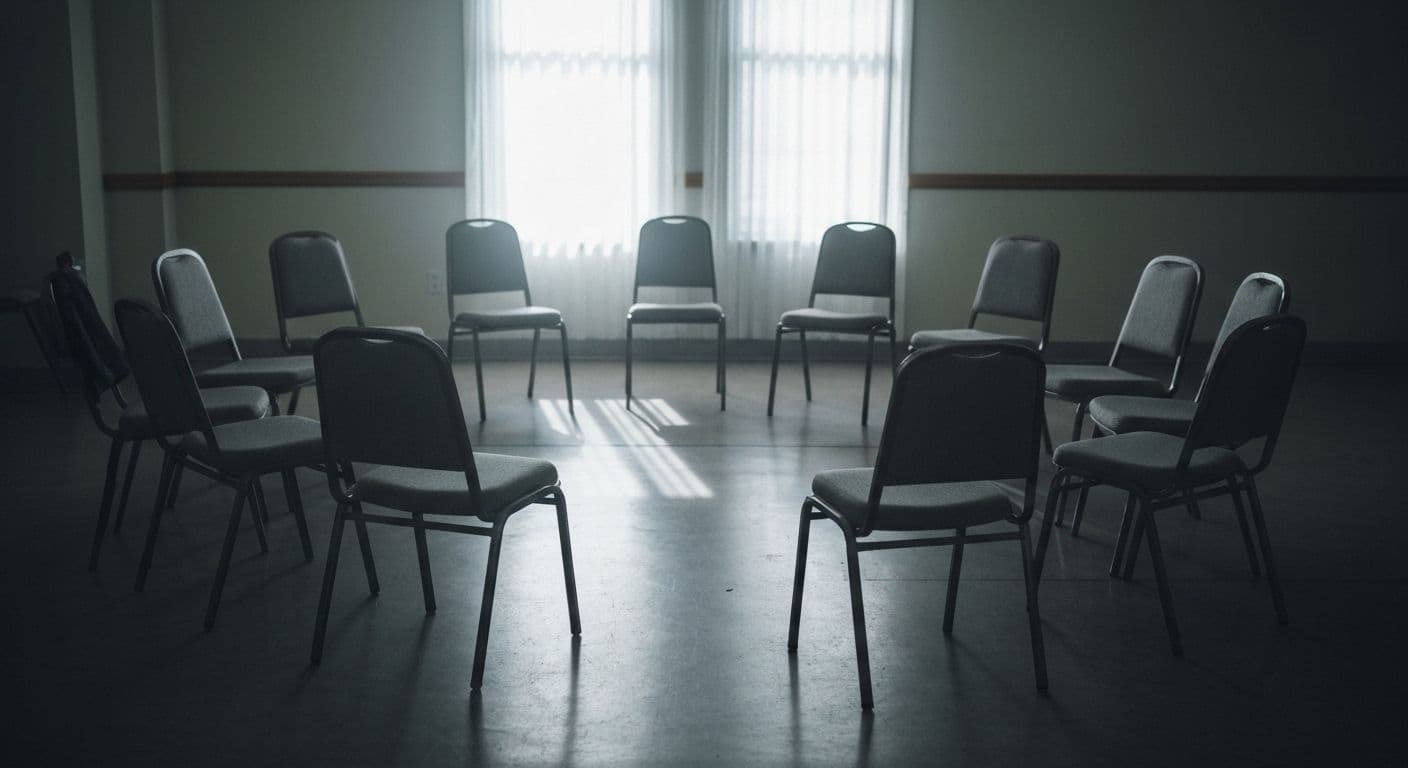
Why Grief Groups Fail: 5 Red Flags to Watch for Before You Join
Finding support during grief is tough enough without wasting your emotional energy on grief groups that don't actually help. You might think any gathering of people who've experienced loss would provide comfort, but the reality is far more complicated. Some grief groups create more harm than healing, leaving participants feeling worse than when they started. Before you commit your time and vulnerable emotions to any group, knowing what separates helpful communities from damaging ones makes all the difference.
The truth is, not all grief groups are created equal. While quality support can provide genuine comfort and practical coping strategies, poorly run groups can leave you feeling isolated, misunderstood, or even retraumatized. This guide helps you spot the warning signs before you invest your precious emotional resources. Understanding these red flags protects you from setbacks and points you toward support that actually works.
Let's explore the five critical warning signs that indicate a grief group might do more harm than good, plus what to look for instead.
Missing Structure in Grief Groups Creates Chaos
The first major red flag is a complete lack of structure. Effective grief groups follow a clear format with defined start times, end times, and a predictable flow. When groups operate without boundaries, sessions can spiral into unproductive venting sessions that leave everyone emotionally drained.
Watch for these specific signs of structural problems:
- Sessions that consistently run over time without clear endpoints
- No agenda or focus for meetings
- Participants dominating conversations while others never get to share
- Meetings that feel chaotic or unpredictable
Quality grief groups maintain gentle structure while allowing authentic expression. They balance flexibility with clear guidelines that help everyone feel safe and heard. If you're looking for strategies for managing overwhelming emotions, structured environments provide the foundation you need.
Untrained Facilitators Running Grief Groups
Your second warning sign involves facilitator credentials. While peer-led groups have value, the facilitator should have specific training in grief support and group dynamics. Someone who's simply experienced loss themselves doesn't automatically know how to guide others through it safely.
Ask about the facilitator's background before joining. Trained professionals understand how to manage difficult emotions, prevent harmful group dynamics, and provide evidence-based coping techniques. They recognize when someone needs additional support beyond what the group offers.
Untrained facilitators might inadvertently allow toxic dynamics to develop or miss signs that someone is struggling dangerously. This isn't about gatekeeping—it's about ensuring you receive competent support during a vulnerable time.
Best Grief Groups Avoid Toxic Comparison Culture
Red flag number three appears when groups fall into comparison traps. You'll hear phrases like "at least you didn't lose a child" or "my grief is worse because..." These comparisons create hierarchy and invalidate people's experiences.
Healthy grief groups recognize that loss is not a competition. Each person's pain deserves acknowledgment without ranking or comparison. When groups allow this behavior, members start minimizing their own feelings or feeling guilty for grieving "less significant" losses.
Quality facilitators shut down comparisons immediately and remind everyone that grief is deeply personal. Just as reframing obstacles helps with personal growth, reframing grief as individual rather than comparative creates healthier group dynamics.
Effective Grief Groups Respect Individual Timelines
Warning sign four involves pressure to "move on" or follow specific timelines. Grief groups that push members toward predetermined stages or suggest people should be "over it" by a certain point create shame rather than support.
Everyone processes loss differently. Some people need months, others need years. The best grief groups honor individual journeys without imposing arbitrary expectations. They provide small, manageable strategies that people can implement at their own pace.
Be wary of groups that promote quick fixes or suggest specific timelines for healing. Genuine support acknowledges the long-term nature of grief work.
Grief Groups Tips: Watch for Confidentiality Breaches
The fifth red flag is inadequate confidentiality standards. Your stories and emotions deserve protection. Groups that don't establish clear confidentiality agreements or where members gossip about others outside sessions violate this essential trust.
Before joining, ask about confidentiality policies. Quality groups discuss these boundaries explicitly during first sessions and enforce them consistently. This protection allows you to share authentically without fear.
Finding the right grief groups takes careful consideration, but protecting yourself from harmful dynamics is worth the effort. By watching for these five red flags, you'll identify support that genuinely helps rather than hinders your healing journey.



