


Why Your Brain Treats Friendship Loss Like a Breakup—And What to Do About It
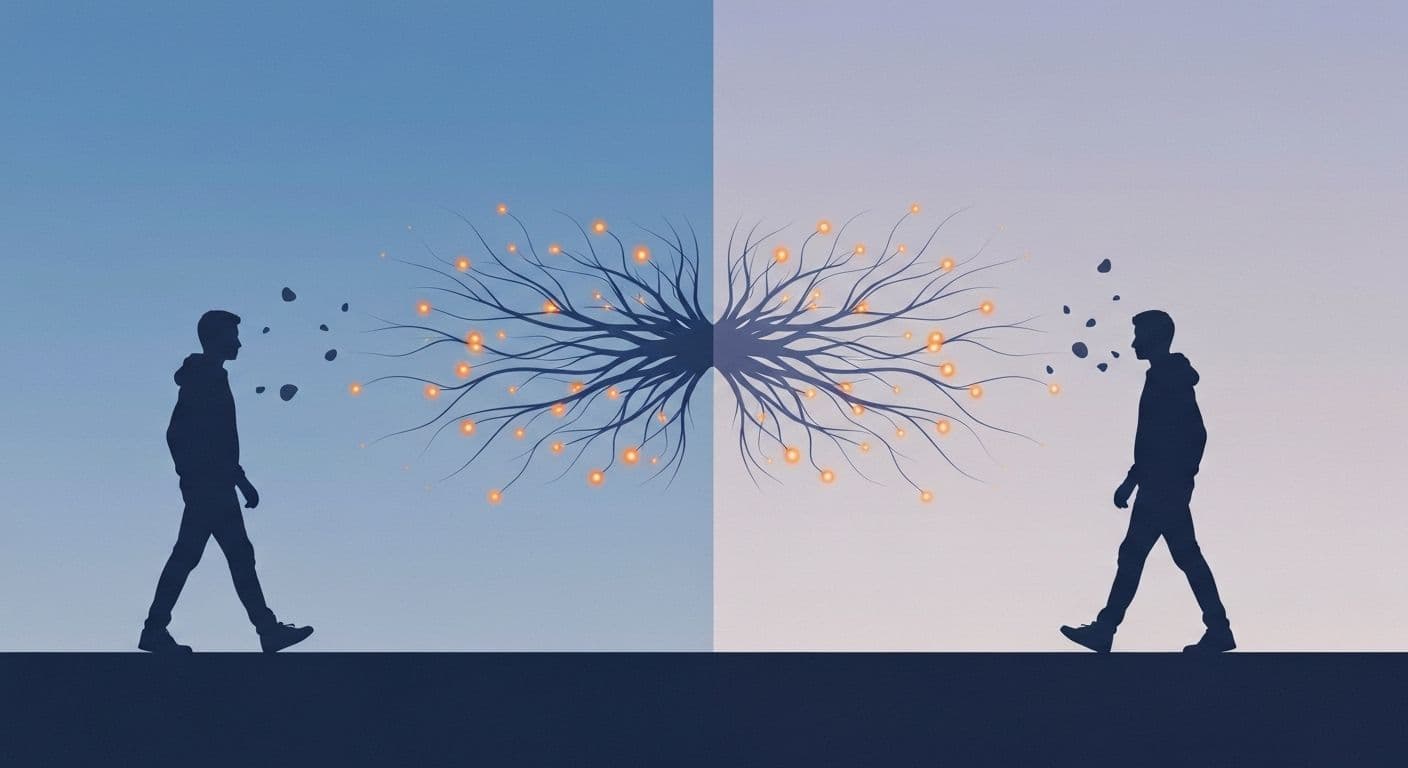
When a close friendship ends, the pain hits harder than most people expect. You might find yourself replaying conversations, checking your phone for messages that won't come, or feeling an ache in your chest that's surprisingly familiar—it's the same sensation you felt after your last romantic breakup. Here's the thing: your brain doesn't distinguish much between losing a romantic partner and grieving a lost friendship. Both activate the same neural pathways, trigger similar chemical responses, and create genuine emotional wounds that need time and care to heal.
Understanding why friendship loss affects us so deeply isn't about wallowing—it's about validating your experience and equipping yourself with practical tools to move forward. The science behind this pain reveals that your emotional response isn't dramatic or overblown; it's a natural neurological process that you can learn to navigate with evidence-based strategies.
Why Grieving a Lost Friendship Activates Your Brain's Attachment System
Your brain forms attachment bonds through repeated positive interactions, whether romantic or platonic. Each shared laugh, vulnerable conversation, and meaningful moment strengthens neural connections in your brain's reward and attachment centers. When that friendship ends, these pathways don't simply disappear—they remain active, searching for the connection that's no longer there.
Research shows that social rejection activates the same brain regions as physical pain, specifically the anterior cingulate cortex and insula. This explains why the phrase "heartbreak" applies to friendships just as much as romantic relationships. Your brain literally processes the loss as a threat to your wellbeing, triggering stress responses designed to protect you from further social isolation.
The dopamine system plays a particularly significant role here. Close friendships create predictable dopamine rewards—those feel-good moments when you connect. When the friendship ends, you experience a form of withdrawal, similar to breaking any rewarding habit. Your brain keeps anticipating those dopamine hits, leaving you with a persistent sense that something's missing.
Best Grieving a Lost Friendship Techniques: Reframing Without Minimizing
The most effective grieving a lost friendship strategies honor your pain while helping you process it constructively. Start by acknowledging that your feelings are valid—you're not being overly sensitive or dramatic. This friendship mattered, and its loss deserves recognition.
One powerful technique involves cognitive reframing. Instead of viewing the friendship as a failure, consider it as a chapter that served its purpose during a specific period of your life. People change, circumstances shift, and sometimes connections naturally reach their conclusion. This perspective doesn't diminish what you shared; it contextualizes the ending as part of growth rather than loss alone.
Try this practical exercise: When painful memories surface, pause and identify what that memory reveals about what you valued in the friendship. Was it trust? Humor? Shared interests? Recognizing these values helps you understand what you're truly grieving and what you'll seek in future connections. This approach transforms relationship patterns from sources of pain into sources of self-knowledge.
How to Grieving a Lost Friendship: Actionable Steps for Moving Forward
Your brain needs concrete actions to process loss effectively. Here's your grieving a lost friendship guide with immediately applicable strategies:
- Create a brief mental acknowledgment ritual: When thoughts of your former friend arise, take three deep breaths and mentally say, "This friendship was meaningful, and it's now complete." This simple practice helps your brain process the reality of the ending.
- Redirect social energy intentionally: Identify one existing relationship you'd like to deepen and reach out this week. Your brain's attachment system needs somewhere to focus its energy.
- Practice the "noticing without narrating" technique: When painful emotions surface, simply notice them ("I'm feeling sadness") without adding stories about what they mean ("This means I'll never have close friends again").
- Engage in activities that activate different neural pathways: Physical movement, creative projects, or learning new skills help your brain form new reward patterns beyond the friendship.
These effective grieving a lost friendship techniques work because they align with how your brain actually processes change and forms new patterns.
Grieving a Lost Friendship Strategies: Building Resilience for Future Connections
The final phase of grieving a lost friendship involves using this experience to strengthen your approach to future relationships. Your brain's neuroplasticity means you're constantly learning from emotional experiences, whether you're conscious of it or not. Why not make that learning intentional?
Reflect on what this friendship taught you about your values and boundaries. Perhaps you discovered you need friends who respect your time, share your communication style, or support your growth. These insights become guidelines for building healthier connections moving forward.
Remember that grieving a lost friendship doesn't mean you've lost the capacity for meaningful relationships—it means you're developing the emotional intelligence to navigate them with greater awareness. Your brain's attachment system remains fully functional and ready to form new bonds when you're ready. The pain you feel now is actually evidence of your capacity for deep connection, and that capacity remains unchanged, ready to enrich your future friendships.



