


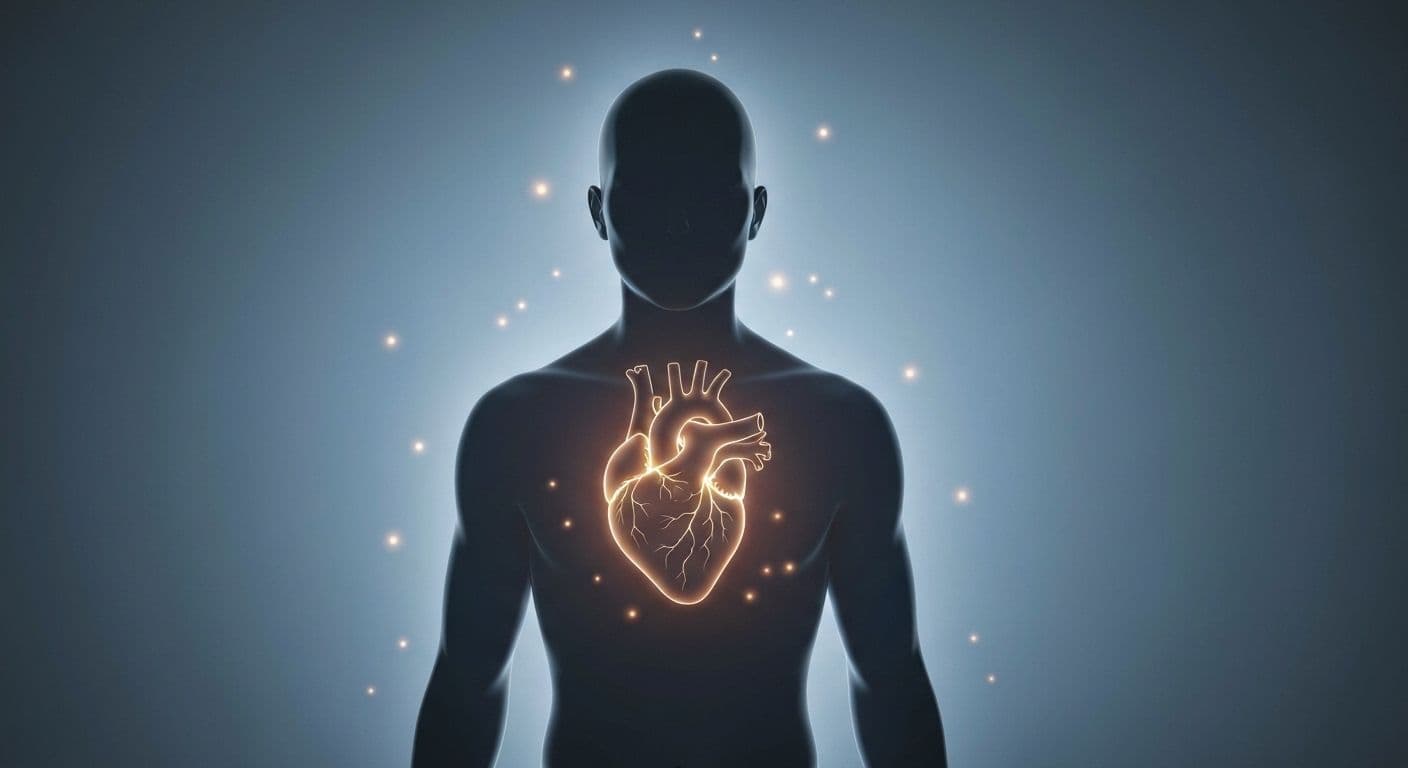
Heart Pain After Breakup: Why Your Chest Actually Hurts Physically
Ever felt like your chest was literally caving in after a breakup? That crushing sensation isn't just in your head—it's a very real physical response your body has to emotional pain. Understanding why you experience heart pain after breakup helps you recognize what's happening in your body and, more importantly, gives you the tools to manage it effectively.
When relationships end, your brain processes the loss similarly to physical injury. This triggers a cascade of stress hormones that directly impact your cardiovascular system. The result? Genuine chest discomfort that feels alarmingly like something's wrong with your heart. But here's the fascinating part: your body is simply responding exactly as it's designed to during times of intense emotional stress.
The connection between emotional distress and physical chest pain reveals just how intertwined our minds and bodies truly are. While most heart pain after breakup is a normal stress response, knowing the difference between typical discomfort and something requiring medical attention empowers you to take care of yourself without unnecessary panic.
The Science Behind Heart Pain After Breakup: Understanding Broken Heart Syndrome
Broken heart syndrome, medically known as stress cardiomyopathy, is your heart's dramatic reaction to overwhelming emotional stress. When you experience intense feelings like those following a breakup, your body floods your system with stress hormones—primarily cortisol and adrenaline. These chemicals temporarily change how your heart functions, creating real, measurable physical symptoms.
Think of it this way: your brain perceives the emotional pain of losing someone as a genuine threat. In response, it activates your fight-or-flight system, the same mechanism that would kick in if you were facing physical danger. Your heart rate increases, blood vessels constrict, and your chest muscles tighten—all creating that distinctive aching sensation.
The physical symptoms of heart pain after breakup typically include chest tightness, a heavy feeling in your chest, shortness of breath, and sometimes even temporary changes in your heart muscle's shape. Studies using cardiac imaging have shown that the left ventricle of the heart can actually balloon out temporarily during extreme emotional stress, mimicking the appearance of a heart attack.
What makes this particularly validating is that researchers have confirmed these aren't imagined symptoms. Your body is genuinely responding to emotional pain by creating physical sensations. The mind-body connection works both ways—just as anxiety affects your body's natural defenses, emotional heartbreak triggers tangible physiological changes.
The good news? Broken heart syndrome is typically temporary. Unlike actual heart attacks caused by blocked arteries, stress cardiomyopathy usually resolves within days to weeks as your stress hormone levels normalize. Your heart is remarkably resilient, even when it feels completely shattered.
Recognizing Normal Heart Pain After Breakup vs. When to Seek Medical Attention
Typical breakup-related chest pain usually feels like a dull ache or tightness that comes and goes, often intensifying when you think about your ex or encounter reminders of the relationship. This discomfort might last anywhere from a few minutes to several hours and often improves with distraction or calming activities.
However, certain symptoms require immediate medical evaluation. Seek emergency care if you experience severe, crushing chest pain that doesn't ease, pain radiating to your jaw, neck, or left arm, extreme shortness of breath, dizziness, nausea, or cold sweats. These could indicate a cardiac emergency rather than stress-related discomfort.
The difference between stress-induced chest pain and a genuine cardiac event often lies in the pattern and severity. Breakup-related heart pain typically correlates with emotional triggers—you feel it more intensely when crying or dwelling on the loss. Cardiac emergencies, by contrast, tend to produce consistent, severe pain regardless of your emotional state.
Listen to your body without catastrophizing. If you're uncertain whether your chest pain is normal, it's always better to get checked out. Medical professionals can quickly rule out serious conditions, giving you peace of mind to focus on emotional healing.
Simple Techniques to Ease Heart Pain After Breakup Through Body Awareness
Ready to take control of your physical symptoms? Start with box breathing: inhale for four counts, hold for four, exhale for four, hold for four. This simple pattern activates your parasympathetic nervous system, directly counteracting the stress response causing your chest tightness.
Try a quick body scan when you notice heart pain after breakup. Close your eyes and mentally sweep through your body from head to toe, noticing where you're holding tension. Often, you'll discover your shoulders are hunched or your jaw is clenched—physical patterns that amplify chest discomfort.
Gentle movement works wonders for processing stored emotional pain. A short walk, stretching your arms overhead, or rolling your shoulders backward helps release the physical tension that accumulates during emotional distress. Movement literally shifts the energy that's creating that heavy feeling in your chest.
These techniques give you immediate tools to manage the physical manifestations of heartbreak. Your body is responding to emotional pain in exactly the way it's designed to—and now you know how to help it find relief. Understanding heart pain after breakup means recognizing you're not broken; you're human, and your body is simply doing its job of processing loss.



