


Why Breakup Tiktok Videos Keep You Stuck In The Past | Heartbreak
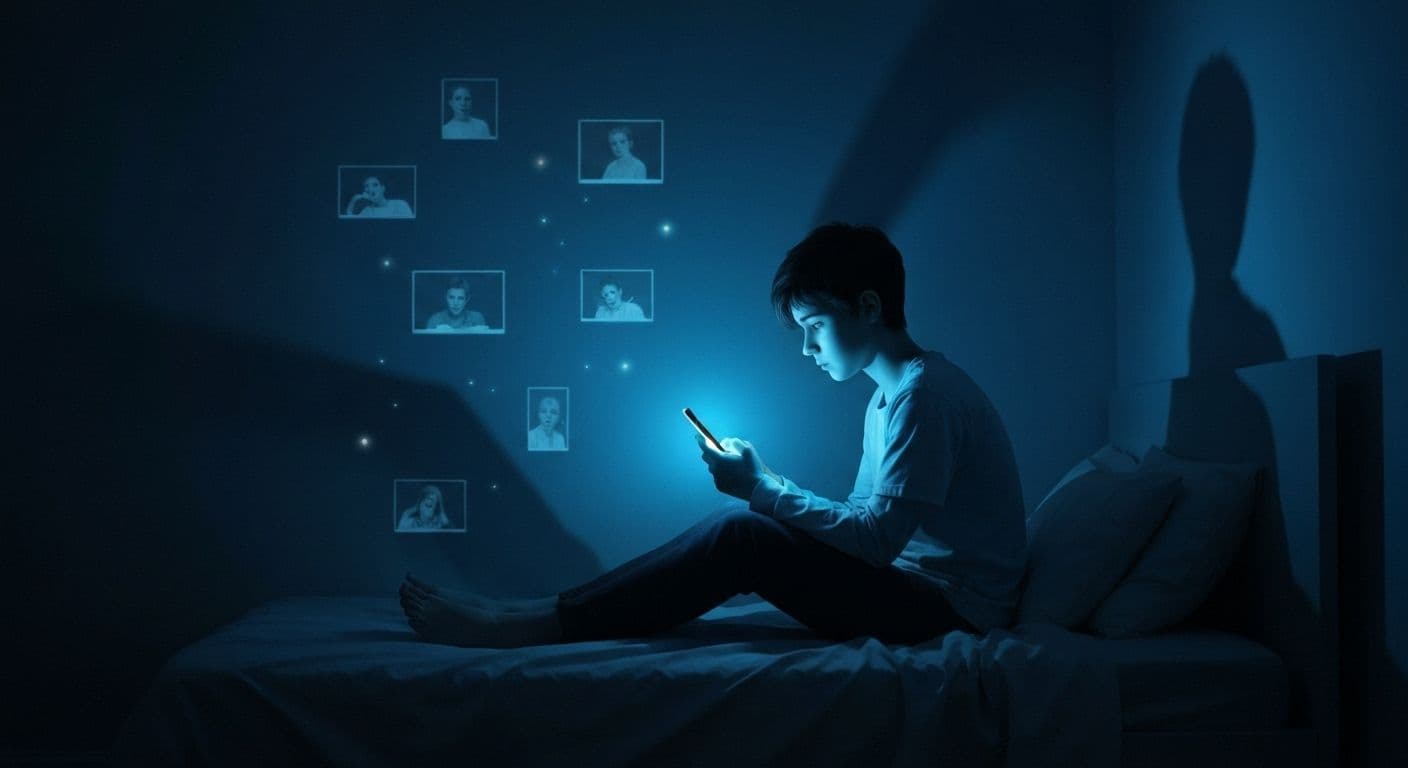
It's 2am and you're still scrolling through breakup TikTok, watching yet another person describe exactly how you feel. Each video feels like a warm hug from someone who gets it—but somehow, you feel worse than when you started. You came looking for comfort, maybe even some breakup tik tok wisdom to help you heal, but three hours later, you're deeper in your feelings than ever. Sound familiar?
Here's the thing: breakup TikTok creates a sneaky paradox. While these videos validate your pain and make you feel less alone, they're also keeping you emotionally stuck in a loop that prevents actual healing. The algorithm has learned your heartbreak, and it's serving you an endless buffet of content that reinforces your pain rather than helping you move past it. Understanding why this happens is the first step toward breaking free.
The science behind this isn't complicated, but it is powerful. Your brain is wired to seek patterns and familiarity, even when that familiarity hurts. When you consume breakup videos night after night, you're not processing your emotions—you're rehearsing them. And the more you rehearse, the harder it becomes to write a new script for your life.
How Breakup TikTok Creates an Emotional Feedback Loop
The moment you watch your first breakup tik tok video after a split, the algorithm takes notes. It learns that you're hurting, and like an overeager friend who doesn't know when to stop, it serves you more and more breakup content. Before you know it, your entire For You Page is a highlight reel of heartbreak, toxic relationships, and people who "understand your pain."
Here's where neuroscience gets interesting: each TikTok breakup video you watch reactivates the same neural pathways associated with your pain. Your brain doesn't distinguish between experiencing heartbreak and watching someone else describe it. The emotional centers light up either way, keeping those wounds fresh and raw instead of allowing them to heal naturally.
The dopamine hit you get from relatability is real—it feels good to be understood. But this creates a dangerous cycle. Your brain starts associating healing with passive consumption rather than active processing. You think you're working through your emotions by watching breakup content, but you're actually just creating environmental cues that keep you trapped in the same emotional state.
Psychologists call this "digital rumination"—the online equivalent of replaying painful scenarios in your mind. Except instead of your thoughts doing the replaying, it's an algorithm designed to maximize your engagement. The more you scroll, the more the app learns to serve you exactly what keeps you scrolling. It's not healing; it's habit formation disguised as self-care.
Signs Your Breakup Tik Tok Habit Is Keeping You Stuck
Let's get real about what's actually happening when you can't stop watching breakup TikTok. The clearest sign? You consistently feel worse after scrolling, yet you keep coming back for more. You tell yourself "just one more video," but an hour disappears and you're emotionally drained, not refreshed.
Another red flag: you're comparing your breakup to every single video, constantly reinforcing a victim narrative. "Yes, that's exactly what they did to me!" feels validating in the moment, but it's actually cementing your identity as someone who was wronged rather than someone who's moving forward. Your story becomes frozen in the past tense.
You've probably memorized countless pieces of breakup tik tok advice—the best tips for moving on, the signs they were toxic, the stages of healing. Yet despite this encyclopedia of knowledge, you haven't actually implemented any of it. Knowledge without action is just entertainment, and entertainment that keeps you emotionally stuck is actually harmful.
There's also the isolation factor. You feel deeply understood by strangers on the internet but increasingly disconnected from real-life support systems. Friends and family want to help, but you'd rather watch another breakup tik tok video than have an actual conversation. This digital connection becomes a substitute for genuine human support, which is what you actually need for emotional regulation and healing.
The ultimate indicator? Your entire For You Page has become a shrine to heartbreak. When even the algorithm knows you're stuck, it's time to make a change.
Breaking Free from the Breakup Tik Tok Cycle
Ready to reclaim your emotional freedom? Start by aggressively using TikTok's "Not Interested" feature on every breakup tik tok video that appears. Yes, it feels counterintuitive to reject content that validates you, but you're literally retraining the algorithm to stop feeding your pain. Within days, you'll notice different content appearing—and your brain will get a break from constant heartbreak reinforcement.
Replace passive consumption with active emotional processing using bite-sized grounding techniques that actually shift your emotional state. Instead of watching someone else describe anger, spend two minutes naming your own emotions out loud. This simple act engages different neural pathways and promotes actual processing rather than rumination.
Set a hard limit: five minutes maximum for any breakup content, then transition to action. Think of it as exposure with a purpose, not endless scrolling. After those five minutes, do something physical—even if it's just standing up and stretching. This pattern interruption signals to your brain that you're moving forward, not staying stuck.
When you feel the urge to open TikTok and search for breakup videos, redirect that impulse into a quick mindfulness exercise. Take three deep breaths and ask yourself: "Am I seeking comfort or am I avoiding growth?" This moment of awareness creates space between impulse and action, giving you the power to choose differently.
The truth? The path forward isn't hidden in another breakup tik tok video. It's built through small daily actions that gradually rebuild your identity as someone whose story is bigger than this one chapter. Your healing doesn't live on a screen—it lives in the choices you make when you put the phone down.



