


Why Heartbreak Is So Painful: Your Brain's Alarm System Explained
You're lying in bed at 2 AM, chest physically aching, unable to stop replaying that last conversation. Your body feels heavy, your stomach won't settle, and the pain radiating through your chest rivals any physical injury you've experienced. Here's something that might surprise you: heartbreak is so painful because your brain literally processes it as physical pain. This isn't just metaphor or emotional drama—it's neuroscience. Understanding why heartbreak hurts so intensely helps you realize that what you're experiencing is your body's ancient alarm system doing exactly what it evolved to do.
The intensity of emotional pain after a breakup catches most people off-guard. We expect scraped knees and twisted ankles to hurt, but we're unprepared for the visceral, whole-body agony of lost connection. Yet heartbreak is so painful precisely because your brain treats social rejection as a genuine threat to survival. This response made perfect sense for our ancestors, who literally couldn't survive alone. Today, understanding this biological reality validates your experience and points toward more effective ways to navigate the healing process.
What makes heartbreak is so painful isn't weakness or over-attachment—it's the sophisticated way your brain protects you from isolation. This same system that creates such intense suffering also reflects your capacity for deep connection. Let's explore the fascinating neuroscience behind why emotional wounds can feel more debilitating than broken bones.
Why Heartbreak Is So Painful: The Neuroscience Behind Emotional Pain
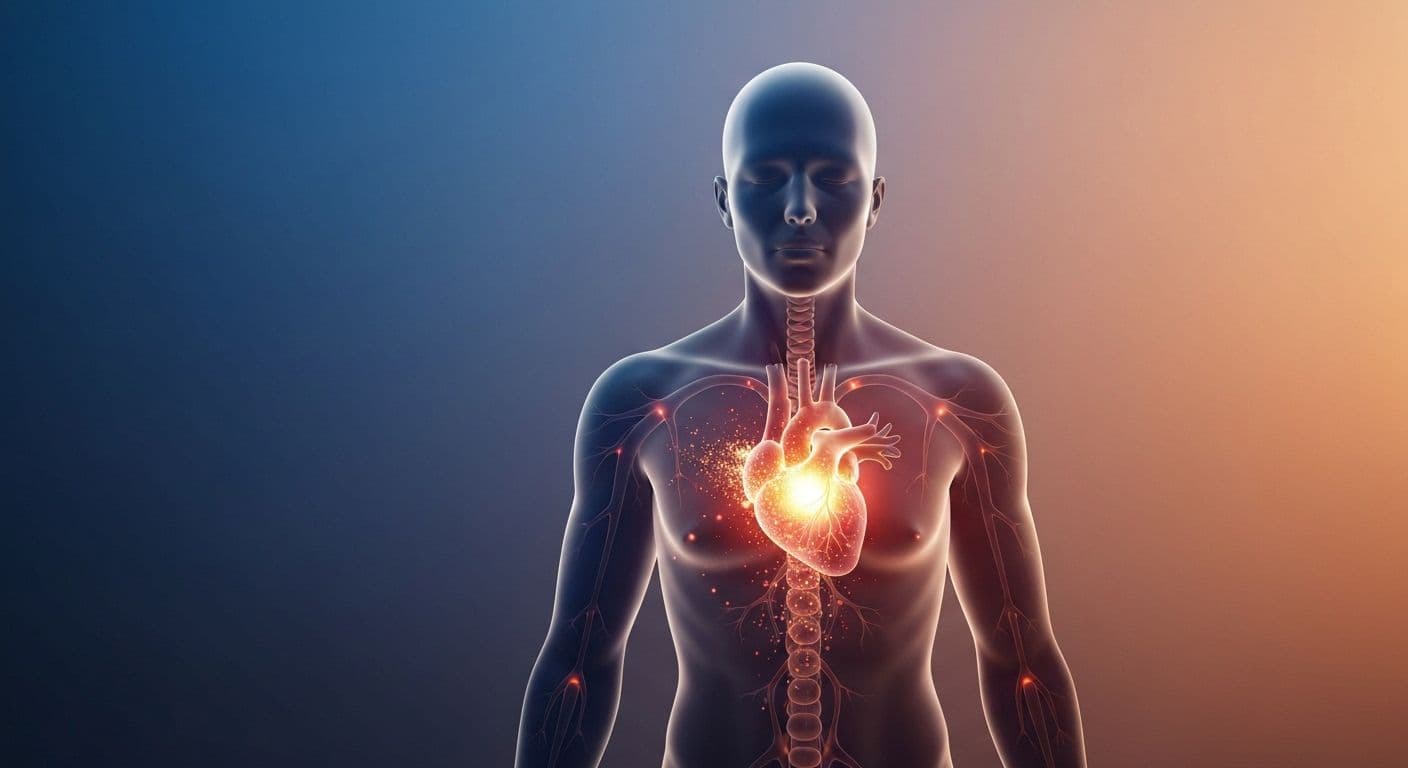
Brain imaging studies reveal something remarkable: when you experience heartbreak, your anterior cingulate cortex and insula light up like a Christmas tree. These exact same regions activate when you stub your toe or burn your hand. In other words, heartbreak is so painful because your brain processes emotional rejection using identical neural pathways designed for physical injury.
Researchers at UCLA conducted studies where participants looked at photos of ex-partners while recalling the breakup. The brain scans showed activation patterns indistinguishable from physical pain responses. This explains why heartbreak doesn't just feel like pain—it is pain, according to your nervous system. Your brain makes no meaningful distinction between a fractured wrist and a fractured relationship.
This overlap exists because of our evolutionary wiring as intensely social creatures. For hundreds of thousands of years, separation from your social group meant almost certain death. No individual human could hunt large game, defend against predators, or survive harsh winters alone. Your ancestors who felt intense distress at social rejection were more motivated to maintain crucial relationships—and they're the ones who survived to pass down their genes.
Here's where it gets really interesting: studies show that over-the-counter pain medication like acetaminophen can actually reduce emotional pain intensity. One study found that participants who took acetaminophen daily for three weeks reported significantly less hurt feelings and social pain than those taking a placebo. This isn't a recommendation to medicate heartbreak away, but it demonstrates just how literally heartbreak is so painful from a neurological perspective.
Understanding these anxiety management techniques helps you recognize that your intense reaction isn't excessive—it's your brain doing exactly what it was designed to do.
Why Heartbreak Is So Painful Compared to Physical Injuries
If heartbreak activates the same pain centers as physical injury, why does it often feel worse than a broken bone? Several factors make emotional pain particularly intense and persistent.
Physical injuries come with clear healing timelines. You break your arm, the doctor sets it, and you know it'll heal in six weeks. Heartbreak offers no such certainty. You don't know if you'll feel better in three weeks or three months, and this unpredictability amplifies distress. Your brain struggles with ambiguous threats more than concrete ones.
The rumination factor makes heartbreak is so painful in ways physical injuries aren't. When you break your leg, you're not constantly replaying the moment of injury or imagining alternative scenarios where it didn't happen. But with heartbreak, your mind loops endlessly through memories, conversations, and "what-ifs." Each replay reactivates those pain centers, essentially re-injuring yourself neurologically dozens of times per day.
Physical pain also comes with visible evidence—a cast, a scar, crutches. Others can see you're injured and adjust their expectations accordingly. Emotional pain remains invisible, leaving you feeling isolated and misunderstood. This lack of external validation makes the suffering feel more overwhelming because you're managing both the pain itself and the loneliness of experiencing it.
Additionally, heartbreak affects multiple bodily systems simultaneously. Your stress hormones spike, disrupting sleep and appetite. Your immune function temporarily weakens. The stress response system stays activated for weeks, creating that constant state of physical tension and exhaustion that makes everything harder.
Understanding Why Heartbreak Is So Painful Helps You Heal Faster
Recognizing that heartbreak is so painful because of your brain's alarm system—not because something's wrong with you—fundamentally changes how you approach healing. This pain isn't punishing you; it's protecting you by signaling that something important has changed and requires attention.
When you understand the neuroscience, you gain powerful tools for managing the intensity. One effective strategy involves interrupting rumination by engaging different brain regions. When you catch yourself replaying painful memories, shift to an activity that requires focused attention—solving a puzzle, learning something new, or having a meaningful conversation. This literally redirects neural activity away from pain centers.
Remember that the intensity of your pain directly reflects your capacity for deep connection. The same neural wiring that makes heartbreak is so painful also enables profound love, empathy, and belonging. This suffering proves you're capable of the kind of meaningful relationships that make life rich.
Ready to navigate emotional pain with science-backed tools? The Ahead app offers practical techniques grounded in neuroscience to help you understand and manage intense emotions. By working with your brain's natural processes rather than against them, you'll develop lasting emotional resilience that serves you far beyond this moment of heartbreak.



