


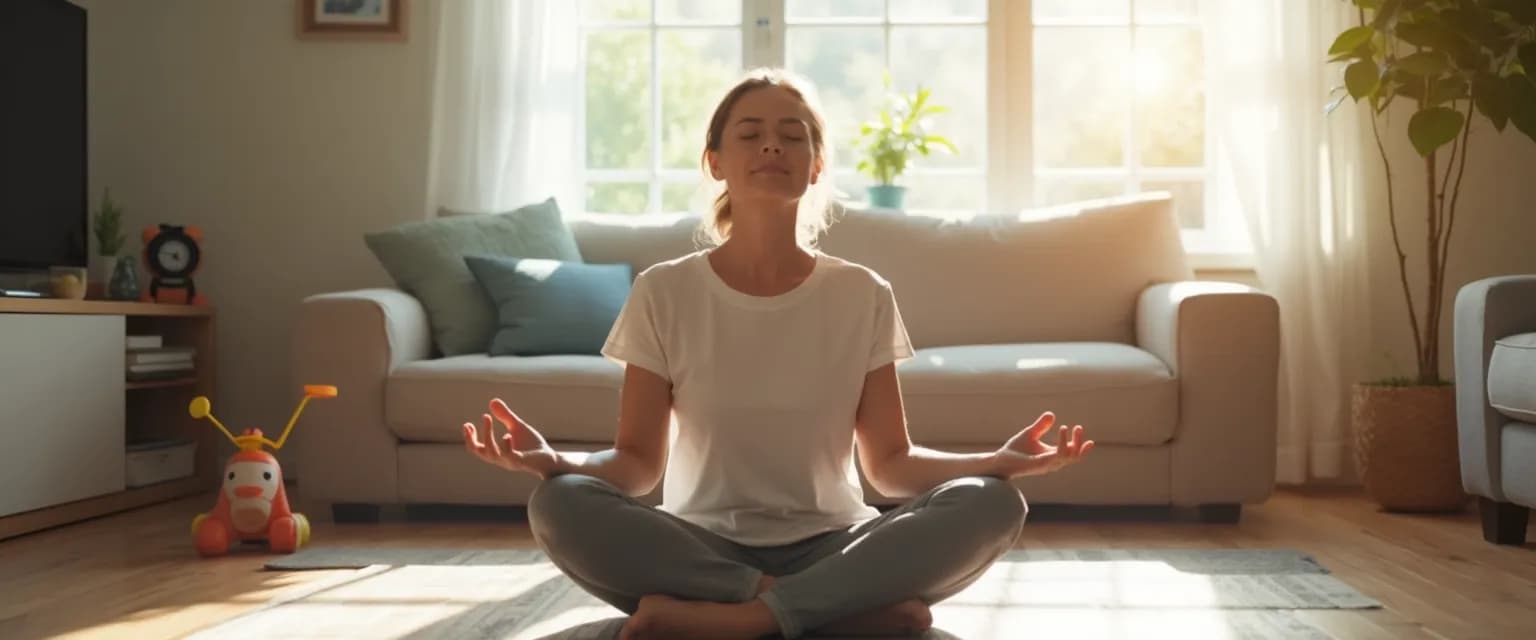
5-Minute Meditation for Peace of Mind: Quick Breaks for Busy Parents
Ever feel like your day is a chaotic whirlwind of lunch-packing, carpool-driving, and homework-helping? As parents, finding moments of calm seems impossible—but what if just 5 minutes could transform your mental state? Meditation for peace of mind isn't just a luxury; it's a practical necessity for busy parents. These micro-moments of mindfulness can be your secret weapon against parental burnout and overwhelm.
The beauty of meditation for peace of mind is that it doesn't require hours of sitting in lotus position. Neuroscience confirms that even brief meditation sessions trigger your parasympathetic nervous system, reducing stress hormones and promoting a sense of calm. For parents juggling endless responsibilities, these 5-minute breaks serve as mental reset buttons, helping you respond rather than react to the next meltdown or mishap. The best meditation for peace of mind practices fit seamlessly into your existing routine—no extra time needed.
Think of these brief meditations as mental power naps, recharging your patience and perspective between the natural transitions of your day. Parents who practice consistent short meditations report feeling more present with their children and less overwhelmed by the inevitable chaos of family life. Ready to discover how to integrate these peaceful moments into your busy schedule?
3 Simple Meditation for Peace of Mind Techniques During Parental Transitions
The most effective meditation for peace of mind techniques for parents work within the natural pauses of your day. These practices are designed to be accessible even with Cheerios on the floor and "Mom!" or "Dad!" being called from another room.
First, try the "Three Breath Reset"—a powerful technique that works between parenting tasks. When you finish one activity (like dropping kids at school) and before beginning another (starting work), pause for just three intentional breaths. Inhale slowly through your nose for a count of four, hold briefly, then exhale completely. This simple mindfulness technique instantly lowers your heart rate and creates a clean transition between activities.
Next, practice "Sensory Anchoring" during moments of household chaos. When emotions run high, focus intensely on one physical sensation—like your feet firmly planted on the floor or the feeling of your hands against a countertop. This meditation for peace of mind strategy grounds you in the present moment, creating immediate emotional stability. Parents find this particularly helpful during tantrums or sibling conflicts, as it prevents getting swept into the emotional storm.
Finally, master the "Pause and Presence" method during inevitable waiting periods. Whether you're sitting in the pickup line or waiting for soccer practice to end, use these minutes for meditation instead of scrolling through your phone. Simply close your eyes (if safe), focus on your breathing, and mentally scan your body from head to toe, releasing tension as you go. This stress reduction technique transforms otherwise "wasted" minutes into rejuvenating mental breaks.
The key to these meditation for peace of mind techniques is their flexibility—they work even with background noise and don't require perfect conditions. Parents report that these methods help them maintain composure during challenging moments and recover more quickly from parenting stress.
Creating Daily Triggers for Your Meditation for Peace of Mind Practice
Consistency is what transforms occasional meditation into a powerful peace-building habit. The most successful meditation for peace of mind practices for busy parents leverage existing routines as natural reminders.
Start by identifying your daily parenting transitions—moments like morning coffee, commutes, shower time, or the quiet after bedtime. These become your meditation triggers. For example, let the coffee maker's beep remind you to take three mindful breaths before pouring your cup. Or use the school drop-off as a cue to sit in your car for 60 seconds of quiet breathing before driving away.
Household objects can also serve as meditation reminders. The refrigerator door, bathroom mirror, or car steering wheel can all become visual cues for a quick meditation moment. Some parents place small colored dots in strategic locations as mindfulness triggers—a simple but effective habit-building strategy.
Track your progress with a simple method—like noting moments of calm on your calendar or using a meditation timer app that logs your sessions. The visual record reinforces your commitment to these peace-promoting practices.
Deepen Your Meditation for Peace of Mind in Just 5 Minutes a Day
What makes these brief meditation for peace of mind practices so powerful is their cumulative effect. Just as small deposits grow a savings account, these mindful moments gradually build your resilience and emotional regulation capacity. Parents who maintain this practice report feeling more patient, less reactive, and more present with their children.
As your children grow and schedules shift, your meditation practice naturally evolves. The techniques remain the same, but the timing and triggers adjust to your changing life. The beauty of this approach is its sustainability—no matter how busy life gets, you can always find 5 minutes for meditation for peace of mind.
These micro-meditations create a thread of mindfulness throughout your day, connecting moments of peace amid the beautiful chaos of parenting. Ready to transform your parenting experience with meditation for peace of mind? Start with just one technique today, and watch how these small moments create big changes in your family life.



