


5 Playful Ways to Explain Self-Awareness to Children in Daily Life
Ever noticed how your child becomes fascinated when they see themselves in the mirror? That natural curiosity is the perfect starting point to explain self-awareness to children. Self-awareness—the ability to recognize our feelings, thoughts, and actions—forms the foundation of emotional intelligence. While it might seem like an abstract concept, children actually begin developing self-awareness from a very young age through everyday interactions with their environment and the people around them.
When we explain self-awareness effectively, we give children valuable tools to understand themselves and navigate their emotions. The beauty is that you don't need special equipment or formal lessons—the best opportunities to teach self-awareness happen during regular daily activities. By turning ordinary moments into meaningful learning experiences, you help children develop emotional intelligence skills that will benefit them throughout life.
Children learn best through concrete examples and playful interactions. With the right approach, even complex concepts like self-awareness become accessible and engaging for young minds.
Simple Ways to Explain Self-Awareness to Children During Daily Routines
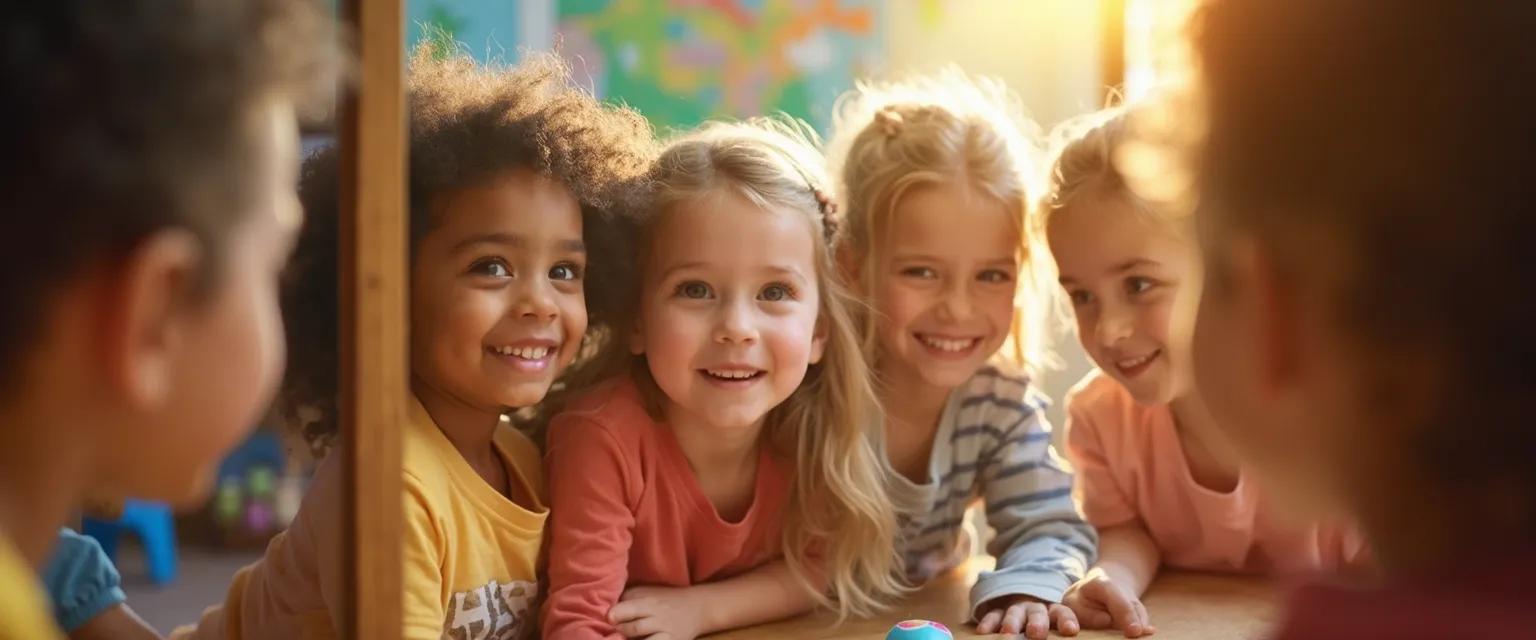
Daily routines provide perfect opportunities to explain self-awareness concepts in child-friendly ways. Start with mirror activities, which naturally help children recognize their physical selves and emotional expressions. During bathroom time, stand together in front of the mirror and make different faces—happy, sad, surprised—and talk about how emotions look and feel in our bodies.
Mealtime offers another natural moment to explain self-awareness through bodily sensations. Ask questions like, "How does your tummy feel? Is it telling you it's hungry or full?" This helps children connect with their internal signals and understand that everyone experiences these sensations differently.
Bedtime routines create space for "emotion check-ins" that build self-awareness. Try saying, "Let's check in with our feelings before sleep. I'm feeling peaceful. How about you?" This simple practice helps children recognize that emotions come and go throughout the day.
Storytelling provides another powerful way to explain self-awareness concepts. Choose books with characters who demonstrate self-reflection or talk about their feelings. After reading, ask questions like, "How do you think the character felt when that happened? Have you ever felt that way too?" These conversations help children connect stories to their own experiences, building bridges to self-understanding.
Fun Games That Explain Self-Awareness to Children Naturally
Games offer engaging ways to explain self-awareness while having fun. Try a modified version of Simon Says that focuses on body awareness: "Simon says touch something that helps you hear" or "Simon says point to where you feel happy." This playful approach helps children become more attuned to their physical presence and sensations.
Emotion charades takes self-awareness learning to another level. Write different feelings on cards (or use pictures for younger children), then take turns acting them out. This game builds emotional vocabulary while teaching children to recognize how feelings show up in facial expressions and body language.
The Weather Report game offers a creative way to explain self-awareness of internal emotional states. Each morning, ask children to share their "inner weather forecast." Are they feeling sunny, cloudy, stormy, or something else? This metaphor makes abstract emotions more concrete and discussable.
For impulse awareness, try playing Red Light/Green Light with an emotional twist. When you call "Green Light," children move forward while expressing a happy emotion. At "Red Light," they freeze and take three deep breaths. This game teaches the connection between emotions and actions while practicing self-regulation skills.
Making Self-Awareness Stick: Reinforcing Your Explanations
The most effective way to explain self-awareness to children is by modeling it yourself. Narrate your own emotional experiences: "I'm feeling frustrated because I can't find my keys, so I'm taking deep breaths to calm down." When children see you practicing self-awareness, they learn by example.
Celebrate moments when children demonstrate self-awareness: "You noticed you were getting angry and took a break—that shows you're really aware of your feelings!" This positive reinforcement encourages them to continue developing these important skills.
Create a family language around emotions and self-awareness that grows with your children. As they develop, your ways to explain self-awareness can become more nuanced, building on the foundation you've established through these everyday moments and playful interactions.
Remember, when we explain self-awareness effectively to children, we're giving them lifelong tools for emotional intelligence, healthy relationships, and personal growth—all through the magic of everyday moments.



