


7 Physical Spaces That Nurture Mental Peace When You Need Peace of Mind
When life gets chaotic, we all need peace of mind to reset and recharge. Our physical surroundings play a surprisingly powerful role in our mental wellbeing—more than most people realize. Whether you're feeling overwhelmed at work or battling stress at home, creating the right environment could be the missing piece in your quest for tranquility. The spaces we inhabit directly influence our stress hormones, thought patterns, and overall emotional state when you need peace of mind the most.
Research consistently shows that certain environments can trigger our brain's relaxation response, effectively lowering blood pressure and reducing anxiety. This isn't just about aesthetics—it's about neurological responses to our surroundings that can dramatically shift our mental state. Let's explore seven physical spaces that science proves can nurture the peace of mind you need, along with practical ways to incorporate these elements into your everyday life.
Natural Environments That Provide the Peace of Mind You Need
Nature stands as perhaps the most powerful environment for those who need peace of mind. Forest bathing—the Japanese practice of shinrin-yoku—reduces cortisol levels by up to 12% after just 20 minutes among trees. This isn't merely psychological; phytoncides (compounds released by trees) have measurable effects on our nervous system.
Water environments offer similar benefits when you need peace of mind. The rhythmic sound of waves or flowing water activates our parasympathetic nervous system, creating what scientists call a "blue mind" state of calm alertness. Even if you live in an urban setting, you can create mini-natural retreats by:
- Setting up a small indoor fountain for the soothing sound of water
- Creating a corner with potted plants to mimic forest environments
- Using nature sounds apps when you need peace of mind quickly
Even brief exposure to natural elements can provide significant relief. A study from the University of Michigan found that just 20 minutes in a natural setting substantially reduced stress hormone production, making it an accessible need peace of mind strategy for most people.
Creating Home Sanctuaries for Peace of Mind
Your home environment directly impacts your mental state, making it crucial to design spaces that support the peace of mind you need. Clutter isn't just visually distracting—it actually competes for attention in your brain's processing centers, creating cognitive overload.
Creating a minimalist space doesn't require a complete home renovation. Start with a single room or even a corner dedicated to tranquility. Research on environmental psychology shows that these elements significantly enhance your need peace of mind at home:
- Natural light (increases serotonin production)
- Cool colors like blue and green (lower heart rate and blood pressure)
- Soft, ambient sounds (mask disruptive noise and promote focus)
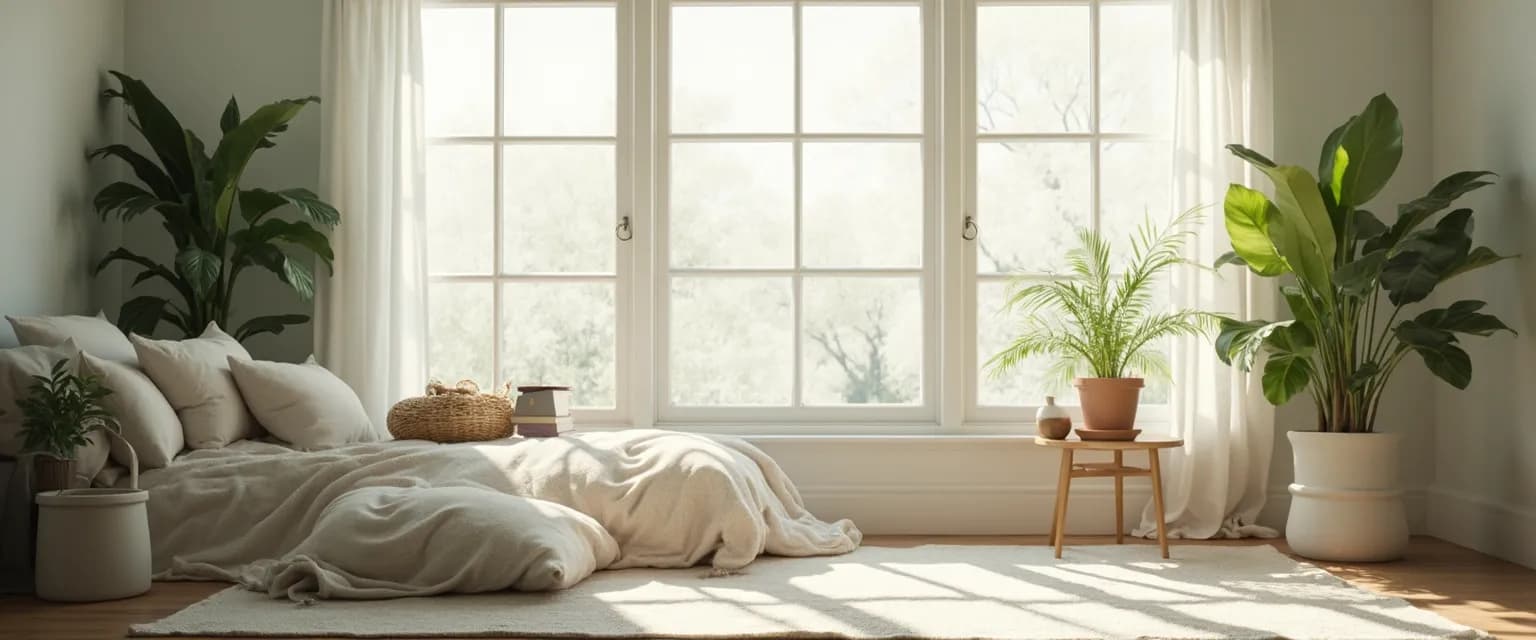
The bedroom deserves special attention since quality sleep forms the foundation of mental wellbeing. Creating a sleep sanctuary with blackout curtains, comfortable bedding, and electronics-free zones provides the restoration you need for peace of mind throughout your waking hours. Even small adjustments like removing work-related items from your bedroom can create powerful psychological boundaries between rest and productivity.
Finding Peace of Mind in Everyday Spaces
Most of us spend significant time in environments we can't completely control—workplaces, commutes, or public settings. Yet even these spaces offer opportunities for those who need peace of mind strategies.
At work, creating a micro-sanctuary at your desk provides mental respite during hectic days. Consider:
- A small plant (proven to reduce stress by 37% in office settings)
- Noise-canceling headphones for auditory boundaries
- Personal items that trigger positive emotions
Commute time, often considered stressful, can be transformed into a peace of mind opportunity. Instead of fighting against this transition period, embrace it as a buffer zone between responsibilities. Simple practices like listening to calming music or using breathing techniques can shift this time from stressful to restorative.
Even brief moments in transitional spaces—elevators, waiting rooms, or checkout lines—offer opportunities to practice presence when you need peace of mind. These "micro-moments" of awareness accumulate, creating a foundation of calm that persists throughout your day.
Remember, creating environments that nurture mental peace isn't a luxury—it's essential self-care. By intentionally designing and engaging with spaces that support your need peace of mind, you're not just changing your surroundings—you're transforming your inner landscape as well.



