


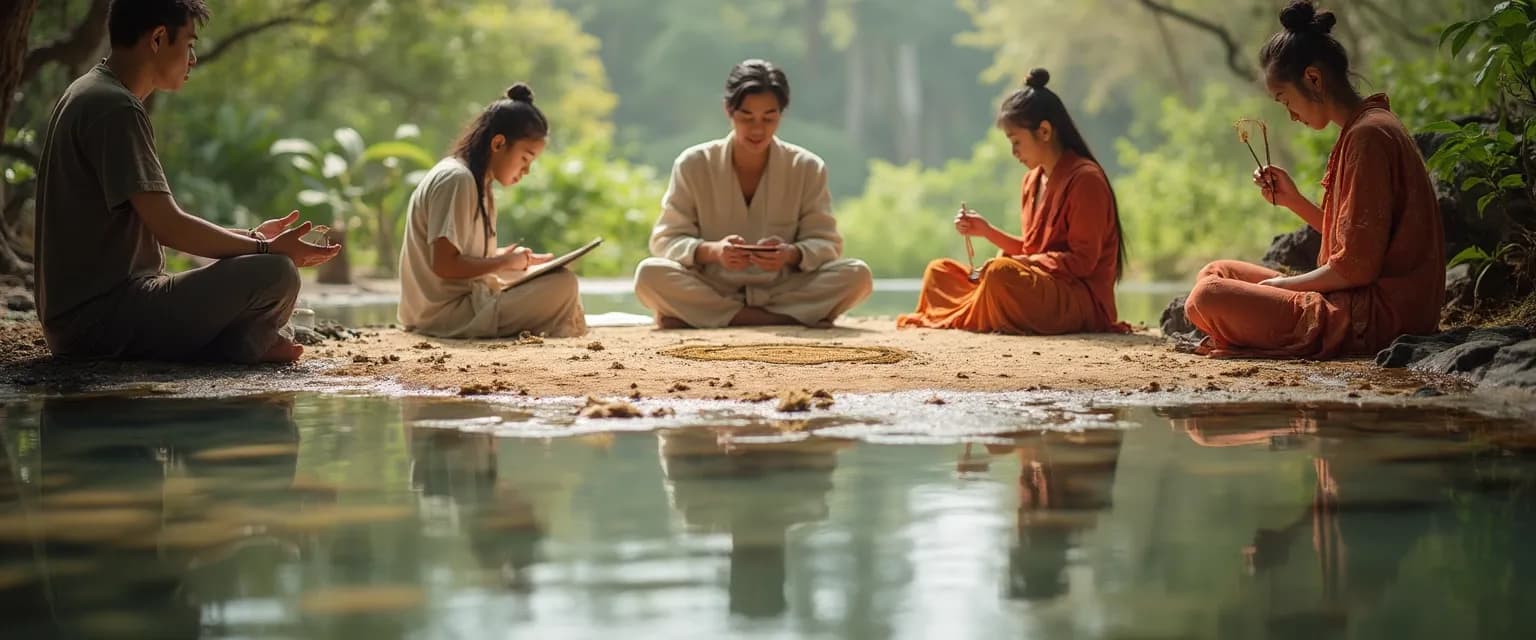
Beyond Journaling: 5 Unconventional Self-Knowledge Self-Awareness Practices
Ever wonder why the same old self-reflection techniques leave you feeling stuck? While journaling remains the go-to Western approach for developing self-knowledge self-awareness, there's a whole world of alternative practices waiting to be discovered. These global traditions offer fresh perspectives that might be the key to unlocking deeper insights about yourself than conventional methods ever could.
The journey toward meaningful self-knowledge self-awareness often requires stepping outside familiar territory. personal growth techniques from diverse cultures provide unique lenses through which we can examine our thoughts, emotions, and behaviors. By exploring these alternatives to journaling, you'll discover powerful tools that have helped people develop profound self-understanding for centuries.
These five practices from around the world offer distinctive approaches to building self-knowledge self-awareness that go beyond writing in a notebook. Each tradition brings its own wisdom and practical techniques that you can adapt to your modern life, regardless of your cultural background.
5 Global Traditions That Deepen Self-Knowledge Self-Awareness
1. Japanese Naikan: Structured Gratitude Reflection
Naikan, meaning "looking inside," offers a structured approach to self-knowledge self-awareness through three simple questions: What have I received from others? What have I given to others? What difficulties have I caused others? Unlike open-ended journaling, this focused reflection creates a framework for understanding yourself through relationships.
By spending just 15 minutes daily with these questions, you build a more balanced perspective of your place in the world. This practice highlights interdependence rather than independence, revealing blind spots in how you perceive your actions and their impact on others.
2. South African Ubuntu Philosophy: Community Mirrors
The Ubuntu concept—"I am because we are"—offers a radical shift from individualistic self-knowledge self-awareness approaches. This philosophy suggests that true emotional strength development comes through understanding yourself in relation to your community.
Try the "community mirror" practice: Gather insights about yourself from five people who know you in different contexts. Their perspectives often reveal patterns in your behavior that self-reflection alone might miss, creating a more complete picture of who you are.
3. Scandinavian Friluftsliv: Nature-Immersion Awareness
Friluftsliv (free-loofts-leev), or "open-air living," uses nature as a mirror for self-knowledge self-awareness. This Nordic tradition involves spending time outdoors without distractions, allowing the natural world to reflect your internal state.
A simple practice is the "sensory nature sit"—find a quiet outdoor spot and simply observe what each of your senses detects for 20 minutes. Notice how your thoughts and emotions respond to these stimuli, providing insights about your reactions and patterns.
4. Indigenous Storytelling: Narrative Self-Discovery
Many indigenous cultures use storytelling as a tool for self-knowledge self-awareness. Rather than analyzing yourself directly, you explore your life as a continuing narrative with themes, characters, and turning points.
Try the "life chapter" technique: Divide your life into chapters as if it were a book, giving each a title that captures its essence. This narrative approach reveals patterns and meaning that analytical progress tracking methods might miss.
5. Eastern Mindful Movement: Embodied Awareness
Practices like Tai Chi, Qigong, and certain yoga traditions approach self-knowledge self-awareness through the body rather than the mind. These movement disciplines reveal how emotions, thoughts, and physical sensations are interconnected.
The "body scan" practice offers an accessible entry point: Spend five minutes systematically noticing sensations throughout your body without judgment. This embodied awareness often uncovers emotional patterns that mental reflection alone might miss.
Integrating Global Self-Knowledge Self-Awareness Practices Into Daily Life
The beauty of these global approaches lies in their adaptability. You don't need to adopt an entire cultural system to benefit from these self-knowledge self-awareness techniques. Start by incorporating one practice that resonates with you for just 10 minutes daily.
Consider creating a weekly rotation of different approaches—perhaps Naikan reflection on Mondays, a nature sit on Wednesdays, and a body scan on Fridays. This variety prevents the stagnation that often comes from relying on a single self-knowledge self-awareness method.
The most powerful approach combines elements from different traditions into a personalized practice. For example, you might bring Ubuntu's community perspective to your Naikan reflection, or incorporate storytelling elements into how you process your nature experiences.
Remember that effective self-knowledge self-awareness isn't about the quantity of time spent, but the quality of attention you bring to the practice. These global traditions offer fresh pathways to understanding yourself that might just provide the breakthrough you've been seeking.



