


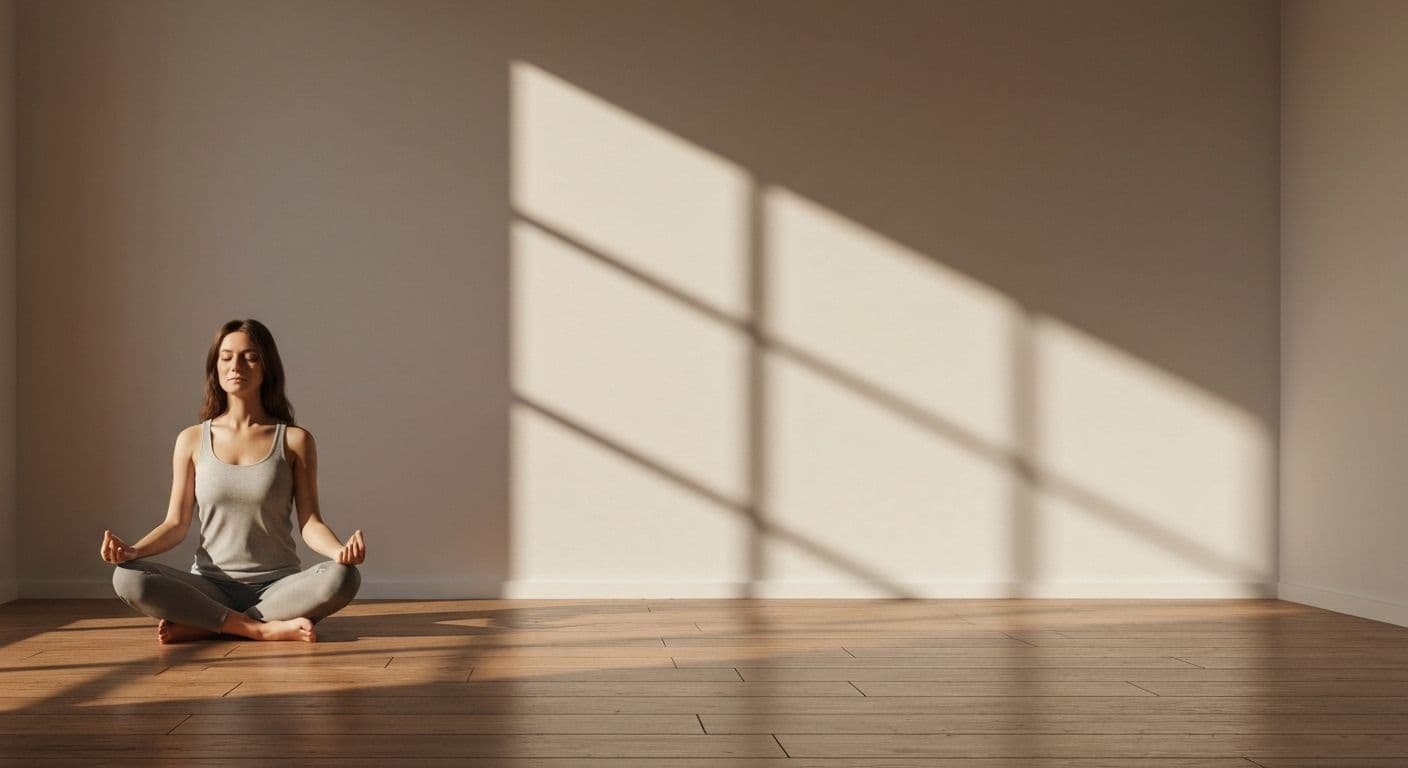
Build Your Own Mindfulness Practice: No Classes, Apps, or Search for 'Mindfulness Near Me' Required
Ever typed "mindfulness near me" into your search bar, only to find expensive meditation studios or overwhelming app subscriptions staring back at you? You're not alone. The truth is, you don't need to pay for classes, download another app, or even leave your home to build a powerful mindfulness practice. The most effective mindfulness techniques are already within reach—woven into the everyday activities you're already doing. Your morning commute, your lunch break, even washing dishes can become opportunities for genuine awareness training.
Building a sustainable mindfulness routine doesn't require special equipment, guided meditations, or formal instruction. It requires something much simpler: your attention. This guide shows you how to transform ordinary moments into a personalized mindfulness practice that fits seamlessly into your life, without the price tag or digital overwhelm. Ready to discover how everyday activities can become your most powerful anxiety management tools?
Why You Don't Need to Search 'Mindfulness Near Me' to Start Your Practice
Here's what most people don't realize: mindfulness isn't about location, apps, or teachers. It's about attention training. Neuroscience shows that mindfulness works by strengthening specific neural pathways in your prefrontal cortex—the part of your brain responsible for focus and emotional regulation. This happens whether you're sitting on a meditation cushion in a studio or standing at your kitchen sink.
The myth that you need formal instruction or digital tools to practice effectively has created unnecessary barriers. While classes and apps can provide structure, they often create dependency rather than self-sufficiency. You become reliant on external guidance instead of developing your own awareness skills. The best mindfulness practice is one that integrates naturally into your existing life, not one that requires scheduling around class times or remembering to open an app.
The Neuroscience of Attention
Your brain's attention system works like a muscle—it gets stronger with practice, regardless of where that practice happens. Research demonstrates that informal mindfulness (practiced during daily activities) produces the same neurological benefits as formal meditation sessions. The key is consistent engagement, not perfect conditions.
Informal vs Formal Practice
Informal mindfulness means bringing awareness to activities you're already doing. Unlike formal practice (sitting meditation), informal practice removes the barrier of "finding time" because you're using time you've already allocated. This approach builds resilience and awareness in real-world contexts, making it more immediately applicable to your daily challenges. Similar to how small wins compound over time, these micro-practices accumulate into significant transformation.
Transform Daily Activities Into Your Personal Mindfulness Practice (No 'Mindfulness Near Me' Search Needed)
Your daily routine already contains dozens of mindfulness opportunities. Here's how to activate them without disrupting your schedule or adding new tasks to your to-do list.
Commuting Practices
Whether you're driving, walking, or taking public transit, your commute offers built-in mindfulness time. Try this: Focus on three physical sensations—your feet on the floor, your back against the seat, and your hands wherever they rest. When your mind wanders to your upcoming meeting or yesterday's conversation, gently redirect your attention back to these sensations. Count ten breaths, noticing the inhale and exhale without trying to change them. This technique helps you arrive at your destination feeling grounded rather than scattered.
Kitchen Mindfulness
Cooking engages all five senses naturally, making it perfect for awareness practice. As you prepare meals, deliberately notice the colors of vegetables, the sound of chopping, the smell of spices, the texture of ingredients, and eventually the taste of food. When you catch yourself mentally rehearsing conversations or scrolling through mental to-do lists, redirect your attention to one sensory detail. This practice transforms cooking from a chore into a refreshing mental reset, much like how finding your flow state can revolutionize productivity.
Cleaning as Meditation
Household tasks become mindfulness practice when you bring full attention to the physical movements involved. While washing dishes, notice the temperature of the water, the texture of soap, the circular motion of cleaning. While folding laundry, feel the fabric, observe the colors, notice the repetitive movements. The key is catching your mind when it wanders (it will, constantly) and gently bringing it back to the physical experience without frustration or judgment.
Building a Sustainable Mindfulness Practice Without Apps or Classes Near You
The secret to sustainable mindfulness isn't perfection—it's integration. Start with micro-practices: three conscious breaths while your coffee brews, noticing physical sensations while brushing your teeth, or paying attention to sounds while waiting in line. These thirty-second awareness checks compound throughout your day.
Stack mindfulness onto existing habits by choosing one daily activity as your "anchor practice." Every time you do this activity, you practice awareness. This habit-stacking approach, similar to creating supportive environments, builds consistency without requiring willpower.
Track your progress through self-observation rather than metrics. Notice how you feel after practicing. Do you arrive at work less frazzled? Do you respond more thoughtfully in conversations? These real-world improvements matter more than any app streak. Adjust your techniques based on what feels natural and sustainable for your lifestyle—mindfulness near me isn't about following rigid rules, it's about developing awareness that serves your actual life.
Ready to start? Choose one activity from today and bring your full attention to it. That's your mindfulness practice. No search required.



