


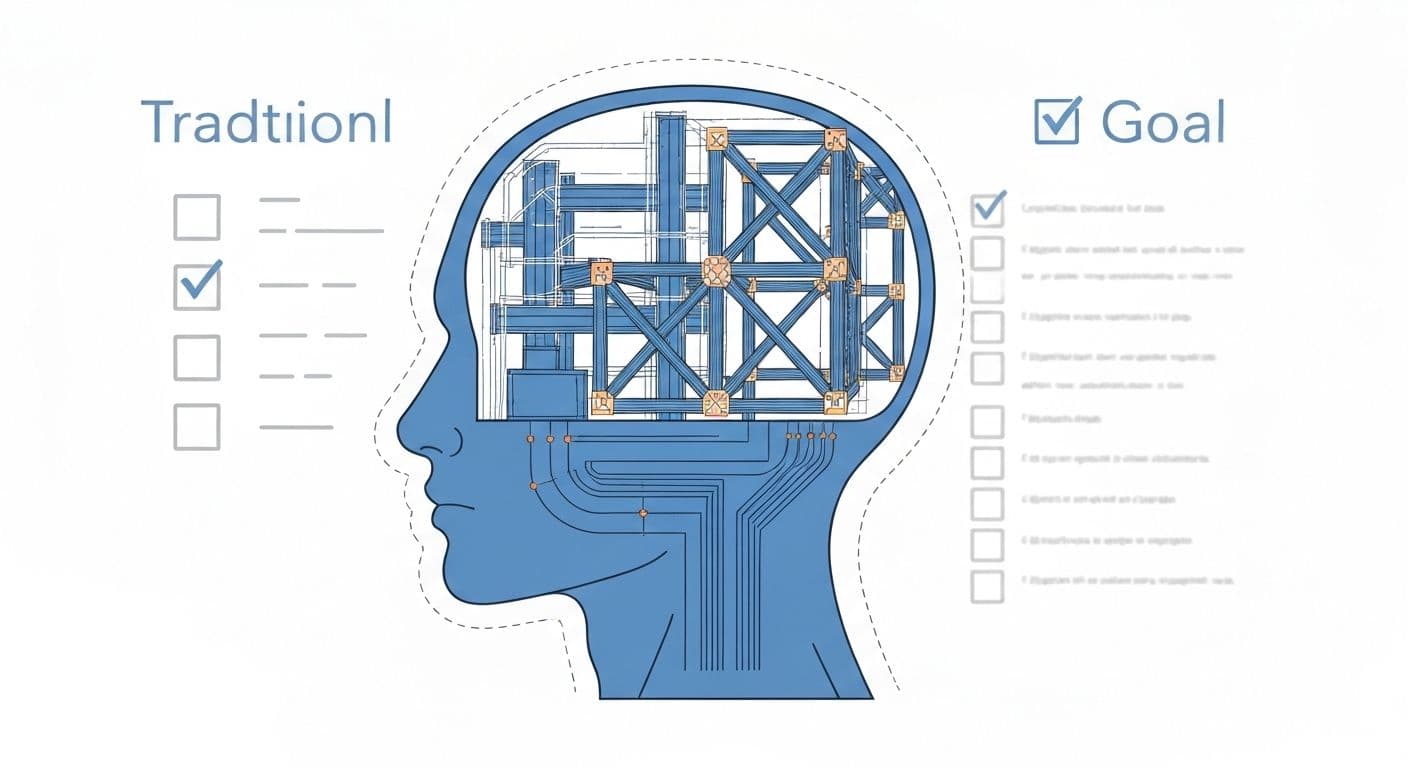
Designing the Mind: The Principles of Psychitecture vs Goal-Setting
You've set the goal a hundred times: "I'm going to stay calm," "I won't get frustrated," "I'll be more patient." You write it down, you commit to it, and for a few days, maybe even a week, you white-knuckle your way through. Then something happens—a rude comment, a delayed project, an unexpected setback—and suddenly you're right back where you started. Sound familiar? The problem isn't your willpower or dedication. The issue is that you're trying to change the output without redesigning the system that creates it. This is where designing the mind the principles of psychitecture becomes essential: instead of forcing behavioral changes through sheer determination, you intentionally restructure the mental architecture that generates your automatic responses.
Traditional goal-setting approaches focus on what you want to achieve, but they rarely address how your mind actually works. When you understand that lasting change comes from redesigning your mental framework rather than fighting against it, you unlock a completely different path forward. Think of it this way: setting a goal is like deciding where you want to drive, while designing the mind the principles of psychitecture is like building better roads that naturally take you there. The difference between these approaches determines whether change feels like an exhausting battle or an effortless shift in your personal growth trajectory.
The Foundation of Designing The Mind: The Principles Of Psychitecture Explained
Psychitecture refers to the intentional design of your mental structures—the underlying thought patterns, beliefs, and cognitive frameworks that shape how you perceive and respond to the world. While traditional goal-setting is reactive (responding to unwanted behaviors after they happen), designing the mind the principles of psychitecture is proactive: you're building the mental infrastructure that prevents those behaviors from arising in the first place.
Here's a concrete example. Traditional anger management might involve setting a goal to "count to ten before responding" or "take deep breaths when upset." These are surface-level interventions that require constant conscious effort. They address the symptom (the angry outburst) but not the root cause (the thought patterns that interpret situations as threatening or unfair). In contrast, applying designing the mind the principles of psychitecture means identifying and restructuring the specific cognitive patterns that trigger emotions in the first place—perhaps the automatic assumption that people are deliberately trying to frustrate you, or the belief that your worth depends on everything going perfectly.
What Makes Psychitecture Different From Traditional Approaches
The science behind this approach is compelling. Neuroscience research shows that our brains operate largely on autopilot, with up to 95% of our decisions happening unconsciously. When you design your mental architecture intentionally, you're programming those automatic responses rather than constantly fighting against them. You're creating new neural pathways that become your default mode of thinking, which means sustainable change happens without the exhausting effort of willpower-based strategies for stress management.
Why Traditional Goal-Setting Falls Short: Applying Designing The Mind Principles
Traditional goals fail because they rely on willpower, which is a limited resource that depletes throughout the day. Every time you force yourself to "not get angry" or "stay patient," you're spending mental energy. Eventually, that tank runs empty, and you revert to your default patterns. This is why New Year's resolutions typically last less than a month—they're built on the shaky foundation of conscious effort rather than automatic mental responses.
The fundamental difference is this: goals tell you what to achieve, while designing the mind the principles of psychitecture changes how you think. A goal says "be less angry." Psychitecture asks: "What thought patterns create my anger, and how do I redesign them?" When you restructure the mental framework that interprets situations, you don't need to consciously manage your reactions anymore. The anger simply doesn't arise with the same intensity because you've changed the underlying architecture that was generating it.
How Psychitecture Creates Effortless Change
Consider someone who constantly feels frustrated by minor inconveniences. Traditional goal-setting might involve tracking angry moments or practicing relaxation techniques. These require ongoing effort. Designing the mind the principles of psychitecture would involve identifying the belief system that labels small setbacks as catastrophic—perhaps perfectionism or a need for control—and systematically restructuring those beliefs. Once restructured, the frustration naturally diminishes because the mental system that was creating it has been redesigned. The change becomes automatic, not effortful, because you've addressed the root cause rather than managing the emotions behind your reactions.
Building Your Mental Architecture: Practical Designing The Mind Principles For Lasting Change
Ready to start applying designing the mind the principles of psychitecture in your daily life? Begin by identifying one recurring emotional pattern you want to change. Notice the specific thoughts that precede that emotion. What assumptions are you making? What beliefs are activated? This awareness is the first step in redesigning your mental architecture.
Next, question those automatic thoughts. Are they objectively true, or are they interpretations? Often, we discover that our emotional reactions stem from cognitive distortions—mental shortcuts that don't reflect reality. By consciously examining and challenging these patterns, you begin the process of restructuring them. The key is consistency without intensity: brief daily reflection works better than occasional marathon sessions.
From Reactive To Proactive Thinking
The beauty of designing the mind the principles of psychitecture is that it integrates seamlessly into everyday moments. Each time you catch yourself in an old thought pattern and consciously choose a different interpretation, you're building new mental architecture. Over time, these new patterns become automatic, and you'll notice lasting behavioral change happening without the constant effort that traditional goal-setting demands. You're not fighting against yourself anymore—you've redesigned the system to work with you naturally.



