


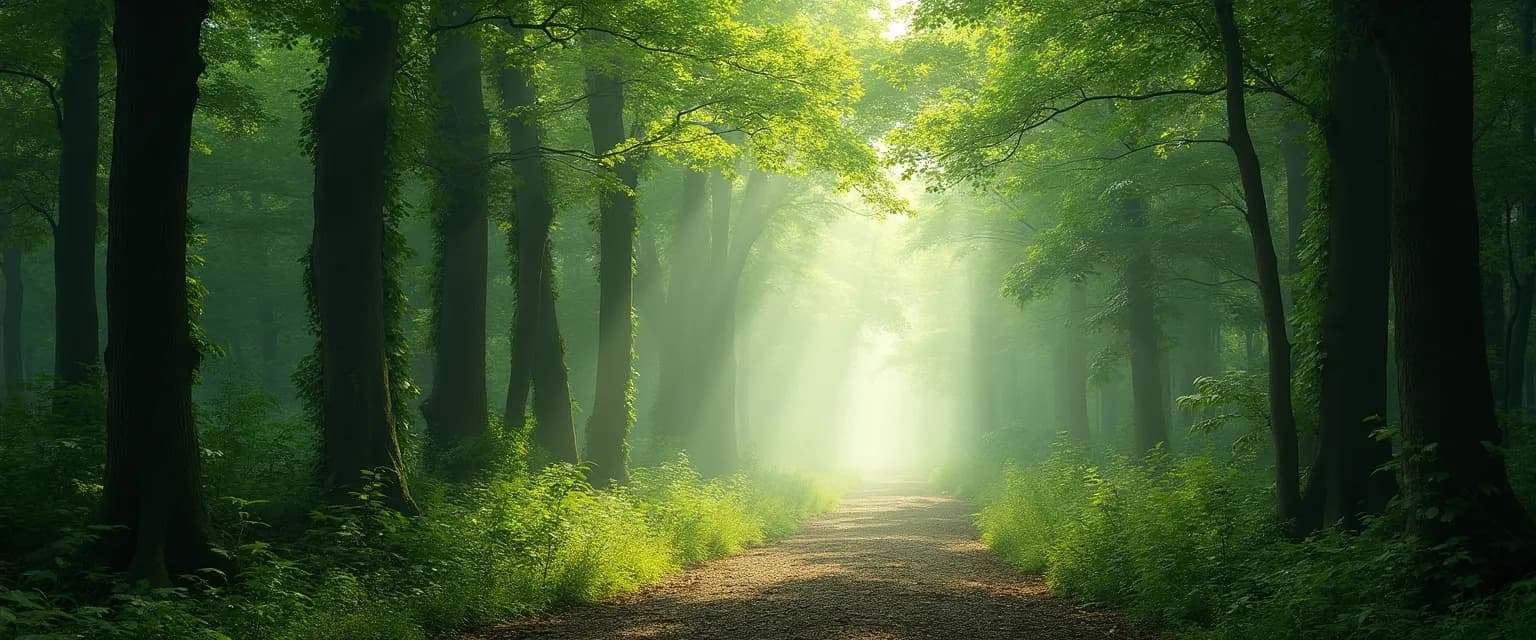
Forest Bathing: How Nature Walks Relax Your Mind and Calm Anxiety
Ever felt your mind racing like a hamster on a wheel? You're not alone. In our hyperconnected world, finding ways to relax my mind has become more challenging—and more essential—than ever. Enter "shinrin-yoku," or forest bathing, a Japanese practice that's gaining worldwide recognition as a powerful way to quiet mental chatter and restore inner calm.
Unlike a brisk hike or nature walk with a destination, forest bathing invites you to slow down and immerse yourself completely in the natural environment. Research from Japan's Chiba University shows that just 20 minutes of forest bathing decreases cortisol levels by 12% compared to spending the same time in urban settings. When I first tried forest bathing during a particularly stressful period, the difference was remarkable—my mind stopped spinning with to-do lists and started noticing the present moment experiences around me.
This article offers practical guidance to help you relax your mind through forest bathing, whether you have access to vast woodlands or just a tiny urban park.
How Forest Bathing Works to Relax My Mind
The science behind forest bathing's ability to help relax my mind is compelling. Trees release compounds called phytoncides—natural oils that protect them from insects and bacteria. When we breathe these in, our bodies respond by increasing natural killer (NK) cell activity, which supports immune function and reduces stress hormones.
But forest bathing works on multiple levels beyond just biochemistry. The natural environment engages what environmental psychologists call "soft fascination"—a gentle capturing of attention that doesn't require mental effort. Unlike the "directed attention" needed for emails, meetings, and digital devices that exhausts your cognitive resources, nature provides restorative mental experiences that allow your analytical mind to rest.
The Science Behind Nature's Calming Effects
Studies show that forest environments activate your parasympathetic nervous system—your body's "rest and digest" mode—while reducing activity in the prefrontal cortex, the brain region responsible for rumination and worry. This physiological shift is why many people report feeling their thoughts "slow down" during forest bathing.
Mindful Awareness vs. Distraction
Unlike hiking, which often focuses on reaching a destination, forest bathing emphasizes presence over progress. This distinction is crucial for those looking to relax my mind effectively. When hiking, you might still be planning, calculating distance, or thinking about what's next. Forest bathing, however, invites you to drop into your senses and simply notice what's already there—creating a natural form of mindfulness without the struggle of formal meditation.
Simple Forest Bathing Practices to Relax My Mind Today
Ready to experience forest bathing for yourself? These sensory-based practices help relax my mind by creating a complete nature immersion experience:
- The Five Senses Inventory: Spend 3-5 minutes focusing on each sense. What do you see? Notice colors, movements, patterns. What do you hear? Bird calls, rustling leaves, distant sounds. Continue with smell, touch, and even taste (like the freshness of the air).
- Invitation to Slowness: Challenge yourself to move at one-third your normal pace. This immediately shifts your nervous system and helps your racing thoughts slow to match your physical movement.
- Sit Spot Practice: Find a comfortable place to sit for 15 minutes. This simple act of stopping completely often reveals how much mental noise we carry and allows it to gradually settle.
Urban Adaptations When Forest Access Is Limited
Don't have a forest nearby? No problem. You can adapt these practices to achieve similar benefits in limited green spaces:
- Visit urban parks during off-peak hours to minimize distractions
- Create a sensory-rich balcony garden with aromatic plants
- Practice "sky bathing" by finding a spot to watch clouds and birds
- Use high-quality nature sounds through headphones while in a green space to mask urban noise
Even a 20-minute practice during your lunch break can significantly help relax my mind. The key is consistency—making these nature connections part of your regular routine rather than a one-time experience.
Forest bathing reminds us that sometimes the most effective way to relax my mind isn't through more effort but through less—by stepping away from screens and schedules to reconnect with our most fundamental relationship: the one with the natural world. As you incorporate these practices, you'll likely find that nature doesn't just help you relax your mind temporarily—it gradually reshapes how your mind works altogether.



