


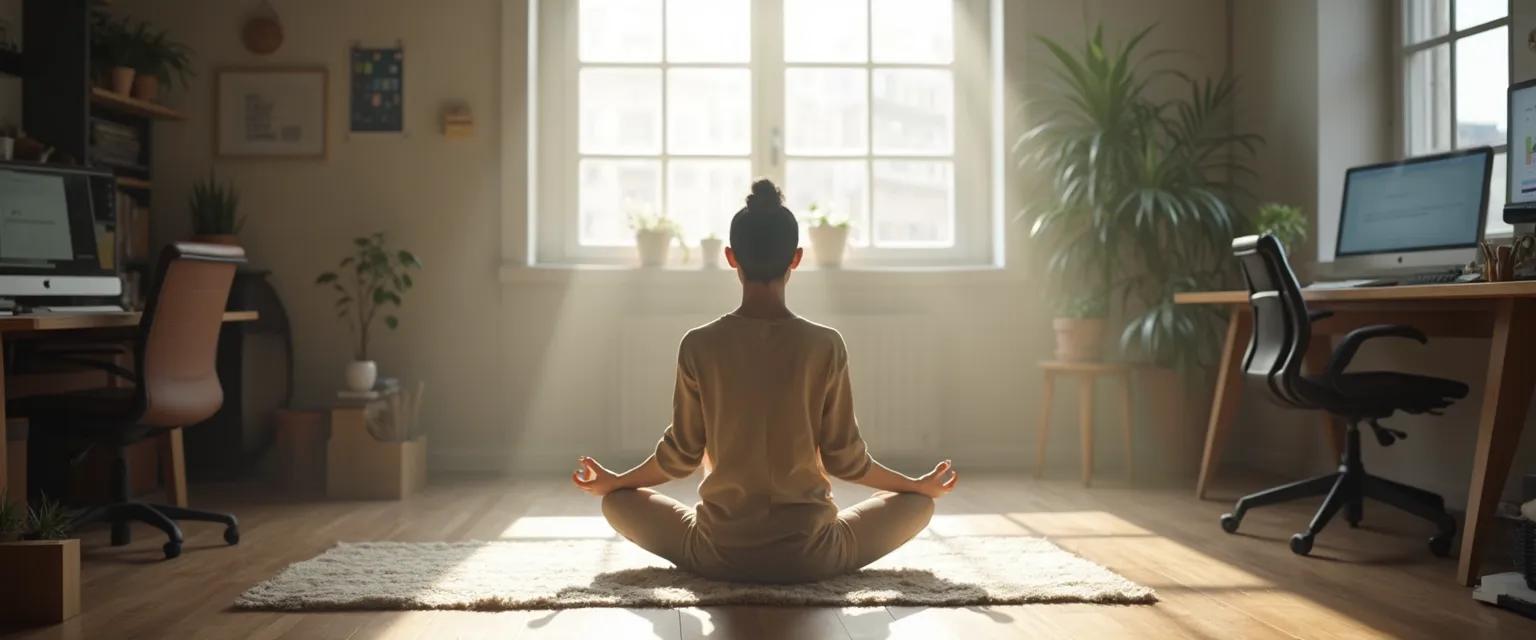
From Chaos to Calm: Simple Peace Rituals for Peace of Mind in Daily Life
Finding peace of mind in daily life seems almost impossible when your schedule is packed from dawn till dusk. Between work deadlines, family responsibilities, and the constant ping of notifications, moments of calm feel like luxury items rather than necessities. But what if peace wasn't something you had to schedule but rather something you could weave into your existing routine? This is where peace rituals come in – micro-moments of calm that require minimal time but deliver maximum mental clarity.
Research from neuroscience shows that even brief mindfulness practices of 3-5 minutes can significantly reduce stress hormones and improve cognitive function. These micro-wins for mental clarity add up, creating a cumulative effect that transforms your experience of daily life. The beauty of peace rituals is that they don't require you to overhaul your schedule – they simply enhance what you're already doing.
The key to finding peace of mind in daily life isn't about escaping your responsibilities but transforming how you move through them. These rituals become anchors of calm in your day, allowing you to respond rather than react to life's inevitable challenges.
3 Essential Morning Rituals for Peace of Mind in Daily Life
How you start your day sets the tone for everything that follows. These morning peace rituals take less than 5 minutes combined but create a foundation for peace of mind in daily life that extends for hours.
The Mindful Minute
Before reaching for your phone, take 60 seconds to focus on your breathing. Inhale for a count of four, hold for two, and exhale for six. This simple pattern activates your parasympathetic nervous system, immediately reducing anxiety and creating mental space. This mindfulness technique for anxiety management requires zero extra time in your morning – you're already breathing anyway!
The Gratitude Snapshot
While brushing your teeth or waiting for your coffee to brew, identify three specific things you're grateful for right now. Research shows this 90-second practice shifts your brain from problem-focused to possibility-focused, creating immediate emotional resilience.
The Two-Minute Intention
Before diving into emails or tasks, take 120 seconds to set a clear intention for your day. Rather than a to-do list, this is about how you want to show up energetically. Sample intention: "Today, I'll create moments of peace amid activity." This acts as your north star when chaos threatens to take over.
Finding Peace of Mind in Daily Life During Work Hours
The workday often presents the greatest challenges to maintaining peace of mind in daily life. These micro-rituals help you maintain clarity even during your busiest hours.
The 3-Breath Reset
Between meetings or tasks, take three deliberate breaths. On the first, notice how you feel. On the second, release tension. On the third, set an intention for your next activity. This 15-second ritual creates valuable mental transitions that prevent stress accumulation.
Creating Micro-Boundaries
Designate certain moments as "peace zones" – perhaps the first five minutes of lunch or the walk between meetings. During these moments, be fully present with whatever you're doing. These digital overwhelm prevention strategies create essential mental breathing room.
The Sensory Anchor
Keep a small object, scent, or image at your workspace that represents calm. When stress rises, take 20 seconds to engage with this anchor through your senses. This immediately interrupts anxiety patterns and resets your nervous system.
Sustaining Peace of Mind in Daily Life Through Evening Rituals
How you end your day is equally important for maintaining peace of mind in daily life. These evening rituals create clear boundaries between work and rest.
The "Day Release" ritual takes just one minute: symbolically close your workday by writing down tomorrow's priorities, then physically closing your notebook or shutting down your computer while saying, "Today's work is complete."
Create a 5-minute "Transition Space" between work and personal time by changing clothes, splashing water on your face, or stepping outside briefly. This physical ritual helps your brain understand that work mode is over.
These simple peace rituals don't require adding anything to your already full schedule – they simply transform ordinary moments into opportunities for peace of mind in daily life. The power lies not in their duration but in their consistency. Over time, these micro-moments of peace create lasting neural pathways that make calm your default state rather than something you have to chase.



