


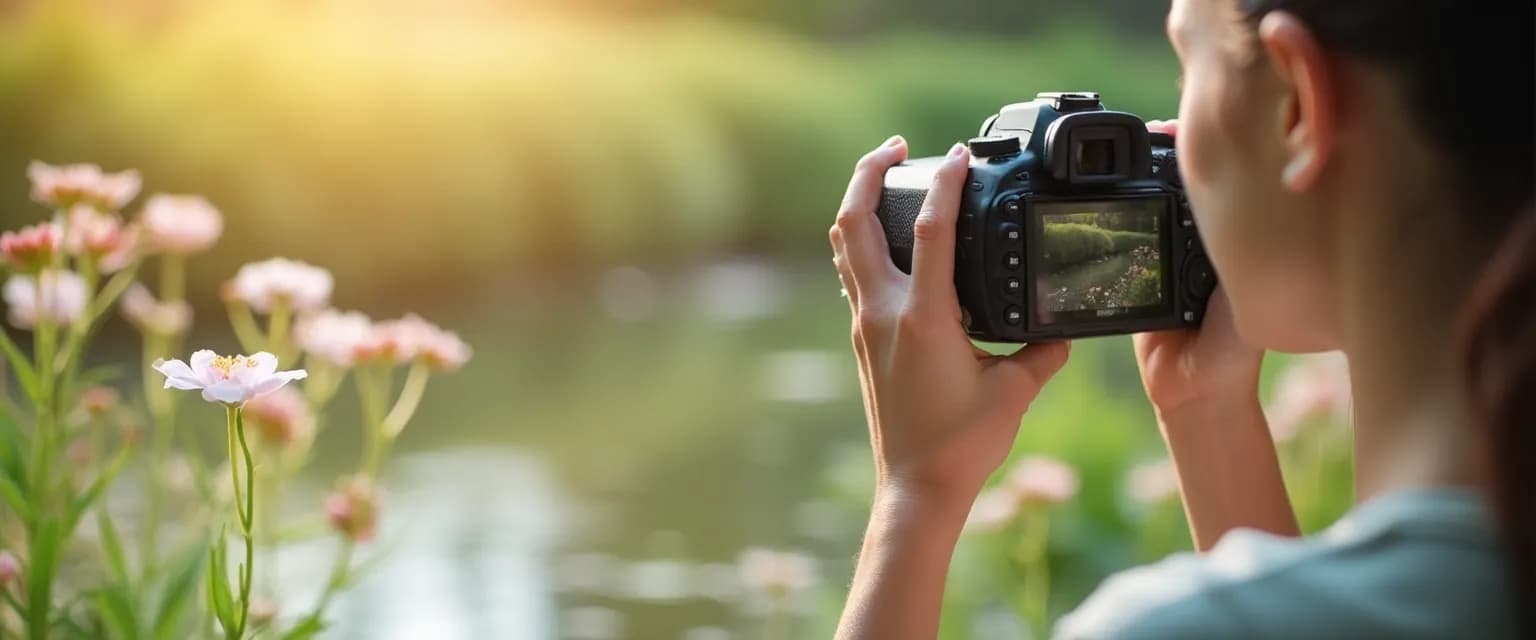
How Mindful Photography Empowers Your Mental Health Recovery Journey
Ever noticed how the simple act of taking a photo can pull you out of a mental spiral? That's the magic of mindful photography—a powerful tool that combines the present-moment awareness of mindfulness with the creative expression of photography. As someone who's struggled with racing thoughts and emotional overwhelm, I've discovered that this practice offers a unique pathway to emotional regulation strategies that doesn't require meditation cushions or lengthy sessions.
Mindful photography invites us to pause, look closely, and connect with our surroundings in a way that naturally interrupts negative thought patterns. Imagine feeling anxious about an upcoming presentation, then stepping outside with your smartphone camera and becoming completely absorbed in capturing the intricate patterns of a leaf. That shift in attention isn't just pleasant—it's neurologically significant for your wellbeing.
Research consistently shows that creative expression combined with mindfulness reduces stress hormones and activates the brain's reward pathways. What makes mindful photography particularly accessible is that it doesn't require artistic skill—just curiosity and a camera (even the one on your phone works perfectly).
The Science Behind Mindful Photography for Emotional Wellness
What happens in your brain during mindful photography is fascinating. Unlike talk therapy or journaling, photography engages visual processing centers that often remain untapped in traditional mental health approaches. This visual engagement creates a different neural pathway for processing emotions—one that bypasses the verbal centers where rumination typically occurs.
When you frame a photograph, your brain enters a state of focused attention. This state, similar to what's achieved in mindfulness techniques, interrupts the default mode network—the brain system responsible for those spiraling negative thoughts. Essentially, you can't worry about tomorrow's problems when you're completely absorbed in capturing the perfect light on a flower petal.
Studies from the field of art therapy show that creative visual expression reduces cortisol (the stress hormone) while increasing dopamine and serotonin—neurotransmitters associated with pleasure and wellbeing. What's particularly powerful about mindful photography is how it provides a sense of agency during emotional challenges. When internal experiences feel overwhelming, the external focus of photography offers a concrete way to regain control.
This practice also creates what psychologists call "psychological distance"—the ability to step back from emotions enough to observe them without being consumed. Through the lens of a camera, difficult feelings become subjects to be explored rather than threats to be avoided.
3 Simple Mindful Photography Techniques to Try Today
Ready to experience the benefits of mindful photography firsthand? These three techniques require no special equipment—just your phone camera and a curious mind:
The 'Emotion Through Color' Technique
Notice what emotion is present for you right now. Then, head outside (or even look around your room) for colors that match this feeling. Feeling anxious? Perhaps sharp yellows capture that edge. Feeling peaceful? Soft blues might resonate. Take 5-10 photos that visually represent your emotional landscape, focusing completely on the colors rather than your thoughts about them.
The 'Tiny Joys' Practice
This mindful photography exercise trains your brain to notice positive elements even during difficult times. Challenge yourself to photograph five tiny moments of beauty in your everyday surroundings—the steam rising from your coffee, sunlight through a window, or the texture of your pet's fur. This practice builds what neuroscientists call emotional awareness, strengthening neural pathways for positive attention.
The 'New Perspectives' Exercise
Choose an object you see every day—perhaps a houseplant or kitchen utensil. Now photograph it from at least seven completely different angles or distances. This mindful photography technique trains cognitive flexibility, the mental skill that helps us adapt to challenges and see situations from multiple perspectives.
Transform Your Recovery Journey Through Mindful Photography
The beauty of mindful photography lies in its simplicity and immediate impact. Even five minutes of focused photography can create a meaningful shift in your emotional state. If you're feeling stuck or overwhelmed, picking up your camera provides a concrete action step toward wellbeing.
Don't worry about artistic quality—this practice is about the process, not the product. Some days, you might capture breathtaking images; other days, your photos might be technically imperfect but emotionally significant. Both outcomes support your mental health journey.
As you incorporate mindful photography into your routine, you'll likely notice improved attention, reduced rumination, and a growing visual diary of your recovery path. This practice doesn't replace other mental health tools but enhances them, offering a refreshing approach to mindfulness that works even when traditional methods feel challenging.



