


How Self-Awareness and Personality Shape Your Inner Dialogue
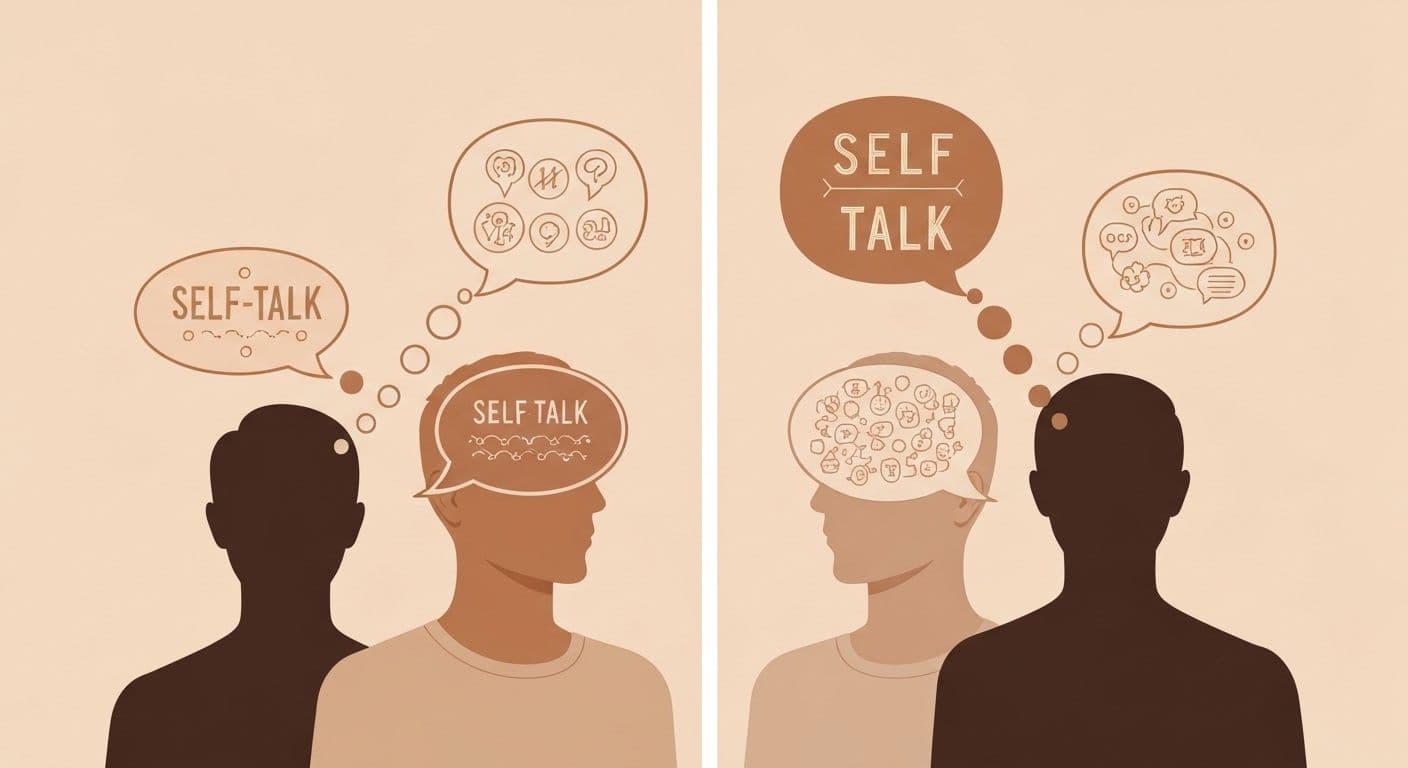
Ever notice how your inner voice seems to have a personality of its own? That's because it does—and it's shaped by your unique personality traits. Understanding the connection between self awareness personality and your internal dialogue is like discovering the control panel for your mind. Your personality doesn't just influence how you interact with the world; it fundamentally shapes the conversations you have with yourself every single day.
Here's the fascinating part: introverts, extroverts, thinkers, and feelers all develop distinctly different self-talk patterns. These patterns become so automatic that most people don't even realize their personality is running the show behind the scenes. The good news? Once you recognize how your personality drives your inner voice, you gain the power to adjust it. This isn't about changing who you are—it's about making your self awareness personality work for you instead of against you.
Think of your internal dialogue as a soundtrack playing on repeat. For some, it's analytical and problem-focused. For others, it's emotion-centered and relationship-oriented. Neither is better or worse, but each comes with its own challenges. By developing greater self awareness personality insights, you'll learn to fine-tune this soundtrack to support your emotional well-being rather than drain it.
How Self Awareness Personality Creates Your Inner Voice
Your personality type acts like a filter for your thoughts, coloring everything you tell yourself. Introverts naturally gravitate toward reflective, analytical self-talk. They process experiences internally, often replaying conversations and analyzing situations long after they've ended. This deep processing brings valuable insights, but it also creates vulnerability to overthinking spirals where the same worry loops endlessly.
Extroverts, on the other hand, process thoughts externally. Their inner dialogue tends to be more action-oriented and immediate, often jumping quickly from thought to response. While this creates energy and momentum, it sometimes leads to reactive self-talk that hasn't been fully considered. Without intentional mindfulness practice, extroverts might struggle with impulsive internal reactions.
Thinking vs Feeling Internal Dialogue
The thinking-feeling dimension creates equally distinct self awareness personality patterns. Thinking types use logical, problem-solving internal dialogue. Their inner voice asks "What makes sense here?" and "How do I fix this?" This analytical approach excels at finding solutions but sometimes dismisses emotional information as irrelevant or inconvenient.
Feeling types center their self-talk around emotions and relationships. Their inner voice asks "How does this make me feel?" and "How will this affect others?" This emotional awareness creates deep empathy and connection, but it also makes their self-talk vulnerable to emotional flooding—where feelings overwhelm objective perspective.
These personality-driven self-talk patterns become so automatic that you might not even notice them operating. Low self awareness personality means these patterns run unchecked, often creating harsh, unproductive internal conversations. The critical inner voice of an overthinking introvert sounds completely different from the impulsive self-talk of a reactive extrovert, yet both can undermine emotional well-being equally.
Practical Self Awareness Personality Techniques to Adjust Your Self-Talk
Ready to transform your inner dialogue? These personality-based techniques help you work with your natural tendencies rather than fighting against them. Each approach is designed for immediate implementation—no complicated systems or overwhelming goals required.
Introvert Self-Talk Exercises
If you're an introvert prone to overthinking, use the "thought timer" technique. When you catch yourself replaying a situation, set a mental timer for two minutes. Allow yourself that time to process, then deliberately shift focus to something concrete in your environment. This honors your need for reflection while preventing endless loops.
Another powerful strategy: externalize one thought daily. Share a worry or reflection with someone you trust. This simple act interrupts the internal echo chamber and brings fresh perspective to your self awareness personality patterns.
Extrovert Mindfulness Techniques
Extroverts benefit from creating intentional pause points. Before responding to your own thoughts, practice the "three-breath rule." Take three slow breaths before acting on an internal reaction. This builds space between impulse and response, allowing more thoughtful self-talk to emerge.
Try the "silent hour" practice once weekly. Spend sixty minutes without external stimulation, simply observing your thoughts. This strengthens your ability to develop internal reflection skills that balance your natural external processing.
Thinking Type Emotional Balance
Thinking types can enhance their self awareness personality by adding an emotional check-in to their logical analysis. After your mind offers a solution, ask: "How do I feel about this?" Don't dismiss the answer—treat emotional data as valid information alongside logical reasoning.
Feeling Type Objectivity Tools
Feeling types benefit from the "outside observer" technique. When emotions run high in your self-talk, imagine describing the situation to a neutral friend. What facts would you share? This perspective shift adds objectivity without invalidating your feelings, creating healthier internal conversations that honor both emotion and reality.
Building Greater Self Awareness Personality to Transform Your Inner Dialogue
Self awareness personality is a skill that strengthens with consistent practice. Start with a simple daily check-in: pause three times throughout your day and notice what your inner voice is saying. Don't judge it—just observe. Is it analytical or emotional? Supportive or critical? Reflective or reactive?
This observation builds the foundation for change. Understanding your personality's influence gives you the power to choose better thoughts. Your inner voice doesn't have to be a mystery or a burden—it becomes a tool you can adjust based on what you need in each moment.
Ready to transform your self-talk? The techniques you've learned today work best when you actually use them. Pick one strategy that matches your self awareness personality style and try it tomorrow. Your inner dialogue has shaped your life until now—imagine what becomes possible when you start shaping it instead.



