


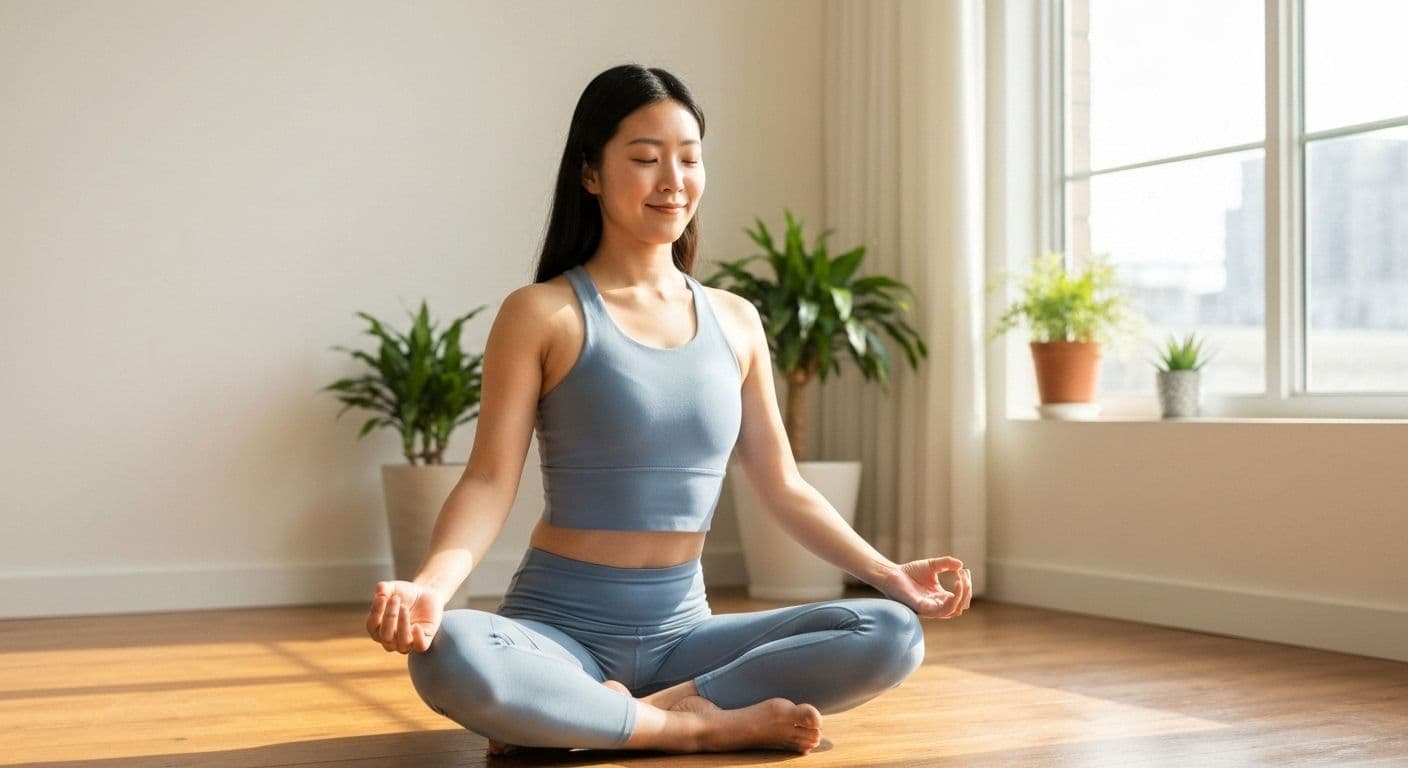
How to Build a 5-Minute Mindfulness Habit That Actually Sticks
You've probably heard that mindfulness requires at least 20 minutes of silent meditation in a peaceful space. But here's the truth: effective 5 minute mindfulness practices deliver real benefits without demanding chunks of time you don't have. Research shows that brief, consistent mindfulness sessions activate the same neural pathways as longer practices, reducing stress and improving emotional regulation. The key isn't duration—it's consistency.
Most people abandon mindfulness because they set unrealistic expectations. They imagine they need a meditation cushion, a quiet room, and a zen-like state of mind. This mental clarity approach doesn't work for busy lives. Instead, 5 minute mindfulness fits seamlessly into your existing routine, making it sustainable long-term. You're about to discover a habit-stacking method that makes daily mindfulness as automatic as brushing your teeth.
What does five minutes of daily practice actually achieve? Studies show that micro-mindfulness sessions improve focus, reduce reactivity to stress, and enhance emotional awareness. You won't achieve enlightenment, but you will notice yourself responding more thoughtfully to challenges instead of reacting impulsively. That's a game-changer for managing everyday frustrations.
The Habit-Stacking Method for Building Your 5 Minute Mindfulness Practice
Habit-stacking transforms 5 minute mindfulness from a standalone task into an automatic behavior. The concept is simple: attach your new mindfulness habit to an existing routine that already happens consistently. Instead of trying to remember to meditate at some random time, you create a trigger that reminds you naturally.
Here's how it works in practice. Choose an anchor habit—something you already do daily without thinking. Your morning coffee? Perfect. After you pour your coffee, you do 5 minute mindfulness before taking the first sip. Brushing your teeth? Right after you put down your toothbrush, you practice mindful breathing for five minutes. Sitting in your car before work? That's your cue for a quick sensory awareness practice.
The formula is straightforward: "When X happens, I do 5 minute mindfulness." This approach leverages your brain's existing neural pathways rather than creating entirely new ones. Your brain already knows when to make coffee or brush teeth, so piggybacking on these routines requires far less willpower than scheduling standalone sessions.
Choosing Your Anchor Habit
Pick an anchor that happens at the same time and place every day. Morning routines work exceptionally well because they're typically consistent. Your lunch break, your commute, or even your evening wind-down ritual all qualify as solid anchors. The critical factor is reliability—if the anchor habit happens sporadically, your 5 minute mindfulness habit will too.
Creating Your Mindfulness Trigger
Beyond the anchor itself, create environmental triggers that reinforce your new habit. Place a sticky note on your coffee maker, set your meditation cushion next to your toothbrush, or keep a reminder card in your car. These visual cues strengthen the connection between your anchor habit and your mindfulness practice, similar to how small victories create momentum for larger behavioral changes.
Simple 5 Minute Mindfulness Techniques That Work Anywhere
Complexity kills consistency. The best 5 minute mindfulness techniques require zero preparation and work in any environment. Here are three ultra-simple practices you can start today.
Breath-Focused Mindfulness
Close your eyes and count your breaths from one to ten, then repeat. When your mind wanders (it will), gently return to counting. This breath awareness technique activates your parasympathetic nervous system, reducing stress hormones within minutes. It works at your desk, in your car, or standing in line at the grocery store.
Sensory Awareness Practice
Notice five things you can see, four you can touch, three you can hear, two you can smell, and one you can taste. This quick mindfulness exercise grounds you in the present moment by engaging all your senses. It's particularly effective when you're feeling overwhelmed or anxious, providing an immediate anchor to reality.
Mindful Transitions
Use transitions between activities as 5 minute mindfulness opportunities. Before starting a new task, take five minutes to notice your physical sensations, your emotional state, and your thoughts without judgment. This practice helps you approach each activity with fresh awareness rather than carrying stress from one task to the next, much like entering a flow state requires intentional mental preparation.
Making Your 5 Minute Mindfulness Routine Stick Long-Term
Building a sustainable mindfulness habit requires more than good intentions. Environmental design matters enormously. Place visual reminders at your anchor points—a small stone on your desk, a bracelet you wear only during mindfulness, or a phone wallpaper that cues your practice. These tangible triggers maintain consistency when motivation fades.
Follow the two-day rule: never skip your 5 minute mindfulness practice twice in a row. Missing one day happens to everyone. Missing two days starts breaking the habit. If you had a setback yesterday, today becomes non-negotiable. This simple rule maintains momentum without demanding perfection.
When setbacks occur, return without judgment. Your brain is learning a new pattern, and that takes time. Instead of complex tracking systems, use simple mental check-ins. At the end of each week, ask yourself: "Did I practice more days than I didn't?" That's your only metric.
Starting small is your superpower, not a limitation. Five minutes feels manageable, so you'll actually do it. Over time, this consistent 5 minute mindfulness practice compounds, rewiring your brain's response to stress and building genuine emotional resilience. You're not looking for dramatic transformation overnight—you're creating steady, sustainable change that lasts.



