


How to Recognize When Your Child Demonstrates Self-Awareness: A Parent's Guide
Watching your child develop self-awareness is like witnessing the sunrise of consciousness—gradual, beautiful, and profoundly significant. When your child demonstrates self-awareness, they're taking crucial steps toward understanding themselves as distinct individuals with thoughts, feelings, and capabilities separate from others. This milestone forms the foundation for healthy emotional development, empathy, and social skills that will serve them throughout life.
As parents, recognizing when and how your child demonstrates self-awareness helps you respond appropriately to nurture this essential skill. Each small moment—from a baby's fascination with their reflection to a preschooler's declaration of "I can do it myself!"—represents a building block in your child's developing self-concept. Let's explore how self-awareness unfolds and how you can support this journey without creating unhealthy self-consciousness.
Children who effectively demonstrate self-awareness tend to develop stronger emotional regulation skills and more positive relationships with peers. Understanding this developmental progression gives you powerful insights into supporting your child's growing sense of self.
Age-by-Age Signs Your Child Demonstrates Self-Awareness
Self-awareness emerges in predictable patterns, though each child demonstrates self-awareness at their own pace. Here's what to look for at different stages:
Infants (0-18 months)
While babies aren't born with self-awareness, they begin laying the groundwork immediately. Your baby demonstrates self-awareness in early forms when they:
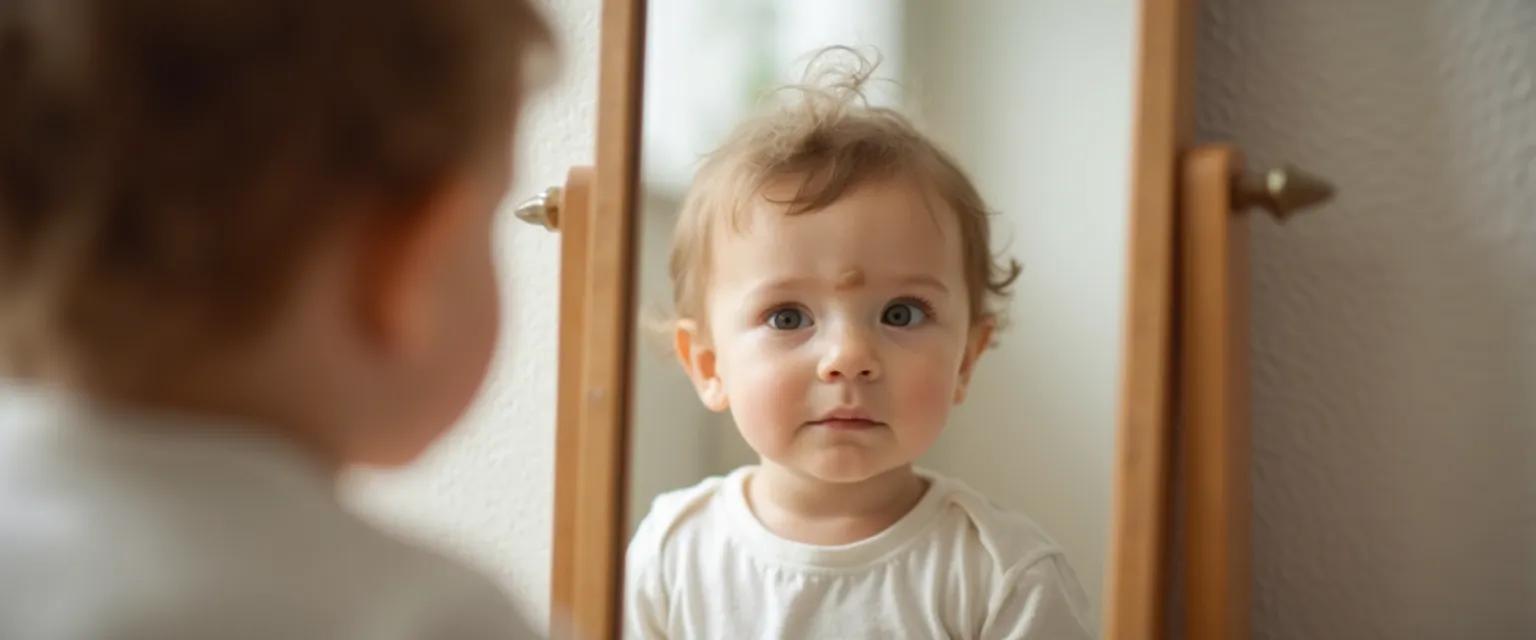
- Recognize their reflection (typically emerging around 18 months)
- Respond to their name (usually around 6-9 months)
- Show understanding that they can cause things to happen (banging toys, pushing buttons)
Toddlers (18-36 months)
This period brings explosive growth in how a child demonstrates self-awareness. Watch for:
- Using "I," "me," and "mine" correctly
- Expressing clear preferences ("I want the blue one")
- Identifying basic emotions in themselves ("I'm mad")
- Recognizing themselves in photos
Preschoolers (3-5 years)
Your preschooler demonstrates self-awareness with increasing sophistication through:
- Describing personal attributes ("I'm a fast runner")
- Understanding that others have different thoughts and feelings
- Recognizing their own strengths and limitations
- Developing awareness of how others might see them
School-Age Children (6+ years)
Older children best demonstrates self-awareness through:
- Comparing themselves to peers
- Evaluating their performance on tasks
- Identifying personality traits beyond physical attributes
- Understanding that they can present differently in different situations
Nurturing Activities When Your Child Demonstrates Self-Awareness
When you notice your child demonstrates self-awareness, these activities help strengthen this important skill:
Mirror Play and Self-Recognition
For babies and toddlers, mirror games are perfect demonstrates self-awareness techniques. Try playing peekaboo with a mirror, pointing to body parts, or making funny faces together. These simple interactions build the neural connections necessary for self-recognition.
Emotion Labeling
Help your child connect their internal experiences with language. When they demonstrate emotions, gently name them: "You seem frustrated with that puzzle." This emotional awareness becomes a cornerstone of self-awareness.
Perspective-Taking Games
For preschoolers who demonstrate self-awareness, try games that require taking another's viewpoint. Hide an object where only you can see it, then ask them to guess where you hid it. These activities strengthen their understanding of separate minds.
Specific Feedback
Rather than generic praise, offer specific observations: "You kept trying even when the tower fell down." This helps children build accurate self-perceptions based on their actual behaviors and efforts rather than external judgments.
Supporting Healthy Self-Awareness Without Creating Self-Consciousness
As your child demonstrates self-awareness, finding the right balance becomes crucial. Too much focus on self-evaluation can lead to unhealthy self-consciousness or perfectionism. These demonstrates self-awareness strategies help maintain that balance:
- Focus on process over outcome ("You worked hard on that" versus "You're so smart")
- Create safe spaces for authentic self-expression without judgment
- Model healthy self-awareness by acknowledging your own feelings and mistakes
- Balance self-reflection with outward focus on experiences and relationships
If your child seems delayed in how they demonstrate self-awareness or shows extreme self-consciousness, managing anxiety might be necessary, and consulting with a developmental specialist can provide helpful guidance.
Remember that when your child demonstrates self-awareness, they're developing a crucial life skill. By recognizing and nurturing these moments with patience and intentionality, you're helping them build a healthy relationship with themselves that will serve as the foundation for emotional well-being throughout life.



