


How to Start Mindfulness Practice Without Feeling Overwhelmed: Kabat-Zinn's Beginner Framework
Ever felt like mindfulness is just one more thing on your endless to-do list? You're definitely not alone. The good news is that mindfulness for beginners jon kabat zinn doesn't require hours of meditation or turning your life upside down. Jon Kabat-Zinn, the scientist who brought mindfulness to mainstream medicine, created a framework that makes this practice surprisingly accessible—even if you've never tried it before.
Kabat-Zinn's approach strips away the mysticism and focuses on something beautifully simple: paying attention to the present moment without judgment. His method has helped thousands of people manage stress, reduce anxiety, and find more peace in their daily lives. The best part? You can start right now, exactly where you are, with what you already have.
Let's explore how you can begin your mindfulness journey without the overwhelm, using Kabat-Zinn's proven framework that meets you where you are.
Understanding the Best Mindfulness for Beginners Jon Kabat Zinn Foundation
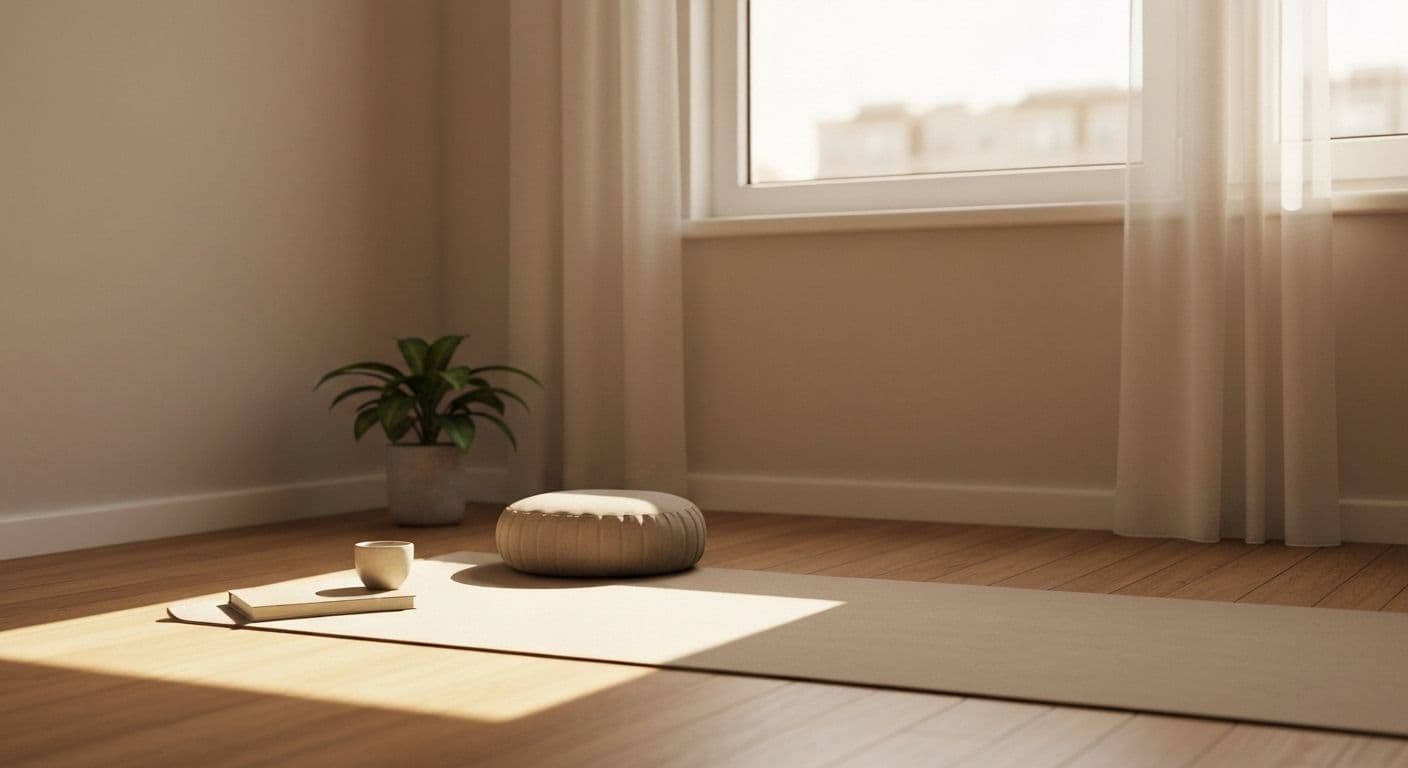
Kabat-Zinn's genius lies in making mindfulness practical. His foundational principle is simple: mindfulness means paying attention, on purpose, in the present moment, and non-judgmentally. That's it. No special cushions, no incense, no chanting required.
This approach grew from his work at the University of Massachusetts Medical School, where he developed Mindfulness-Based Stress Reduction (MBSR). He discovered that even people dealing with chronic pain could find relief by changing their relationship with their experience—not the experience itself.
The framework starts with awareness of your breath. Why? Because your breath is always with you, always happening now. It's your built-in anchor to the present moment. When you notice your mind wandering (and it will—that's completely normal), you simply guide your attention back to your breath. No judgment, no frustration, just a gentle return.
How to Mindfulness for Beginners Jon Kabat Zinn: Your First Steps
Ready to start? Kabat-Zinn's beginner framework focuses on bite-sized practices that fit into your actual life. Here's how to begin:
Start with just one minute. Seriously. Set a timer, close your eyes, and simply notice your breathing. Feel the air moving in and out. When your mind wanders to your grocery list or that awkward conversation from yesterday, gently bring it back. That's the whole practice. This micro-moment approach builds sustainable habits without overwhelming your schedule.
Once you're comfortable with one minute, try the "body scan" technique that's central to Kabat-Zinn's teaching. Lie down and slowly move your attention through different parts of your body, from your toes to the top of your head. Notice any sensations—tension, warmth, tingling—without trying to change anything. This practice helps you reconnect with physical sensations you've been ignoring.
Another accessible entry point is mindful eating. Take one meal or snack and eat it slowly, noticing colors, textures, flavors, and smells. This simple act transforms a routine activity into a practice session. Plus, it's something you're already doing anyway.
Effective Mindfulness for Beginners Jon Kabat Zinn Techniques for Daily Life
Kabat-Zinn emphasizes "informal practice"—bringing mindful awareness to everyday activities. This is where mindfulness for beginners jon kabat zinn really shines because you don't need extra time.
Try mindful walking. As you move from one room to another, feel your feet touching the ground. Notice the sensations in your legs, the movement of your body through space. You're not adding anything to your day; you're just paying attention differently.
Use transition moments as mini-practice sessions. Before starting your car, take three conscious breaths. Before opening your laptop, pause and notice how you're feeling. These brief resets accumulate throughout your day, creating pockets of presence.
Mindfulness for Beginners Jon Kabat Zinn Guide to Common Obstacles
Let's address what trips people up. The biggest misconception? That mindfulness means stopping your thoughts. Nope. Your mind is designed to think—that's its job. Mindfulness is about noticing your thoughts without getting swept away by them.
When you feel restless or bored during practice, that's not a problem—it's the practice. Notice the restlessness. Where do you feel it in your body? What does boredom actually feel like? This curiosity transforms obstacles into opportunities.
If you miss a day (or a week), that's fine. Seriously. Self-criticism is just another thought to notice. Kabat-Zinn's framework isn't about perfection; it's about returning, again and again, to the present moment. Each return strengthens your emotional awareness and resilience.
Mindfulness for Beginners Jon Kabat Zinn Strategies for Building Consistency
Consistency beats intensity every time. Kabat-Zinn recommends choosing one specific time and place for your practice. Maybe it's one minute after you wake up, or three breaths before lunch. Link your practice to something you already do daily—this creates a natural reminder system.
Track your practice simply. A checkmark on your calendar works perfectly. The goal isn't to create pressure but to notice patterns and celebrate your commitment. Even small environmental cues support habit formation.
Remember that mindfulness for beginners jon kabat zinn is a practice, not a performance. Some sessions will feel calm and focused; others will feel scattered and difficult. Both are equally valuable because you're showing up and paying attention. That's what changes your brain, reduces your stress, and opens up new ways of being with whatever life brings.



