


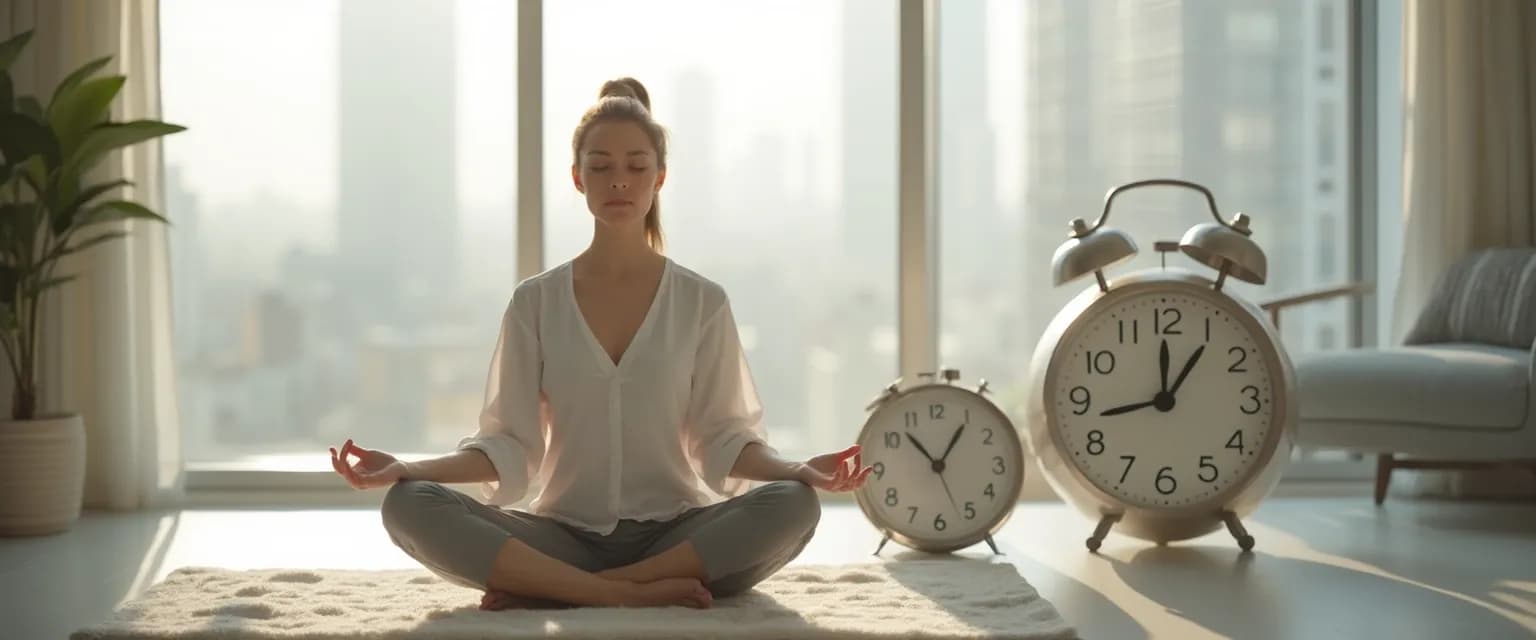
Micro-Meditation for Self-Awareness: 3-Minute Practices for Busy Lives
Ever felt like self awareness and meditation are luxuries you simply don't have time for? Between back-to-back meetings, family obligations, and the constant ping of notifications, finding 20 minutes to sit in silence seems impossible. Yet the science is clear: even micro-doses of meditation significantly boost your emotional intelligence and self-awareness—the very skills that help manage those recurring feelings of frustration and anger.
The beauty of self awareness and meditation lies in its scalability. While traditional practices might suggest lengthy sessions, research shows that even three-minute interventions create meaningful shifts in your brain's ability to process emotions. These micro-meditations work because they interrupt automatic thought patterns, creating tiny spaces where self-awareness can flourish.
Think of these practices as emotional fitness intervals—short, powerful, and surprisingly effective. Let's explore how these bite-sized moments of mindfulness can transform your relationship with challenging emotions, without requiring you to rearrange your entire schedule.
3 Powerful Self Awareness And Meditation Techniques You Can Do in Minutes
When life feels too busy for meditation, these three micro-practices deliver maximum self-awareness with minimal time investment. Each technique targets a different aspect of emotional intelligence while fitting seamlessly into your existing routine.
The 60-Second Emotional Weather Report
This self awareness and meditation practice takes just one minute but provides crucial emotional data. Pause wherever you are and ask: "What's my emotional weather right now?" Are you sunny and clear, foggy with confusion, or experiencing thunderstorms of anger?
Simply naming your emotional state activates your prefrontal cortex—the brain region responsible for emotional regulation. This mindfulness technique creates distance between you and your feelings, transforming "I am angry" into "I notice anger is present," which immediately reduces emotional intensity.
The 3-2-1 Breath Focus
When frustration builds, this structured breathing technique grounds you in seconds:
- Inhale for 3 counts, noticing where you feel the breath in your body
- Hold for 2 counts, observing any sensations or thoughts
- Exhale for 4 counts, releasing tension with each breath
Repeat three times. This brief self awareness and meditation exercise activates your parasympathetic nervous system, creating an immediate shift from reactivity to responsiveness. It's particularly effective before responding to a frustrating email or entering a challenging conversation.
The Body Scan Express
This condensed version of a classic meditation technique helps reconnect with your physical sensations—often the first warning signs of emotional reactivity:
Starting at your feet and moving upward, spend 15 seconds scanning each major body area (legs, torso, arms, head). Notice areas of tension, particularly your jaw, shoulders, and chest—common storage spots for anger and frustration. This anxiety management technique builds the awareness needed to catch emotions before they escalate.
Integrating Self Awareness And Meditation Into Your Daily Routine
The key to making self awareness and meditation stick isn't finding more time—it's strategically attaching these practices to existing parts of your day. These integration points ensure consistency without requiring additional time blocks.
Transform everyday transitions into meditation moments. The brief pauses between activities—like sitting in your car before entering your home, waiting for your coffee to brew, or the moments before joining a video call—are perfect opportunities for micro-meditation.
Try this strategy: identify three transition points in your day and assign a specific meditation technique to each. For example, use the Emotional Weather Report before morning meetings, practice 3-2-1 Breathing before lunch, and do a Body Scan Express before heading home.
Environmental cues work wonders for building consistent self awareness and meditation habits. Set your phone background as a meditation reminder, or place a small object on your desk that prompts a moment of mindfulness when noticed. These micro-rewards reinforce your practice by connecting it to things you already see daily.
Remember that consistency trumps duration with self awareness and meditation. Three minutes practiced daily creates more significant neural changes than thirty minutes practiced occasionally. Each brief practice strengthens your emotional regulation muscles, making you progressively more skilled at managing frustration and anger.
Ready to transform your relationship with challenging emotions? These micro-meditation practices prove that effective self awareness and meditation doesn't require mountain retreats or hour-long sessions—just your willingness to pause, breathe, and notice for a few minutes each day.



