


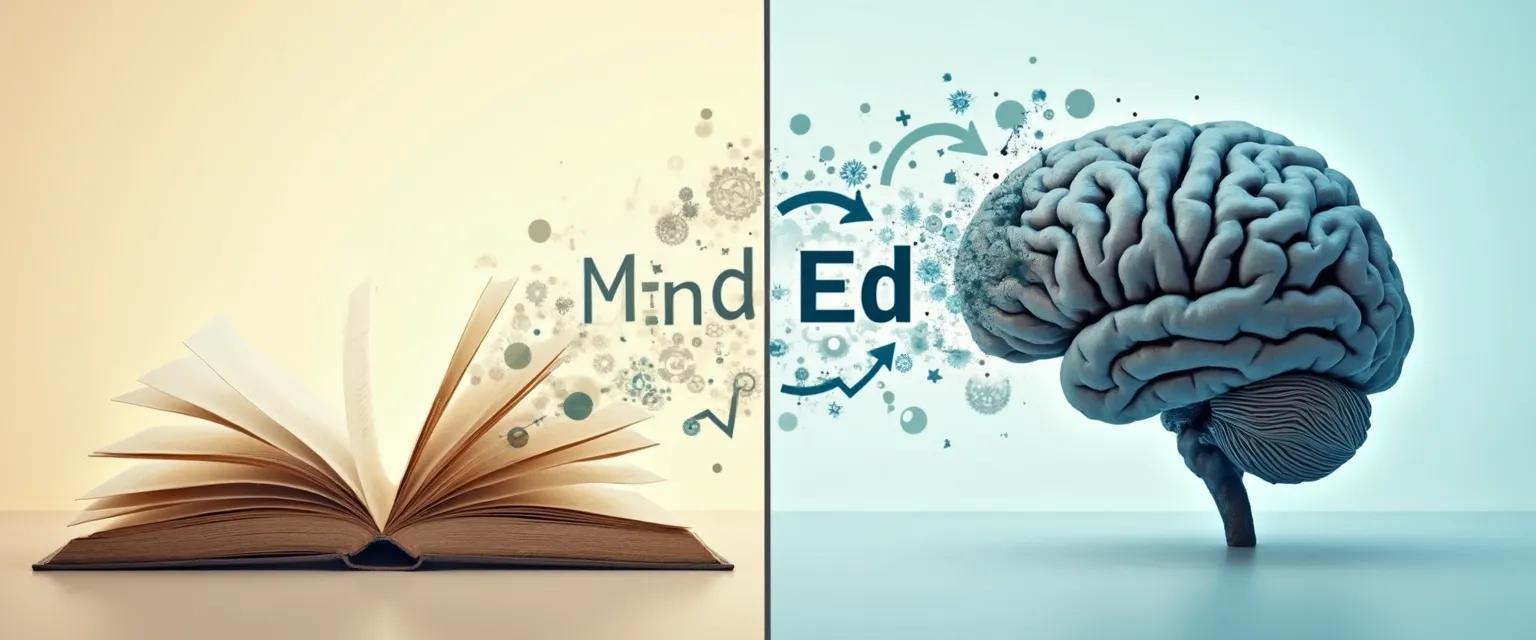
Mind Ed vs Mindset: Understanding the Key Differences for Growth
Ever noticed how we often use "mindset" and "mind ed" interchangeably, despite their fundamental differences? While both concepts relate to our mental approach to life's challenges, mind ed represents a more structured educational framework for emotional intelligence development. Understanding the distinction between these two approaches can transform how you manage emotions like frustration and anger, creating lasting positive change in your daily interactions.
Mind ed focuses on the educational aspects of emotional awareness—teaching you specific techniques to recognize, understand, and regulate emotional responses. Unlike traditional mindset work that often emphasizes positive thinking alone, mind ed provides concrete tools for emotional intelligence growth. This distinction matters because effective emotional regulation requires both the right attitude and the right education about our emotional patterns.
The best mind ed approaches combine scientific understanding with practical application, giving you both the "why" and "how" of emotional mastery. When you're feeling overwhelmed by intense emotions, having these mind ed tools readily available makes all the difference.
What Is Mind Ed and How Does It Transform Emotional Intelligence
Mind ed represents an educational approach to emotional awareness that goes beyond simply adopting a positive attitude. It's about learning the science of your emotions and developing specific skills to navigate them effectively. Think of mind ed as emotional literacy—learning to read, understand, and respond to your emotional landscape with greater precision and effectiveness.
The science behind effective mind ed techniques reveals that emotional regulation is a skill that can be taught and developed, not just a natural talent some people possess. Neuroplasticity research shows that consistent application of mind ed practices actually rewires neural pathways, making emotional regulation progressively easier over time.
What makes mind ed different from traditional self-help approaches is its focus on educational components rather than motivational messages alone. While motivation matters, mind ed provides the actual knowledge and techniques needed for sustainable change. It's the difference between being inspired to manage your emotions better versus actually learning how to do so.
Real-world applications of mind ed appear in daily emotional challenges—like when you're stuck in traffic and feel anger rising. With proper mind ed training, you recognize the physical sensations of anger, identify the thought patterns fueling it, and apply specific regulation techniques that bring you back to center.
Mind Ed vs Fixed Mindset: Breaking Through Emotional Barriers
One of the most powerful aspects of mind ed is how it helps overcome fixed thinking patterns about emotions. Many people believe their emotional reactions are unchangeable—"I'm just an angry person" or "I can't help getting frustrated." Mind ed challenges these limiting beliefs by demonstrating how emotional responses are learned patterns that can be modified through proper education and practice.
Developing emotional flexibility is a core component of mind ed strategies. This flexibility allows you to respond to situations rather than react automatically. For example, when faced with criticism, mind ed techniques help you pause, assess the situation objectively, and choose a constructive response rather than defaulting to defensiveness.
Practical mind ed strategies for transforming frustration and anger include techniques like emotional labeling, pattern interruption, and perspective-shifting exercises. These aren't just theoretical concepts but actionable tools you can apply in the moment when emotions run high.
You know you're successfully applying mind ed principles when you notice a growing gap between emotional stimuli and your response—what psychologists call the "response space." This space gives you the freedom to choose how you want to respond rather than being driven by automatic emotional reactions. You'll also notice improved emotional self-regulation in situations that previously overwhelmed you.
Implementing Mind Ed for Lasting Emotional Growth
Ready to incorporate mind ed into your daily life? Start with simple practices like the 90-second rule—acknowledging that most emotional chemicals clear from your bloodstream in about 90 seconds if you don't feed them with repetitive thoughts. This mind ed technique helps you ride out emotional waves rather than getting caught in them.
Measuring progress in your mind ed journey involves tracking how quickly you recover from emotional upsets and how effectively you apply regulation techniques in real-time. Many find that keeping a simple emotion log helps identify patterns and improvement over time.
Mind ed offers a more sustainable approach to emotional wellness because it combines education with practice, creating both understanding and skill. Rather than quick fixes, mind ed builds lasting emotional intelligence that serves you across all life situations. Ready to take your mind ed practice deeper? Focus on consistent application of these techniques in everyday moments—that's where the real transformation happens.



