


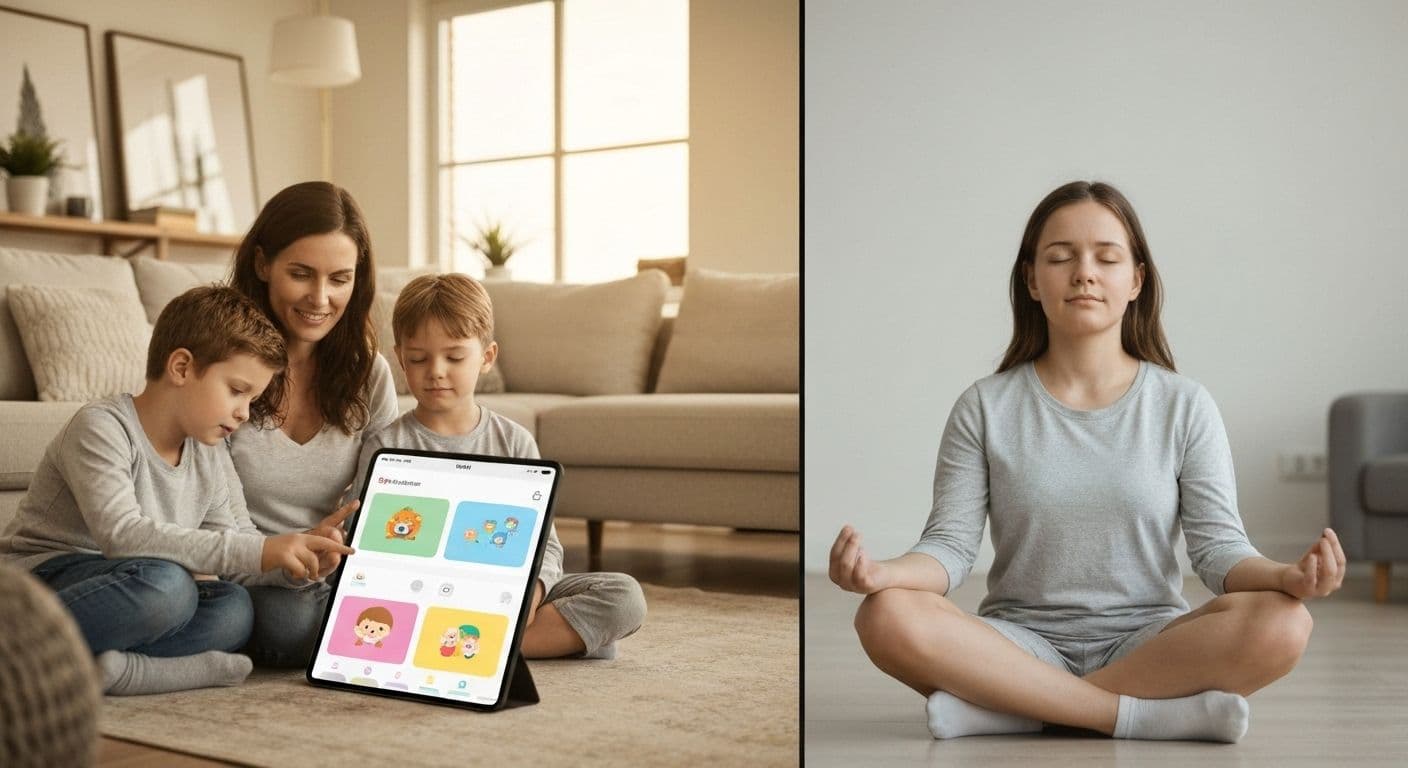
Mind Yeti vs. Traditional Meditation: Which Works for Busy Families?
Picture this: It's Tuesday morning, and you're already running late. Your six-year-old is bouncing off the walls, your tween is glued to a screen, and you're frantically searching for car keys while mentally reviewing your work deadlines. Sound familiar? For busy families drowning in schedules and stress, finding a mindfulness practice that actually sticks feels impossible. Enter two very different approaches: mind yeti, the modern guided mindfulness app designed specifically for families, and traditional meditation with its ancient roots and silent practice. Both promise calmer kids and more centered parents, but which one actually works when you've got exactly seven minutes before the school bus arrives?
The truth is, not all mindfulness tools are created equal when you're juggling family life. Mind yeti and traditional meditation take fundamentally different paths toward the same destination: helping your family manage stress and build emotional awareness. While traditional meditation asks everyone to sit quietly and focus inward, mind yeti uses engaging storytelling and guided sessions that meet kids exactly where they are. Understanding these differences helps you choose the approach that your family will actually use consistently, rather than abandoning after three frustrated attempts.
How Mind Yeti Differs from Traditional Meditation for Family Life
The most striking difference between mind yeti and traditional meditation is the time commitment and structure. Mind yeti offers short, guided mindfulness sessions ranging from five to fifteen minutes, while traditional meditation typically requires twenty to thirty minutes of sustained, often silent practice. For families where every minute counts, this distinction matters enormously. You can squeeze in a mind yeti session during breakfast or right before bedtime without restructuring your entire schedule.
Mind yeti also uses a storytelling approach that captures children's imagination rather than fighting against it. Instead of asking kids to sit perfectly still and clear their minds—a nearly impossible task for most young children—mind yeti guides them through adventures and scenarios that naturally build mindfulness skills. Traditional meditation requires the kind of sustained focus that even adults find challenging, making it frustrating for kids under ten. This accessibility factor explains why many families have better success with small, manageable practices rather than lengthy meditation sessions.
Another key difference lies in when and where each approach fits into family routines. Mind yeti sessions work beautifully during natural transitions: that chaotic moment before leaving for school, after arriving home, or during the bedtime wind-down. Traditional meditation needs dedicated quiet time and space, which busy families rarely have consistently available. Mind yeti provides structure and variety through different themed sessions, keeping kids engaged week after week, while traditional meditation builds one consistent practice that requires more discipline to maintain.
The learning curve also differs significantly. Mind yeti requires zero prior knowledge or training—you simply press play and follow along. Traditional meditation often involves learning specific techniques, understanding proper posture, and developing the skill of redirecting wandering thoughts, which creates barriers for families just starting their mindfulness journey.
Real Scenarios Where Mind Yeti and Traditional Meditation Each Excel
Let's get practical about when each approach shines. Mind yeti wins hands-down during rushed mornings when kids are restless and you need something quick that actually works. It's perfect for families brand new to mindfulness who need guidance and structure. If you have children of varying ages, mind yeti's engaging format keeps both the five-year-old and the nine-year-old interested simultaneously—something traditional meditation rarely achieves.
Traditional meditation excels in different situations. Teenagers seeking deeper personal practice often find mind yeti too childish and prefer the autonomy of silent meditation. Parents wanting their own stress management strategies may gravitate toward traditional meditation for personal growth beyond family practice. Building long-term habits that extend into adulthood often requires the foundation that traditional meditation provides.
Mind yeti particularly excels at making mindfulness feel like fun rather than another chore for resistant kids. When children push back against "meditation time," mind yeti's adventure-based approach bypasses that resistance entirely. Traditional meditation works better for those wanting customizable, unguided silent practice without any external structure or narration.
Here's a powerful insight: you don't have to choose just one. Many successful families use mind yeti for their children's daily routine while parents maintain their own traditional meditation practice. This combination approach honors different developmental needs while building a family culture around mindfulness.
Choosing the Right Mindfulness Approach for Your Family with Mind Yeti
Ready to decide which approach fits your family? Consider these factors: your children's ages, how much time you realistically have available, how resistant your kids are to "quiet time," and what you're hoping to achieve. Mind yeti works best when consistency matters more than perfection in households where schedules are packed and attention spans are short.
Here's your action step: commit to trying mind yeti for two weeks during just one daily transition time—maybe right after school or during the pre-bedtime routine. Track how your family responds. Do mornings feel calmer? Are bedtimes less chaotic? This practical test reveals more than any comparison article ever could.
Remember, the "better" approach isn't the one that sounds most impressive or traditional—it's the one your family will actually use consistently. A five-minute mind yeti session that happens every day beats a thirty-minute traditional meditation practice that gets abandoned after a week. Similar to how small daily habits create lasting change, even brief mind yeti sessions compound into meaningful stress reduction over time. Start where you are, use what works, and celebrate the fact that your family is building mindfulness skills at all—that's what truly matters.



