


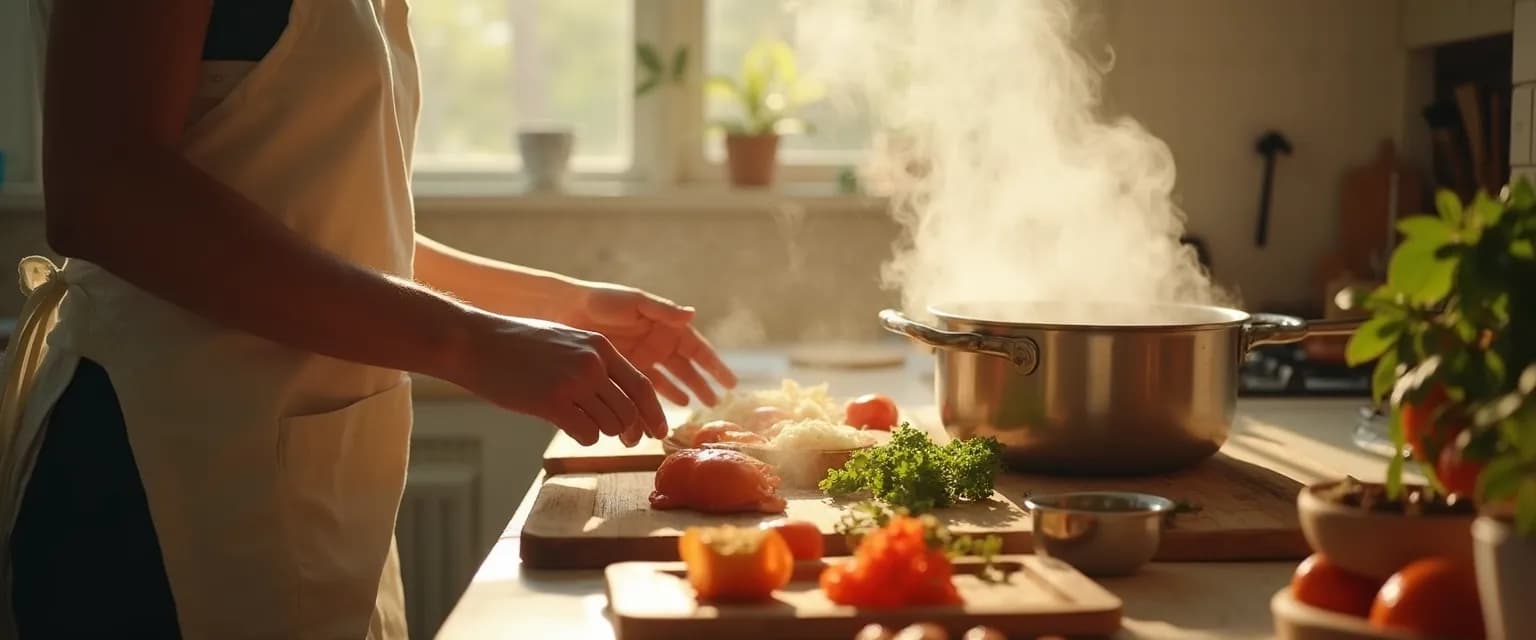
Mindful Cooking: Essential Mindfulness Tools for Kitchen Zen
The sizzle of vegetables hitting a hot pan. The rhythmic motion of chopping herbs. The aroma of garlic slowly roasting. Your kitchen isn't just a place for meal prep—it's an untapped sanctuary for practicing mindfulness. By incorporating mindfulness tools into your cooking routine, you transform a potentially stressful daily task into a meditative practice that nourishes both body and mind. These mindfulness tools don't require special equipment or extra time—just your attention and willingness to be present while creating your next meal.
Science confirms what many intuitive cooks already know: mindful activities reduce stress hormones while boosting feel-good neurotransmitters. The repetitive actions in cooking create perfect opportunities to practice presence. When we apply mindfulness tools to cooking, we shift from autopilot to awareness, turning a mundane chore into a multisensory experience that grounds us in the present moment.
Ready to discover how your cutting board can become a meditation cushion? Let's explore practical mindfulness techniques that transform kitchen stress into culinary calm.
Essential Mindfulness Tools for Sensory Cooking
The kitchen engages all five senses simultaneously, making it the perfect environment to practice sensory awareness—one of the most powerful mindfulness tools available. Start by taking three deep breaths before you begin cooking. This simple reset signals to your brain that you're transitioning into a mindful cooking session.
Next, try the "first touch" practice. Before cutting into that tomato or kneading dough, pause to fully experience its texture, temperature, and weight. This momentary connection creates an anchor for present-moment awareness that continues throughout your cooking process.
The sounds of cooking offer another opportunity for mindfulness. Instead of drowning out kitchen noises with music or podcasts, try using these sounds as mindfulness tools. The bubbling of a simmering pot, the crisp snap of breaking lettuce—these become auditory anchors bringing you back to the present when your mind wanders.
Transform repetitive tasks into meditation through movement. When chopping vegetables, focus completely on the rhythm of the knife. Notice the sensation in your hands, the resistance of the food, the sound of the blade against the cutting board. This turns a basic task into a brain-boosting activity that improves focus while reducing stress.
Your sense of smell offers perhaps the most powerful mindfulness tool in the kitchen. When adding herbs or spices, close your eyes for a moment and inhale deeply. This simple act grounds you in the present while enhancing your cooking through more attentive seasoning.
Practical Mindfulness Tools to Reduce Kitchen Stress
The kitchen often becomes a place of hurry and pressure. Counteract this with the "threshold pause"—a three-second mindfulness tool used before entering your cooking space. Stand at the kitchen entrance, take three conscious breaths, and set an intention for your cooking session. This tiny pause creates a mental shift from rushing to presence.
Embrace single-tasking instead of multitasking chaos. Research shows that focusing on one cooking step at a time not only produces better food but also reduces stress. When your attention scatters to three different dishes simultaneously, gently guide it back to the task at hand—a core mindfulness tool that builds focus muscles.
Practice mindful transitions between cooking steps. When moving from chopping to sautéing, take a single conscious breath. This micro-moment of awareness prevents the automatic rushing that creates kitchen stress.
Incorporate gratitude as a powerful mindfulness tool while preparing food. With each ingredient you add, mentally acknowledge its origin and the chain of events that brought it to your kitchen. This shifts your perspective from obligation to appreciation, transforming cooking from chore to privilege.
Integrating Mindfulness Tools Into Your Daily Cooking Ritual
Start small by choosing just one mindfulness tool to practice during your next cooking session. Perhaps it's breath awareness while chopping or sensory focus while tasting. With consistent practice, these mindfulness tools become automatic, transforming your entire relationship with cooking.
Extend your mindfulness practice from cooking to eating by taking the first bite in complete silence, noticing flavors, textures, and your body's response. This creates a seamless mindfulness experience from preparation to consumption.
Remember that mindful cooking isn't about perfection but presence. Some days, you'll find yourself deeply immersed in sensory awareness; other days, your mind will wander constantly. Both experiences are valuable parts of developing your mindfulness tools repertoire. The kitchen becomes your daily meditation studio, offering opportunities to practice presence while creating nourishment for yourself and others—a double serving of well-being through these accessible, practical mindfulness tools.



