


Mindful Self-Awareness vs Self-Criticism: Know the Difference
You've been trying to be more self-aware lately. You catch yourself snapping at a colleague and think, "There I go again, always being so impatient. What's wrong with me?" You feel that familiar knot in your stomach—the one that shows up when you're "working on yourself." But here's the twist: that harsh inner voice isn't mindful self awareness at all. It's self-criticism wearing a self-improvement disguise. The confusion between these two mindsets is incredibly common, and it's keeping you stuck in patterns of shame rather than growth. Understanding the difference between genuine mindful self awareness and destructive self-criticism changes everything about how you approach emotional wellness.
This mix-up happens because both involve turning your attention inward. Both require noticing your thoughts, emotions, and behaviors. But that's where the similarity ends. The distinction between compassionate observation and harsh judgment determines whether you'll actually grow or just feel worse about yourself. Let's explore how to recognize the difference and shift toward mindfulness techniques that actually support your wellbeing.
The Key Differences Between Mindful Self-Awareness and Self-Criticism
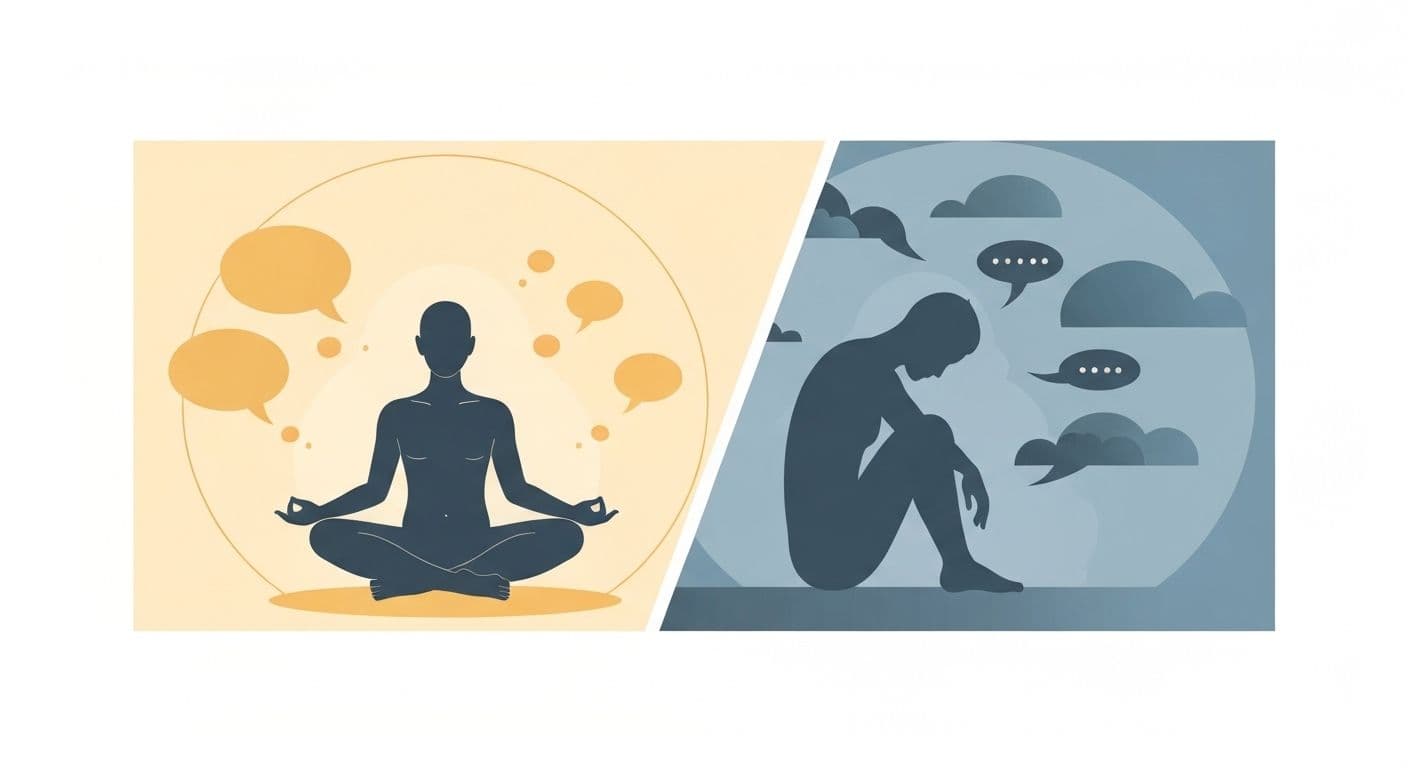
Mindful self awareness operates from a place of curiosity and compassion. When you practice genuine self-awareness, you observe your patterns like a friendly scientist gathering data. You might notice, "I feel tension in my shoulders when I'm on deadline" or "I tend to withdraw when I feel overwhelmed." There's no judgment attached—just information.
Self-criticism, on the other hand, assigns blame and attacks your character. It sounds like: "I'm such a disaster under pressure" or "I always ruin relationships by shutting down." Notice how self-criticism uses absolute language and makes sweeping statements about who you are as a person.
Language Patterns of Each Mindset
The words you use reveal which mindset you're in. Mindful self awareness uses phrases like "I notice," "I'm experiencing," or "This pattern shows up when." Self-criticism relies on "I should," "I'm so stupid," "I never," and "I always." One describes behavior; the other attacks identity.
Emotional Responses as Indicators
Pay attention to how you feel after your inner dialogue. Mindful self awareness creates a sense of relief, clarity, or openness—even when you're acknowledging something difficult. Self-criticism triggers shame, anxiety, and that heavy feeling of being fundamentally flawed. Your emotional response tells you which path you're on.
How to Recognize When Mindful Self-Awareness Crosses Into Self-Criticism
Your body often signals the shift before your mind catches up. When observation slides into criticism, you might notice your chest tightening, your jaw clenching, or a wave of heat spreading through your body. These physical sensations accompany the shame response that self-criticism triggers.
Watch for specific language red flags. The words "should," "must," and "have to" usually indicate you've moved from awareness into judgment. Similarly, "always" and "never" statements signal you're no longer observing specific behaviors but making global attacks on your character. These absolutes shut down the curiosity that genuine stress management requires.
Warning Signs Checklist
Notice if you're experiencing tension, dread, or that sinking feeling of being "bad." These emotions indicate criticism rather than awareness. Genuine mindful self awareness feels lighter, even when addressing challenging patterns.
Self-Check Questions
Ask yourself: "Would I say this to a friend?" If your inner dialogue sounds harsher than what you'd offer someone you care about, you've crossed into self-criticism territory. Another helpful question: "Am I learning something useful, or just beating myself up?" This distinction helps you course-correct quickly.
Practical Techniques to Shift From Self-Criticism to Mindful Self-Awareness
Ready to build genuine mindful self awareness? Start with the Observer Exercise. When you notice yourself being self-critical, imagine stepping back mentally. Picture yourself as a kind observer watching your thoughts float by like clouds. This creates space between you and your thoughts, reducing their emotional charge.
Try language reframing in real-time. When you catch yourself thinking, "I'm terrible at handling conflict," pause and reframe: "I notice I feel anxious during disagreements." The shift from identity attack to behavioral observation opens up possibilities for building confidence and change.
Observer Exercise Technique
Practice the 3-second pause before responding to yourself. When that critical voice starts up, count to three and ask, "What would compassionate awareness sound like right now?" This brief interruption disrupts automatic criticism patterns.
Language Reframing Examples
Build your mindful self awareness habits by using "I notice" statements throughout your day. "I notice I'm feeling frustrated" instead of "I'm being so impatient again." This simple linguistic shift changes your entire relationship with your inner experience.
Body-Based Awareness Practices
Ground yourself with quick body scans when you feel criticism taking over. Notice your feet on the floor, your breath moving in and out, the temperature of your hands. This anchors you in non-judgmental present-moment awareness rather than harsh mental commentary.
Developing genuine mindful self awareness takes practice, but the payoff is enormous. You'll find yourself responding to setbacks with curiosity rather than shame, creating space for real growth. Ready to strengthen your self-awareness practice with science-backed tools? Ahead offers personalized support for building these essential skills into your daily life.



