


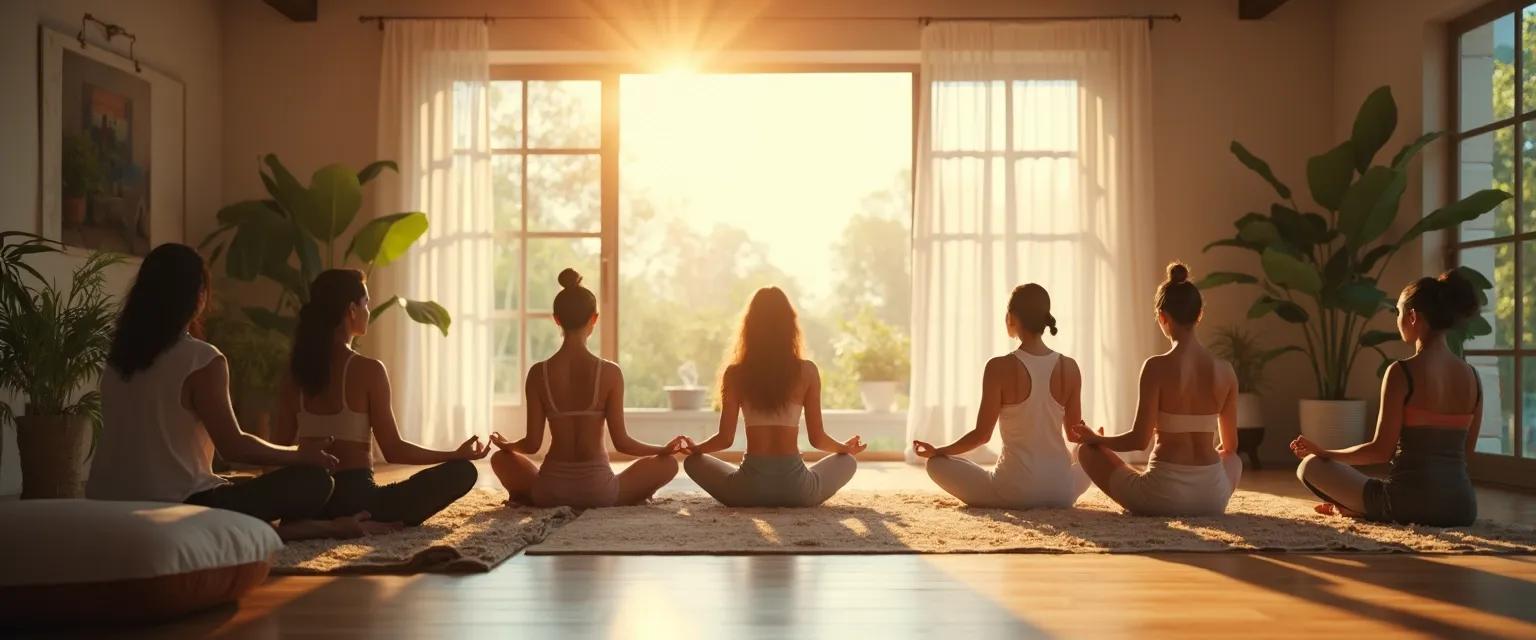
Mindfulness Center vs Home Practice: Finding Your Perfect Balance
Deciding between a mindfulness center and your living room for your practice isn't just about convenience—it's about creating the right environment for your emotional growth. As mindfulness continues to gain mainstream acceptance, more people are discovering how dedicated mindfulness centers offer unique advantages for managing emotions like anger and frustration. Finding the right balance between community support and solo practice can dramatically improve your ability to stay present and regulate emotional responses.
The mindfulness center experience provides structure that many find essential for developing consistent practice. These specialized spaces are designed specifically to minimize distractions and maximize focus—something your home, with its laundry piles and notification-happy devices, might struggle to offer. Whether you're just beginning your mindfulness journey or looking to deepen an established practice, understanding when to seek community support can make all the difference in your emotional regulation skills.
Let's explore how to determine when a mindfulness techniques practice benefits from the structure of a center versus when home practice serves you better, and how to create the perfect combination of both.
When a Mindfulness Center Provides the Edge You Need
The accountability factor alone makes a mindfulness center worth considering. When you've committed to showing up at a specific time and place—and perhaps even paid for a class—you're significantly more likely to follow through. This external commitment structure helps establish consistency, which neuroscience shows is crucial for creating the neural pathways that make mindfulness a natural response to stress.
Expert guidance represents another compelling reason to visit a mindfulness center. Trained instructors provide real-time feedback on your technique and posture—corrections that can dramatically improve your practice. When dealing with challenging emotions like anger, having an experienced guide helps you navigate difficult mental terrain safely and effectively.
The science behind community practice is particularly fascinating. Research shows that practicing mindfulness in groups actually amplifies its benefits. This "co-regulation" effect happens when our nervous systems synchronize with others around us who are in calm, focused states. For those struggling with emotional regulation, this group effect at a mindfulness center can jumpstart your ability to find calm more quickly.
Many mindfulness centers also offer specialized programs targeting specific challenges like anger management, anxiety reduction, or stress reduction techniques. These targeted approaches provide tools specifically designed for your particular emotional hurdles—something generic apps or videos might miss.
Balancing Mindfulness Center Visits with Home Practice
The most effective approach combines structured mindfulness center sessions with consistent home practice. Think of the center as your training ground and home as where you apply what you've learned. This hybrid approach lets you benefit from expert guidance while building self-sufficiency.
To transfer techniques from a mindfulness center to home, start small. Choose one simple practice that resonated with you during your center visit—perhaps a three-minute breathing exercise—and commit to doing it daily at home. Many mindfulness centers provide take-home materials specifically designed to support this transition.
Technology can bridge the gap between mindfulness center visits. Many centers now offer digital resources that complement in-person learning. These might include guided meditations recorded by your instructor or micro-progress tracking tools that help maintain momentum between visits.
Certain signs clearly indicate when it's time to seek mindfulness center support. If you find yourself consistently skipping home practice, feeling stuck on the same challenges, or noticing your emotional regulation isn't improving, community support could provide the breakthrough you need. Similarly, during particularly stressful life periods, the structure of a mindfulness center offers stability when your personal practice might otherwise falter.
The ultimate goal isn't becoming dependent on a mindfulness center, but rather using these supportive environments strategically to develop skills you can apply anywhere. The most resilient practitioners know when to lean on community resources and when to trust their independent practice.
Whether you choose a dedicated mindfulness center, a home-based approach, or a thoughtful combination of both, remember that consistency matters more than perfection. The mindfulness center experience can provide valuable structure and guidance, especially when you're working through challenging emotions like anger or frustration. By recognizing when you need additional support, you'll develop a sustainable practice that serves your emotional well-being for years to come.



