


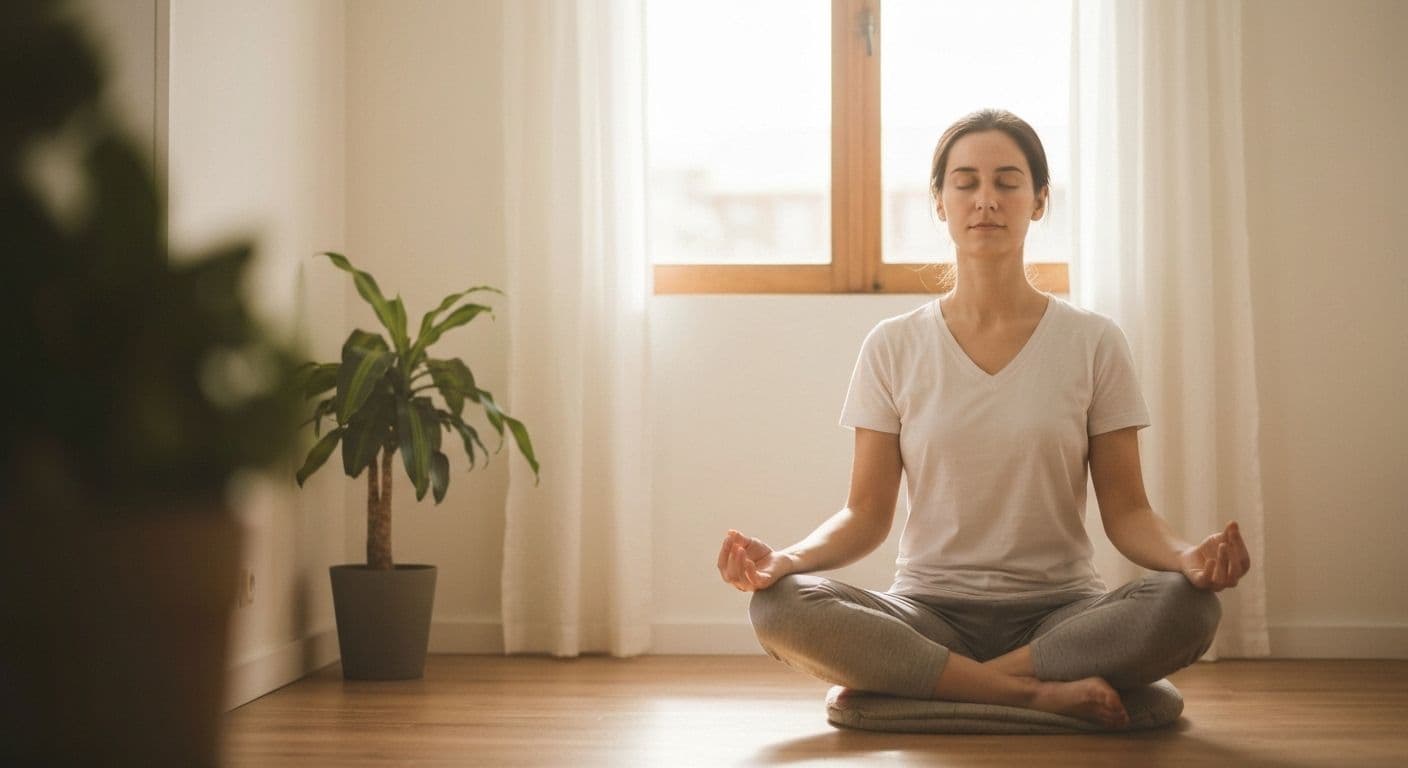
Mindfulness for Beginners: How to Start Your Practice Today
Starting mindfulness for beginners might feel intimidating, especially if you've heard you need to "clear your mind" completely. Here's the truth: mindfulness isn't about emptying your brain or achieving some zen-like state of nothingness. It's actually about paying attention to what's happening right now—your thoughts, feelings, and sensations—without judging them as good or bad. Think of it as becoming a friendly observer of your own experience rather than getting swept away by every thought that pops up.
If you're wondering how to start mindfulness for beginners, you're already taking the first step by being curious. Your mind will wander during practice—that's completely normal and expected. In fact, noticing when your mind has wandered and gently bringing it back is the practice itself. Your first week of beginner mindfulness doesn't require perfection; it simply asks for a few minutes of your time each day. Ready to see what this looks like in real, doable terms? Let's break down exactly how to begin your mindfulness techniques journey without overwhelm.
Setting Up Your Mindfulness for Beginners Practice Space
Good news: you don't need a meditation cushion, special incense, or a perfectly quiet room to start your mindfulness for beginners practice. Your existing space works just fine. Look for a spot where you feel reasonably comfortable—maybe a chair in your bedroom, a corner of your couch, or even your desk chair during lunch break.
The key elements for starting mindfulness at home are surprisingly simple: a place to sit comfortably (your feet can touch the ground), minimal distractions for a few minutes, and a way to track time. Your phone timer works perfectly—just set it and place it face-down so you're not tempted to peek. If background noise is a concern, early morning or before bed often offers quieter windows, but complete silence isn't necessary for effective beginner mindfulness.
Minimal Equipment Needed
All you truly need for mindfulness for beginners is yourself and 2-5 minutes. That's it. A comfortable seated position helps (whether on a chair, cushion, or couch), but lying down works too if sitting feels uncomfortable. Skip the pressure to create an Instagram-worthy meditation space—your practice happens in your mind, not your decor.
Finding Quiet Time in a Busy Schedule
The best time for your beginner meditation space is whenever you'll actually do it. Morning offers a fresh mind, lunch provides a midday reset, and evening helps you decompress. Start with just one consistent time slot, and remember that two minutes of actual practice beats zero minutes of perfect planning.
Your First Week of Mindfulness for Beginners: Daily Techniques
Let's map out your first week with specific, simple mindfulness techniques you'll actually use. Each day builds gently on the last, giving you a solid foundation in beginner mindfulness exercises without overwhelming your schedule.
Breath Awareness Basics
Days 1-2 focus on breath awareness—the cornerstone of mindfulness for beginners. Set your timer for just two minutes. Sit comfortably, close your eyes if that feels okay, and notice your breathing. You're not trying to breathe in any special way; just observe the natural rhythm. Feel the air moving in and out. When your mind wanders (and it absolutely will), gently notice that it wandered and return attention to your breath. That moment of noticing? That's the practice working.
Body Scan for Newcomers
Days 3-4 introduce a simple body scan technique. Extend your practice to three minutes. Starting at your feet, mentally "scan" up through your body, noticing any sensations—tension, warmth, tingling, or even numbness. You're not trying to change anything, just noticing what's there. This first week of mindfulness teaches you that awareness itself is valuable, even without fixing or changing sensations.
Mindful Observation Exercises
Days 5-7 bring in your senses with mindful observation. Pick one sense each session—maybe sounds around you, or physical sensations of your hands resting in your lap. Spend 3-5 minutes simply noticing these sensory experiences. This variation of simple mindfulness techniques helps you realize that presence exists in everyday moments, not just formal practice.
Common Mindfulness for Beginners Challenges and How to Navigate Them
The biggest concern people have with starting a mindfulness routine? "My mind won't stop thinking!" Here's what science tells us: your mind is designed to think. Expecting zero thoughts is like expecting your heart to stop beating. Research shows that mind-wandering happens constantly—even experienced practitioners notice their minds drifting. The difference is they've practiced the gentle redirect more often.
Managing Wandering Thoughts
When you notice beginner meditation problems like racing thoughts, that noticing is actually success. You became aware. That awareness is the entire point of mindfulness for beginners. Each time you redirect your attention, you're strengthening your mental flexibility, similar to how small consistent actions build momentum in other areas of life.
Building Consistency
Physical discomfort and fidgeting are common mindfulness challenges. If sitting still feels impossible, try shorter sessions or incorporate gentle movement. Missing a day doesn't derail your practice—just start again tomorrow. Progress in mindfulness for beginners looks like showing up regularly, not achieving perfect stillness. Ready to experience the benefits of consistent mental practices? Your first week starts now, with just two minutes and wherever you're sitting right now.



