


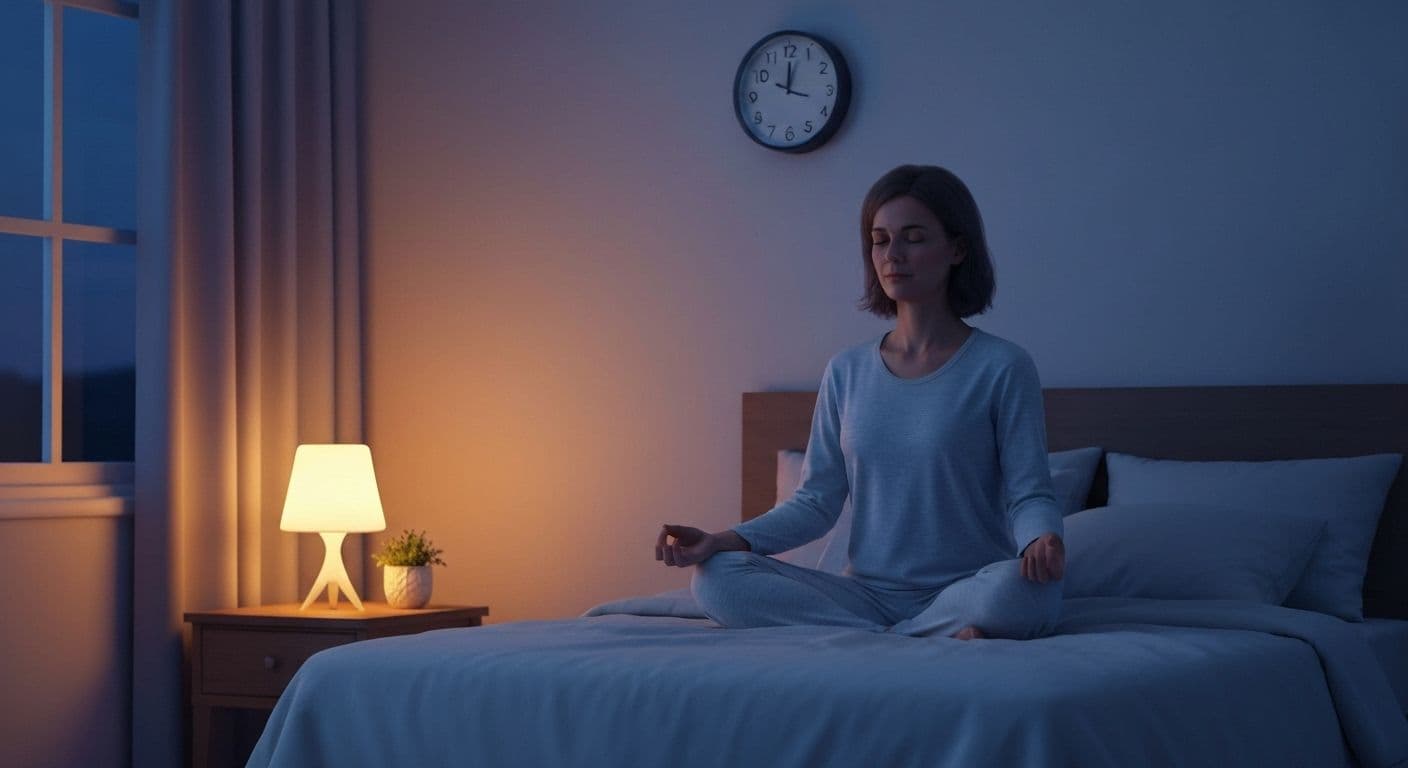
Mindfulness Meditation for Sleep and Anxiety: 5-Minute Guide for Parents
It's 2am and you're staring at the ceiling, mentally rehearsing tomorrow's carpool schedule while simultaneously worrying about your toddler's upcoming doctor's appointment. Sound familiar? As a busy parent, your brain doesn't come with an off switch—especially when you finally have a moment to rest. The constant mental juggling of responsibilities, combined with the physical exhaustion of parenting, creates a perfect storm for sleep problems and anxiety. Here's the good news: mindfulness meditation for sleep and anxiety offers a practical solution that doesn't require hours of your already-packed day. Just five minutes of targeted practice tonight can help you reclaim the restful sleep you desperately need. This isn't about adding another overwhelming task to your to-do list—it's about giving yourself a simple, science-backed tool that fits seamlessly into your chaotic evening routine and delivers real results for sleep better tonight.
Why Mindfulness Meditation for Sleep and Anxiety Works for Exhausted Parents
The connection between mindfulness meditation for sleep and anxiety relief isn't just wellness hype—it's rooted in solid neuroscience. When you practice mindfulness, you activate your parasympathetic nervous system, which essentially tells your body to shift from "survival mode" to "rest mode." This biological switch lowers cortisol levels, the stress hormone that keeps you wired when you should be winding down. For parents whose minds race with thoughts about permission slips, meal planning, and whether you remembered to reply to that teacher's email, this matters immensely.
Here's what makes mindfulness meditation for sleep and anxiety particularly effective: it interrupts the vicious cycle where anxiety prevents sleep, and poor sleep amplifies anxiety. Your brain learns a new pattern—one where you can observe worried thoughts without getting swept away by them. Research shows that even brief meditation for better sleep sessions create measurable improvements in sleep quality within just two weeks. You don't need to become a meditation expert or carve out large chunks of time. The beauty of these practices is their accessibility—five focused minutes before bed creates more impact than hours of restless tossing and turning.
Many parents worry they're "too tired" or "too distracted" for meditation to work. Actually, that exhausted, scattered state is exactly when these anxiety management techniques prove most valuable. You're not trying to achieve perfect mental silence—you're simply training your brain to settle down naturally.
5-Minute Mindfulness Meditation Techniques for Sleep and Anxiety Relief
Ready to try practical mindfulness meditation for sleep and anxiety methods tonight? These bedtime meditation techniques require nothing but your attention and a few quiet minutes.
Breathing Techniques for Immediate Calm
Start with the 4-7-8 breathing exercise, a powerful tool to reduce anxiety before bed. Breathe in through your nose for four counts, hold for seven counts, then exhale slowly through your mouth for eight counts. Repeat this cycle four times. This pattern activates your relaxation response by increasing oxygen flow and slowing your heart rate. The counting also gives your busy parent-brain something concrete to focus on instead of tomorrow's worries.
Body-Based Mindfulness for Sleep Preparation
Once you're lying in bed, try this abbreviated body scan. Starting at your toes, notice any tension and imagine breathing warmth into that area. Move up through your legs, torso, arms, and finally your face and jaw—areas where parents often hold stress. This quick mindfulness practice takes about three minutes and signals your body that it's safe to release the day's tension. Unlike traditional body scans that can take 20 minutes, this version respects your limited time while delivering real benefits.
Managing Anxious Thoughts at Bedtime
When parenting worries flood your mind, use the "thought observation" technique. Picture each anxious thought as a cloud drifting across the sky—you notice it, acknowledge it exists, then watch it float away without grabbing onto it. This mindfulness meditation for sleep and anxiety approach helps you break the pattern of rumination that keeps you awake. You're not suppressing worries or forcing positive thinking; you're simply practicing a new relationship with your thoughts.
Here's a bonus strategy: incorporate mini-meditations during day transitions. Take three conscious breaths after buckling kids into car seats or while waiting for the coffee maker. These micro-practices, similar to building small daily habits, prepare your nervous system for easier nighttime settling. You're essentially training your brain throughout the day to access calm more readily when bedtime arrives.
Making Mindfulness Meditation for Sleep and Anxiety a Sustainable Habit
Building sustainable sleep habits with mindfulness doesn't require perfection—it requires consistency over intensity. Start by attaching your bedtime mindfulness routine to an existing habit, like brushing your teeth. After you finish your dental routine, do your 4-7-8 breathing right there in the bathroom. This "habit stacking" makes the practice automatic rather than another thing to remember.
When you have a setback—because life with kids guarantees interrupted routines—skip the guilt. One missed night doesn't erase your progress. Notice subtle improvements like falling asleep slightly faster or waking fewer times during the night. These small wins matter more than dramatic transformations. Track how you feel after using these quick mindfulness practices rather than demanding instant sleep perfection.
Ready to experience better sleep tonight? Choose just one technique from this guide and try it as you settle into bed. The best mindfulness meditation for sleep and anxiety is the one you'll actually use. For more personalized mindfulness tools designed specifically for your busy life, explore strategies that fit your schedule and support your emotional well-being beyond bedtime. Your journey toward more restful nights starts with this single five-minute commitment to yourself.



