


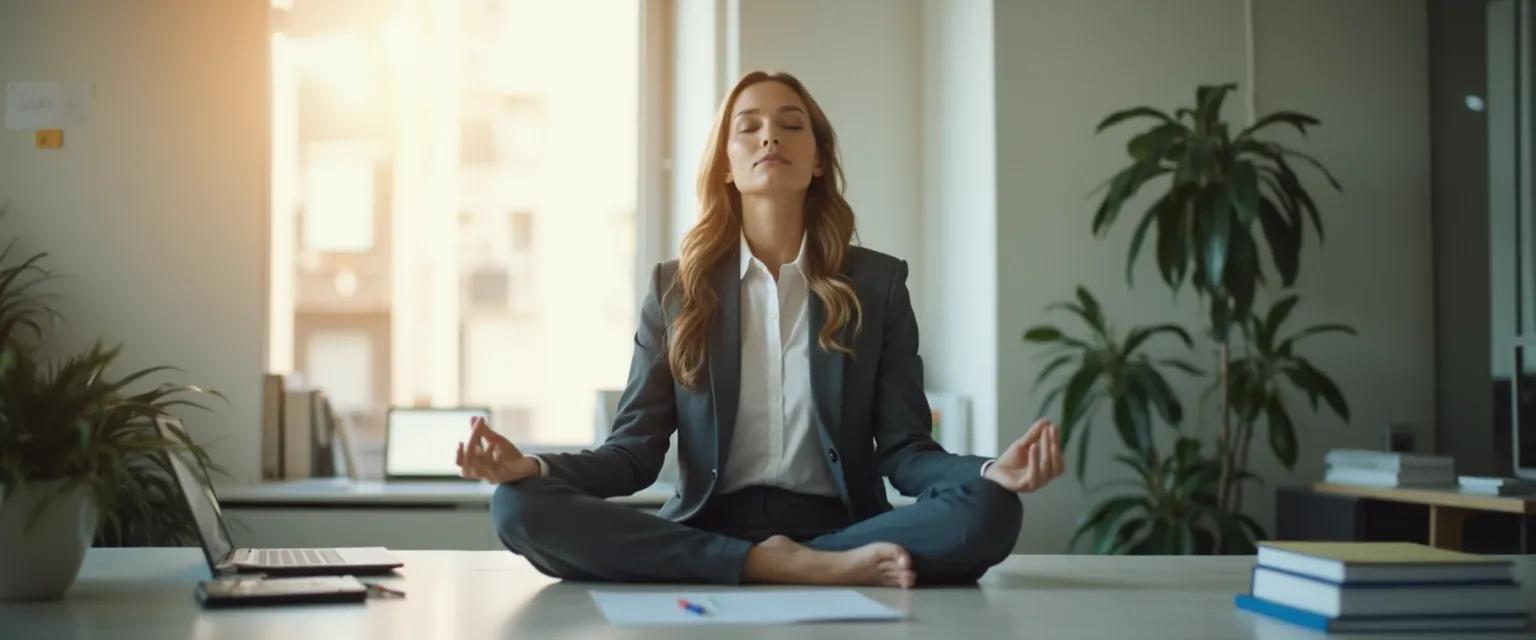
No-Nonsense Mindfulness in Plain English for Busy Professionals
Feeling overwhelmed by the idea of mindfulness? You're not alone. Between back-to-back meetings, endless emails, and constant notifications, finding time for mindfulness in plain English—without the spiritual jargon—seems impossible. Traditional mindfulness approaches often recommend 30-minute meditation sessions or yoga classes that simply don't fit into your packed schedule.
But here's the good news: mindfulness in plain English doesn't require special cushions, incense, or even much time. It's about bringing awareness to everyday moments using practical, no-nonsense techniques. This guide offers straightforward mindfulness in plain English strategies designed specifically for professionals who need efficiency without sacrificing effectiveness. These breathing techniques and exercises take just minutes to implement but deliver substantial benefits to your focus, stress levels, and overall well-being.
Ready to cut through the fluff and discover how mindfulness in plain English actually works in a professional setting? Let's explore practical techniques that fit seamlessly into your workday—no spiritual awakening required.
Quick Desk-Based Mindfulness in Plain English Techniques
The beauty of mindfulness in plain English lies in its simplicity. These desk-friendly techniques require zero special equipment and fit perfectly between tasks:
The 3-Breath Reset
Between meetings or tasks, take three deliberate breaths. On the first breath, notice your body's position. On the second, relax your shoulders and jaw. On the third, set an intention for your next activity. This micro-routine for calm takes less than 20 seconds but creates a mental boundary between activities.
Object Awareness
Choose any object on your desk—a pen, paperclip, or coffee mug. For 60 seconds, examine it as if seeing it for the first time. Notice its weight, texture, temperature, and details. This mindfulness in plain English exercise anchors you to the present moment and refreshes mental fatigue.
The 5-Minute Body Scan
Set a discreet timer for five minutes. Starting at your feet, bring attention to each body part, noticing sensations without judgment. This mindfulness in plain English technique reduces accumulated tension and improves posture—especially helpful after hours of screen time.
Task Transformation
Turn routine tasks into mindfulness opportunities. When walking to get water, focus entirely on the sensation of walking. While typing, notice the feeling of keys under your fingers. These mindfulness in plain English moments integrate awareness into activities you're already doing.
Mindfulness in Plain English During Your Commute
Transform travel time from stress to reset with these commute-friendly mindfulness in plain English exercises:
Audio-Free Awareness
Instead of immediately reaching for podcasts or music, spend five minutes in silence. Notice sounds around you without labeling them as "annoying" or "pleasant." This mindfulness in plain English practice develops non-judgmental awareness that carries into work interactions.
Traffic Light Breathing
When stopped at red lights, take three deep breaths. This turns frustrating moments into opportunities for calm. For public transportation, use stops or stations as reminders to check in with your breath and posture.
Arrival Ritual
Before entering your workplace, take 30 seconds to set an intention for your day. This mindfulness in plain English technique creates a psychological boundary between commuting and working modes.
Integrating Mindfulness in Plain English Into Your Professional Life
Building sustainable mindfulness habits doesn't require drastic lifestyle changes:
Mindful Triggers
Link brief mindfulness moments to existing habits. Each time you receive an email notification, take one conscious breath before responding. When your phone rings, pause for a moment before answering. These mindfulness in plain English triggers build awareness throughout your day.
The 1% Approach
Start with just 1% of your day—about 15 minutes—dedicated to mindfulness in plain English practices. Break this into five three-minute sessions between tasks. This approach makes consistency achievable, which research shows is more important than duration.
Measure What Matters
Notice how mindfulness in plain English techniques affect specific professional outcomes: Are you interrupting colleagues less? Making fewer errors in emails? Feeling less drained after difficult conversations? These concrete benefits reinforce your practice.
Remember that mindfulness in plain English doesn't require spiritual beliefs or hours of meditation. These straightforward techniques integrate seamlessly into your professional life, improving focus and reducing stress without disrupting productivity. By starting with these simple practices, you'll discover that mindfulness in plain English is actually one of the most practical skills a busy professional can develop.



