


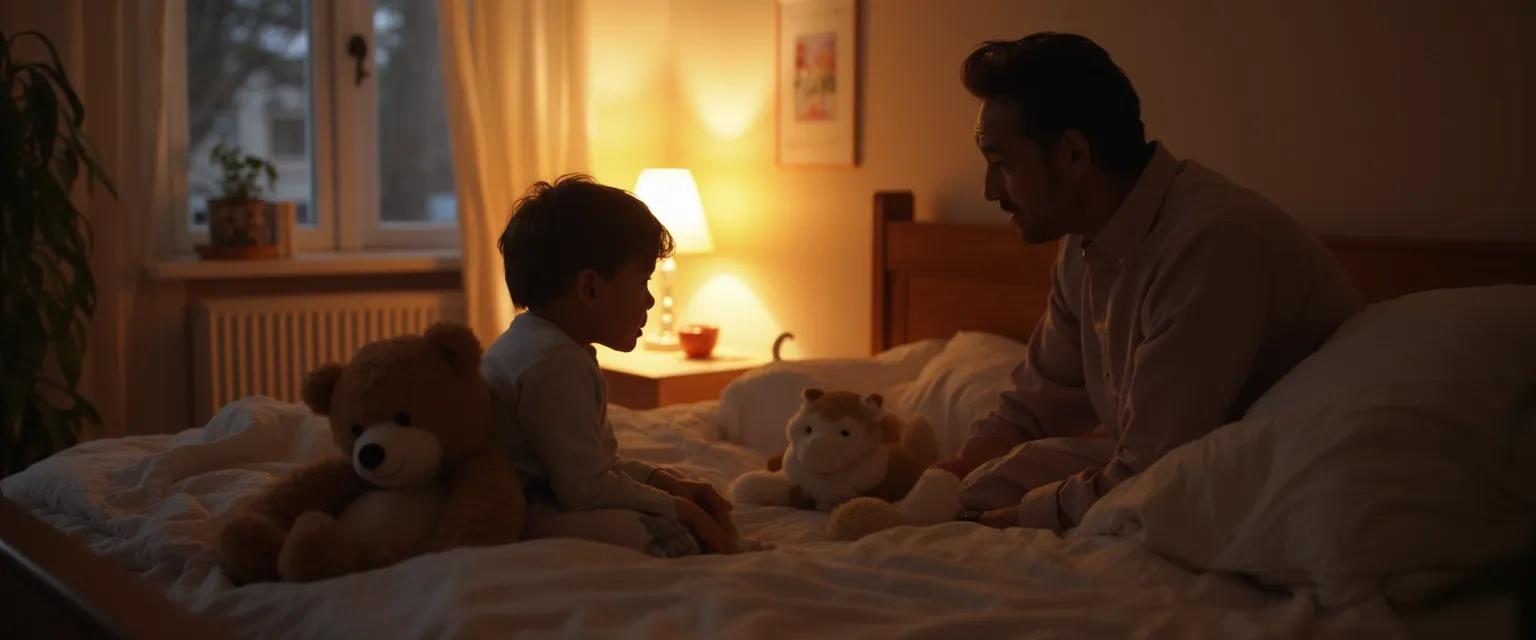
Nurturing Self-Awareness for Preschoolers Through Bedtime Conversations
Bedtime offers a magical window for nurturing self awareness for preschoolers. As little ones wind down from busy days of exploration and play, their minds enter a reflective state perfect for gentle conversations about feelings and experiences. These quiet moments create the ideal environment for parents to help young children develop essential emotional intelligence skills that will benefit them throughout life.
Self awareness for preschoolers isn't just about recognizing emotions – it's about helping children understand themselves in relation to their world. When children develop this awareness early, they gain valuable tools for managing emotional challenges and building healthier relationships. The bedtime routine, with its predictable structure and intimate setting, provides the perfect opportunity for these meaningful exchanges.
Research shows that children who develop strong self-awareness during preschool years demonstrate greater empathy, better problem-solving skills, and more effective emotional regulation. By incorporating simple self-reflection questions into your nightly routine, you're laying groundwork for lifelong emotional intelligence – all while strengthening your parent-child bond.
Age-Appropriate Self Awareness For Preschoolers: Bedtime Conversation Starters
Creating effective self awareness for preschoolers begins with questions they can actually understand and answer. The key is using simple, concrete language focused on their immediate experiences rather than abstract concepts. Start with questions about the tangible parts of their day:
- "What made you smile today?"
- "Was there something that felt hard today?"
- "Who did you play with at school?"
- "How did your body feel during our walk?"
These questions invite preschoolers to recognize and name their experiences without pressure. Over time, you can introduce slightly more reflective questions that encourage deeper self awareness for preschoolers:
- "When you felt sad today, what helped you feel better?"
- "What was your brave moment today?"
- "How did your body feel when you were excited about the playground?"
The beauty of bedtime conversations is that they happen in a safe, loving space. When preschoolers feel secure, they're more likely to share authentic thoughts and feelings. This emotional safety is essential for developing genuine self-confidence and awareness.
Remember that preschoolers often communicate better through stories. Try framing questions around characters: "How do you think the bunny in our story felt when he found his carrot?" This indirect approach often helps children express feelings they might struggle to identify in themselves.
Building Consistent Self Awareness Routines For Preschoolers
The most effective self awareness for preschoolers develops through consistency. Rather than making these conversations feel like formal lessons, weave them naturally into your existing bedtime routine – perhaps between bath time and story time, or right after reading a book.
Keep these conversations brief – preschoolers have limited attention spans, especially when tired. A 2-3 minute exchange is often perfect. The goal isn't exhaustive self-analysis but rather planting seeds of reflection that will grow over time.
Many parents find that using a special stuffed animal or puppet enhances these conversations. For example, "Mr. Bear wants to know what made you feel proud today." This technique provides emotional distance that helps some preschoolers express feelings more comfortably.
Parents play a crucial role in modeling self-awareness. Sharing age-appropriate reflections about your own day demonstrates healthy emotional expression: "I felt frustrated when I spilled my coffee this morning, but taking a deep breath helped me calm down." This modeling of emotional regulation shows preschoolers that all feelings are acceptable and manageable.
Nurturing Your Preschooler's Self Awareness Journey
The self awareness for preschoolers you nurture today lays groundwork for emotional intelligence that will serve them throughout life. Children who develop strong self-awareness during these formative years typically demonstrate better social skills, more effective problem-solving abilities, and greater resilience when facing challenges.
These simple bedtime conversations create neural pathways that support emotional recognition and regulation. Though the exchanges may seem brief and sometimes silly, they're building critical life skills in these developing minds.
Ready to begin tonight? Start with just one simple question about something enjoyable from your preschooler's day. Listen attentively, respond with warmth, and watch as these small moments gradually build powerful self awareness for preschoolers that will benefit them for years to come.



