


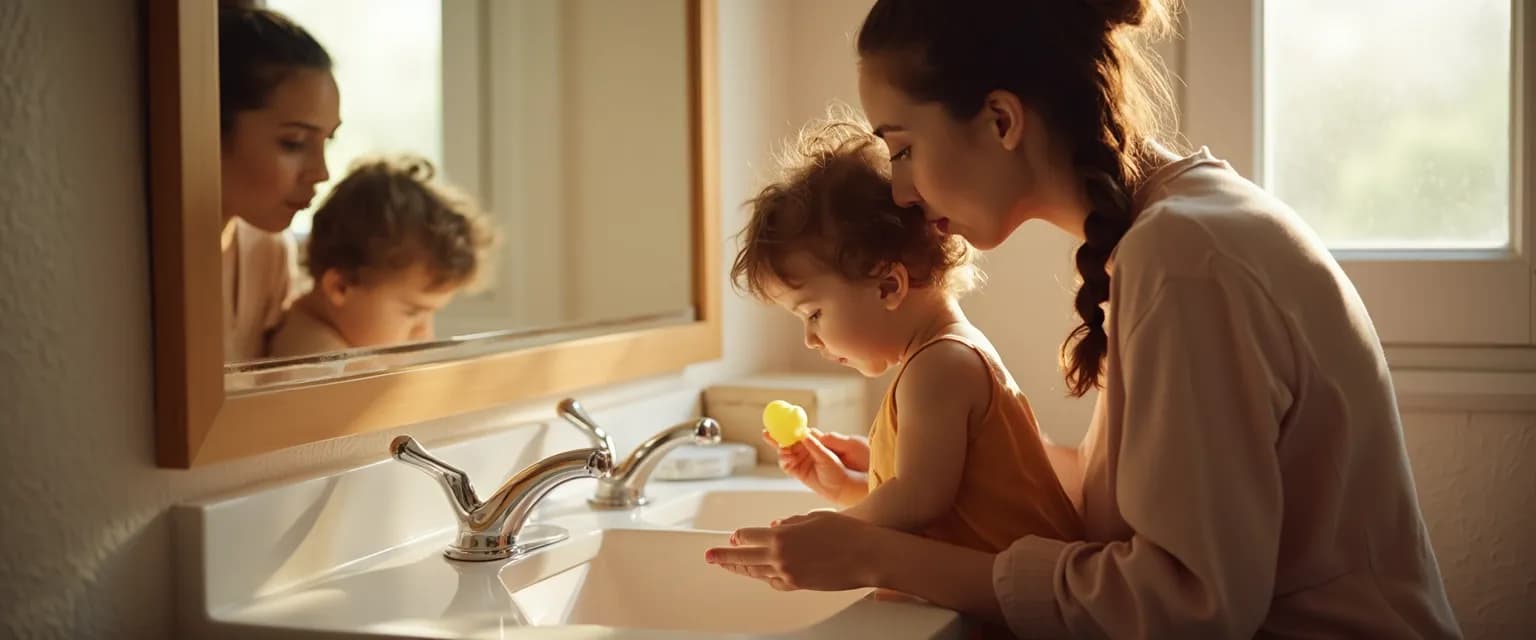
Nurturing Self-Awareness in Preschoolers Through Daily Routines
Ever noticed how your preschooler becomes fascinated by their own reflection or proudly announces "I did it!" after mastering a new skill? These moments showcase budding self-awareness in preschoolers, a critical foundation for emotional intelligence and social development. While many parents believe fostering self-awareness requires special activities or dedicated "teaching time," the truth is much simpler: your everyday routines already provide perfect opportunities for this essential growth. These daily interactions create natural learning moments where children can develop deeper understanding of themselves and their emotions.
Self-awareness in preschoolers develops gradually through consistent, supportive interactions. During these formative years, children are naturally curious about themselves and their capabilities. By intentionally incorporating awareness-building moments into regular routines, parents can significantly enhance their child's emotional intelligence development without adding extra tasks to busy schedules. Let's explore how ordinary moments can transform into extraordinary opportunities for nurturing self-awareness in preschoolers.
Mealtime Moments: Building Self-Awareness in Preschoolers
Meals provide perfect opportunities to develop self-awareness in preschoolers through conversations about preferences, choices, and bodily signals. When you ask "Are you still hungry or is your tummy full?" you're teaching your child to recognize internal cues – a fundamental aspect of self-awareness. These simple prompts help children connect with their physical sensations and make decisions based on their needs.
Try creating a "taste adventure" by introducing new foods alongside familiar ones. Ask open-ended questions like "How does this make your tongue feel? Is it crunchy or soft?" This encourages preschoolers to develop vocabulary for their sensory experiences. You might also introduce a simple rating system: "Do you love it, like it, or is it not your favorite today?" This helps children recognize and articulate their preferences without judgment.
Another effective technique involves modeling your own mindful eating. Narrate your experience occasionally: "I'm noticing I feel full now, so I'll stop eating even though there's food left." This demonstrates mindful awareness techniques that preschoolers naturally absorb. Remember, the goal isn't perfect nutrition but developing self-awareness in preschoolers through food interactions.
Bath Time Techniques for Enhancing Preschooler Self-Awareness
Bath time creates a sensory-rich environment perfect for developing self-awareness in preschoolers. The combination of water, bubbles, toys, and undivided attention makes this routine especially conducive to awareness-building games. Start by naming body parts as you wash them, gradually shifting from simple identification ("Let's wash your knees") to sensation-based descriptions ("Does the washcloth feel soft or scratchy on your arms?").
Water play naturally encourages cause-and-effect understanding. When your preschooler pours water from one container to another or watches a toy float versus sink, they're learning about how their actions influence their environment. Enhance this by asking questions like "What happens when you push the boat underwater? Why do you think it comes back up?"
Bath time also provides excellent opportunities for emotional awareness development. Create a simple "feelings check-in" by asking "How did your heart feel today? Did anything make it happy? Did anything make it feel sad?" This helps preschoolers connect with their emotional experiences in a low-pressure environment. For extra engagement, use bath crayons to draw simple emotion faces on the tub wall and discuss them.
Bedtime Rituals That Strengthen Self-Awareness in Preschoolers
Bedtime offers precious opportunities for reflection and connection that naturally enhance self-awareness in preschoolers. The winding-down period creates a perfect atmosphere for gentle conversation about the day's experiences. Try implementing a simple "Three Things" ritual where you each share three moments from your day – something that made you happy, something challenging, and something you're looking forward to tomorrow.
Incorporate brief body awareness exercises by guiding your child to notice how different parts feel: "Let's see if your feet are sleepy yet... how about your hands?" This helps preschoolers develop the ability to scan their physical sensations – a foundational self-regulation skill that supports emotional well-being.
Story selection provides another avenue for enhancing self-awareness in preschoolers. Choose books featuring characters experiencing various emotions, then pause occasionally to ask, "Have you ever felt like this character? What made you feel that way?" These connections between stories and personal experiences help children recognize and name their own emotional states, strengthening their self-awareness vocabulary.
By weaving these simple awareness-building moments into everyday routines, parents create continuous opportunities for developing self-awareness in preschoolers without adding pressure or formal instruction. These natural interactions become the building blocks for emotional intelligence that will serve children throughout their lives. The beauty lies in their simplicity – no special equipment or expertise required, just your loving attention and a few thoughtful questions woven into the routines you already share.



