


People With No Self Awareness: Why Your Friend Won't Accept Feedback
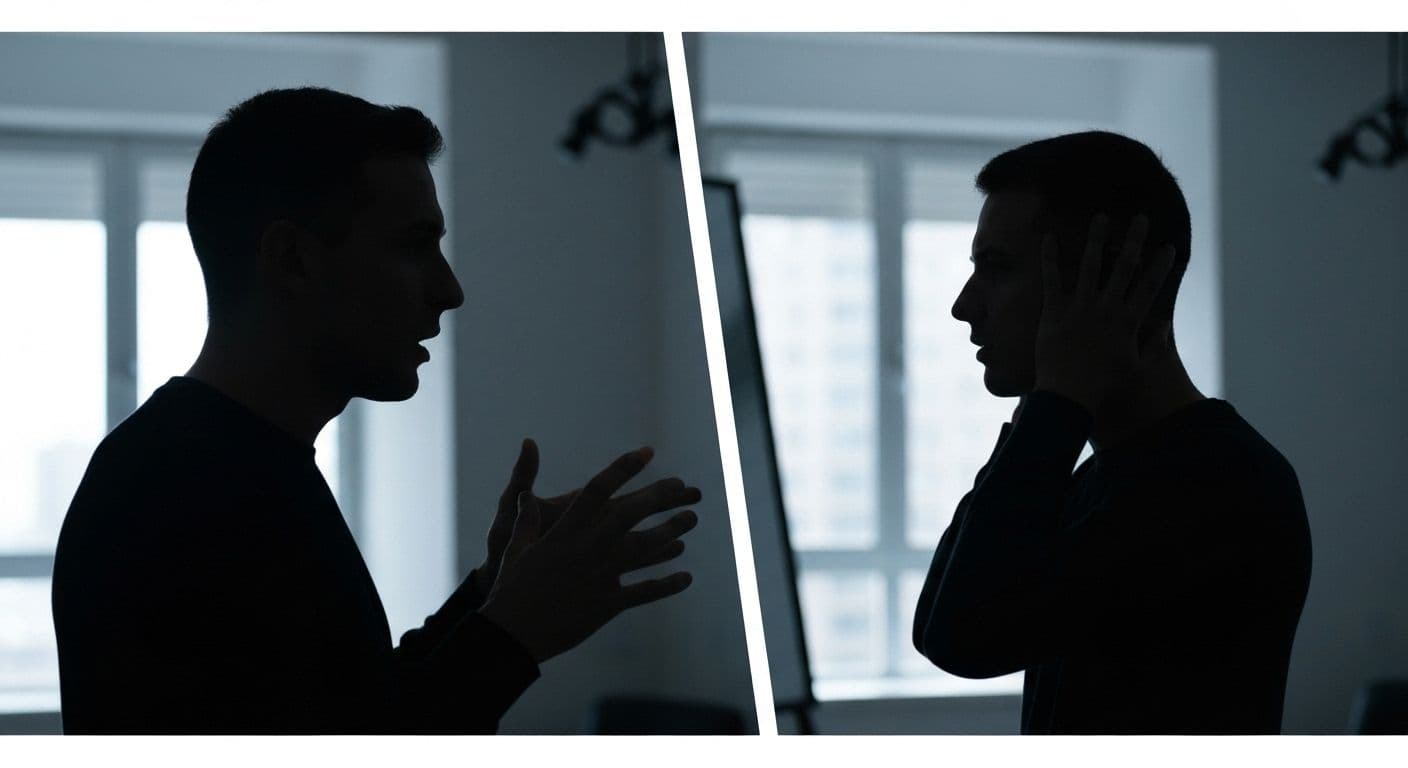
You've probably watched a friend make the same mistakes over and over, despite your best attempts to help. Maybe they keep choosing the wrong partners, repeating toxic work patterns, or sabotaging their own goals. You offer feedback with genuine care, but it bounces off like water on glass. This isn't stubbornness or willful ignorance—it's what psychologists call the self-awareness gap. Understanding why people with no self awareness struggle to recognize their own patterns isn't about assigning blame. It's about grasping the psychological mechanisms that create blind spots and learning practical approaches for supporting someone who genuinely can't see what seems obvious to everyone else.
The good news? Once you understand how the self-awareness gap works, you'll gain tools that help both your friend and yourself. This knowledge reveals why direct feedback often backfires and what actually works instead. More importantly, exploring how people with no self awareness operate shines a light on your own blind spots, creating opportunities for personal growth and emotional intelligence that ripple through all your relationships.
Why People With No Self Awareness Can't See Their Patterns
Your brain is designed to protect your sense of self, which means it automatically filters information that threatens your self-image. This creates cognitive blind spots—areas where you literally cannot process certain feedback because your defensive mechanisms kick in first. For people with no self awareness, these mechanisms work overtime, creating an invisible shield around uncomfortable truths.
Here's what happens neurologically: When feedback arrives that contradicts someone's self-narrative, their brain treats it like a physical threat. The amygdala activates, cortisol floods the system, and rational processing shuts down. The person isn't choosing to ignore your feedback—their nervous system is automatically deflecting it before it reaches conscious awareness.
Cognitive Defense Mechanisms
Think of defensive mechanisms as your brain's security system. They include rationalization ("I had good reasons"), projection ("Actually, you're the one who does that"), and denial ("That never happened"). These aren't conscious lies. People with no self awareness genuinely believe their alternative explanations because their brain has already rewritten the story to maintain psychological safety.
Self-Protective Narratives
Everyone carries a narrative about who they are—"I'm a good friend," "I'm responsible," "I'm open-minded." When reality contradicts this story, people with no self awareness unconsciously filter out the contradictory data. If someone believes they're an excellent listener, they literally won't register the five times this week they interrupted others. Their brain has already categorized those moments as exceptions or misunderstandings.
Emotional Regulation Challenges
The difference between willful ignorance and genuine lack of self awareness often comes down to emotional regulation capacity. Someone with strong emotional regulation skills can sit with uncomfortable feedback long enough to examine it. People with no self awareness experience feedback as an emotional flood they can't manage, so their brain automatically rejects it as self-protection. It's not stubbornness—it's survival mode.
How to Support People With No Self Awareness Without Pushing Them Away
Direct feedback rarely works with people with no self awareness because it activates their defensive systems. Instead, try the "curious observer" approach: Ask questions that help them discover patterns themselves. "I noticed you mentioned feeling excluded at work three times this month. What do you think might be contributing to that?" This bypasses defensiveness because they're exploring rather than being told.
Timing matters enormously. People with no self awareness have moments of receptivity—usually when they're calm, feeling secure, and not already stressed. Notice when your friend seems reflective rather than reactive. That's your window for gentle pattern-pointing.
Here's language that reduces defensiveness while increasing openness:
- "I'm curious about something I've observed..."
- "Help me understand how you see this situation..."
- "What patterns do you notice when you look back at..."
- "I wonder if there's a connection between..."
Sometimes the most supportive action is stepping back. If you're repeatedly offering insights that go nowhere, you're not helping them—you're draining yourself. Protecting your own emotional energy isn't selfish; it's necessary. You can care about someone while accepting that their self-awareness journey happens on their timeline, not yours.
Building Your Own Awareness While Helping People With No Self Awareness
Understanding others' blind spots naturally illuminates your own. When you recognize how defensive mechanisms work in your friend, you'll start catching yourself doing the same thing. This awareness is gold for developing emotional intelligence and stronger relationships.
Ready to develop self-awareness in bite-sized, manageable ways? Try these micro-practices: After conversations, ask yourself what you felt versus what you said. Notice when you explain away feedback versus sitting with it. Catch yourself mid-rationalization and get curious about what you're protecting.
The beauty of working on self-awareness is that it's never about perfection—it's about progress. Every time you recognize a pattern in yourself or others, you're building the emotional intelligence that transforms how you navigate relationships, stress, and personal growth. Supporting people with no self awareness teaches you patience, boundary-setting, and the humility to acknowledge your own blind spots. That's the ripple effect: your growth inspires theirs, and vice versa.



