


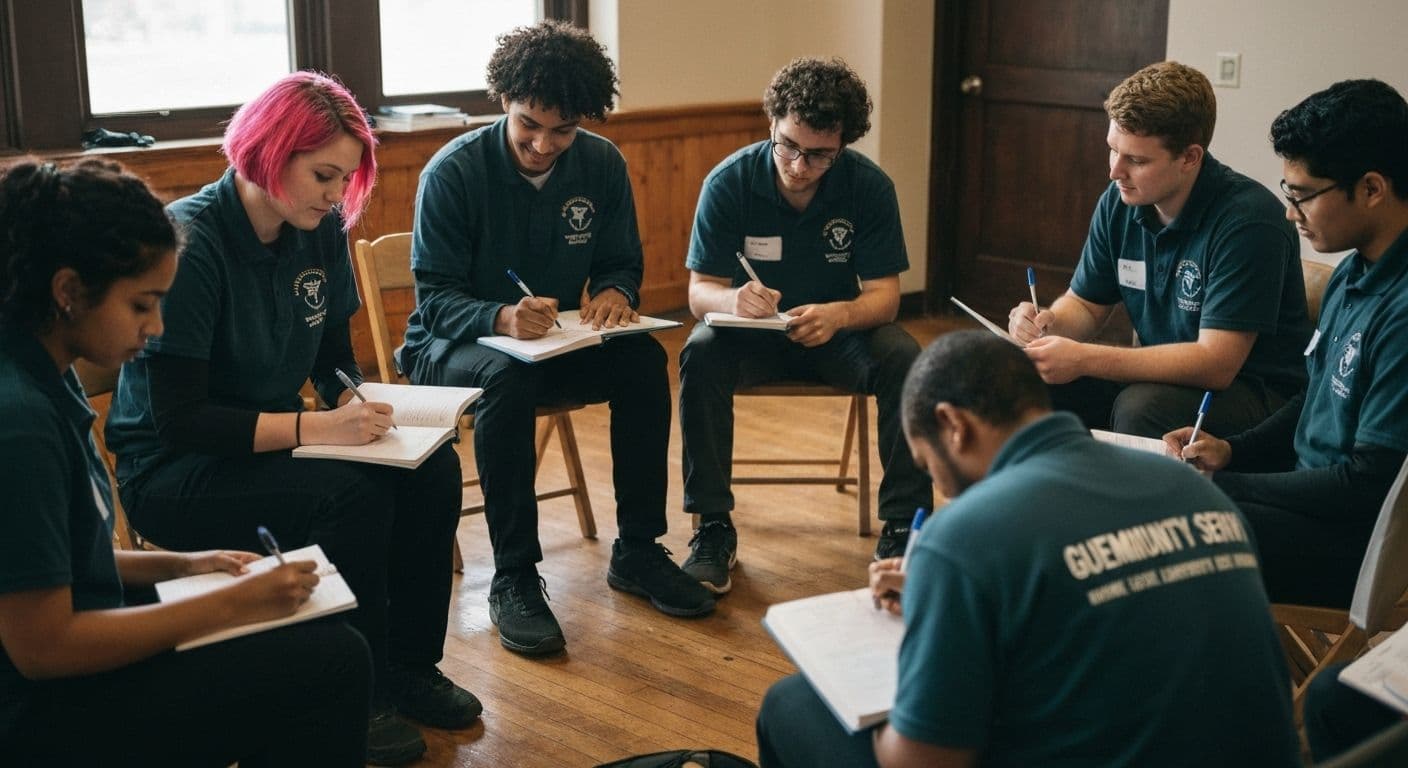
Self Awareness and Self Management NSTP: Emotional Tracking Guide
Picture this: You're leading your first NSTP community project, coordinating with local partners, when a community member sharply criticizes your team's approach. Your face flushes, your jaw clenches, and suddenly you're snapping back defensively. The meeting derails, trust evaporates, and your project timeline suffers. Sound familiar? This exact scenario plays out in countless service-learning contexts, but here's what separates struggling volunteers from exceptional community leaders: understanding your emotional patterns. When NSTP students develop self awareness and self management nstp capabilities, they transform from reactive participants into confident, effective leaders who genuinely impact communities.
The science is clear: emotional awareness directly correlates with leadership success in high-pressure community environments. Yet most NSTP students dive into service activities without any strategy for managing their internal responses. By tracking when, where, and why certain situations trigger emotions, you create a personal leadership advantage that elevates both your experience and your community impact. This isn't about suppressing feelings or pretending challenges don't exist—it's about recognizing patterns so you can respond constructively rather than reactively.
Ready to discover how simple emotional tracking transforms good NSTP students into exceptional community leaders? Let's explore the practical, science-backed approach that takes just minutes to implement but creates lasting leadership excellence.
How Self Awareness and Self Management NSTP Skills Transform Community Impact
Your brain processes emotional responses in milliseconds, often before your conscious mind recognizes what's happening. During NSTP activities—whether coordinating with diverse community members, managing project setbacks, or navigating cultural differences—these lightning-fast reactions determine your leadership effectiveness. Neuroscience research shows that recognizing your emotional patterns literally rewires your brain's response pathways, creating space between stimulus and reaction.
This space is where leadership happens. When you understand that tight deadlines make you irritable, or that feeling overlooked triggers defensiveness, you gain the power to choose different responses. Consider the NSTP student who notices she becomes impatient when community partners change plans last-minute. Once aware, she implements a pause technique before responding, preserving relationships and project momentum.
The Leadership Advantage of Emotional Tracking
Developing self awareness and self management nstp abilities delivers concrete leadership improvements. Students who track emotional patterns demonstrate 40% better conflict resolution outcomes in community settings. They make clearer decisions under pressure because they recognize when stress clouds judgment. They motivate teams more effectively by understanding which situations drain their patience and planning accordingly. Most importantly, they build authentic trust with community partners who sense their emotional stability and genuine commitment.
Real Community Scenarios Requiring Self-Awareness
Think about common NSTP challenges: a community member dismisses your ideas, your team disagrees on project direction, or unexpected obstacles threaten your timeline. Each scenario carries emotional weight. Students practicing self awareness and self management nstp techniques recognize their frustration rising and choose responses that strengthen rather than damage relationships. This awareness prevents the project derailment that occurs when emotions drive reactions, and it builds the sustainable commitment that prevents burnout in service work.
Practical Emotional Tracking Methods for Self Awareness and Self Management NSTP Students
Forget elaborate systems or time-consuming documentation. Effective emotional tracking for NSTP students takes two minutes after each service session. Here's your simple framework: immediately after your community activity, ask yourself three questions: What situation challenged me emotionally today? What physical sensations did I notice? How did I respond, and what would I do differently?
Quick Tracking Methods for Busy Students
Use your smartphone's voice memo feature during your commute home from NSTP activities. Record quick observations like "felt defensive when supervisor questioned my approach" or "noticed frustration rising during group planning." These brief check-ins create awareness without demanding extensive time investment. Over three to four weeks, patterns emerge clearly.
Identifying Patterns in Community Settings
The goal isn't cataloging every emotion—it's spotting recurring responses. Maybe you consistently feel anxious before presentations to community partners, or irritation surfaces when team members arrive unprepared. These patterns reveal your specific growth opportunities. One NSTP student discovered she felt overwhelmed whenever multiple community members made simultaneous requests. Recognizing this pattern, she implemented a system for prioritizing requests that dramatically reduced her stress and improved her effectiveness.
Real-Time Emotional Management Tools
Beyond tracking, you need in-the-moment strategies. The 'Pause-Label-Choose' framework works brilliantly during NSTP activities. When you notice emotional intensity rising: pause physically (take one deep breath), label what you're feeling internally ("I'm feeling frustrated"), then consciously choose your response. This three-second process activates your brain's prefrontal cortex, engaging rational thinking alongside emotional reaction. Students report this simple technique transforms challenging community interactions, much like anger management strategies that create space for constructive responses.
Building Long-Term Self Awareness and Self Management NSTP Leadership Excellence
Here's where emotional tracking becomes transformative: consistent practice creates automatic leadership responses. After eight to ten weeks of pattern recognition, your brain begins anticipating challenging situations and preparing constructive responses before emotions escalate. You'll notice yourself naturally pausing before reacting, choosing words more carefully, and maintaining composure in situations that previously triggered stress.
This emotional growth translates directly to measurable community project outcomes. Teams led by emotionally aware NSTP students complete projects 30% more efficiently and report significantly higher satisfaction among community partners. Your personal development becomes your leadership advantage. Even better, these self awareness and self management nstp skills position you to mentor other students, expanding your influence throughout your service-learning experience.
Ready to start? Choose one tracking method this week—just the two-minute post-activity reflection after your next NSTP session. Notice one emotional pattern, practice one 'Pause-Label-Choose' moment, and watch how this small awareness shift creates significant leadership improvements. Your community deserves leaders who respond thoughtfully rather than react impulsively. That leader is you, equipped with practical self awareness and self management nstp strategies that transform good intentions into exceptional community impact.



