


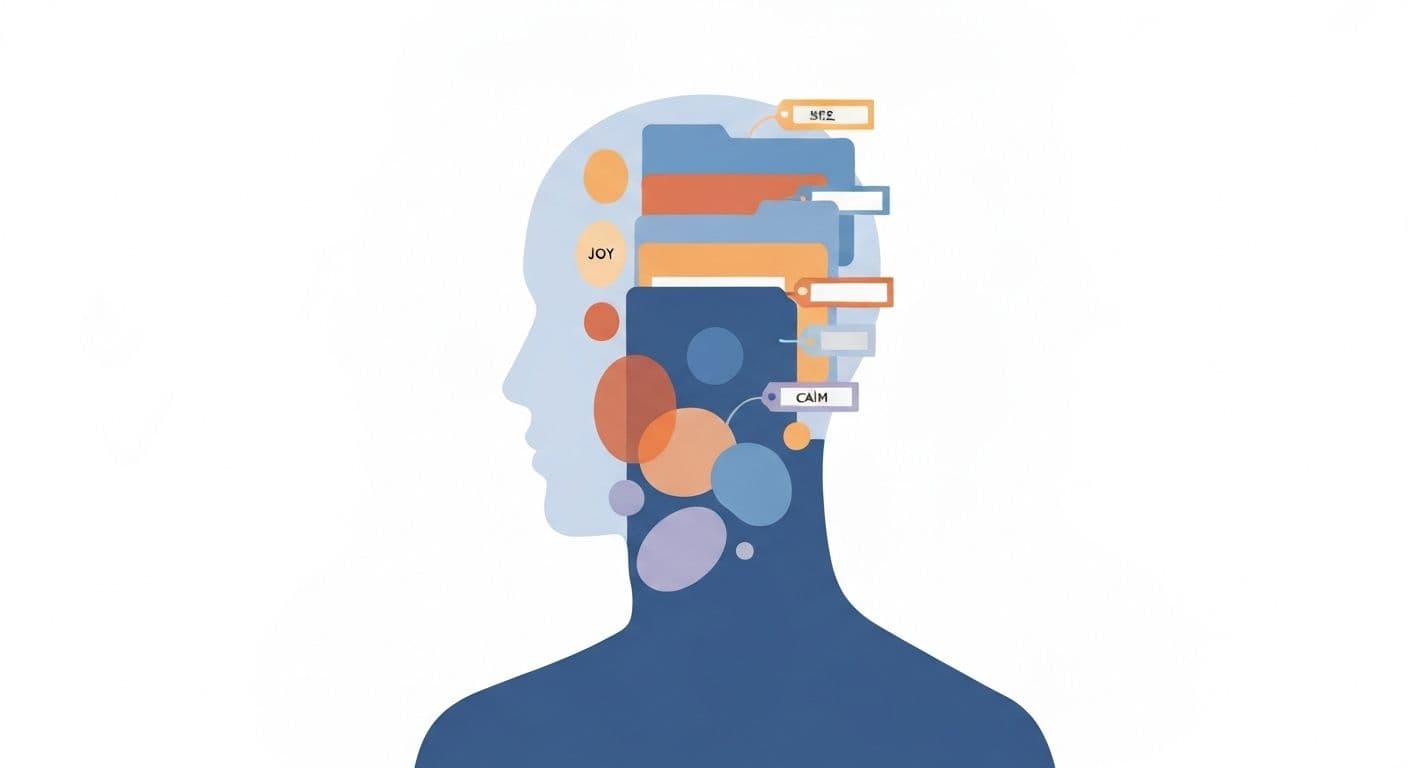
Self Awareness Emotions: Why Naming Feelings Improves Decisions
You're sitting at your desk, staring at an important email you need to send. Your chest feels tight, your thoughts are racing, and before you know it, you've fired off a message you'll regret in an hour. Sound familiar? When you're caught in a swirl of vague emotional discomfort, every decision feels harder than it should be. The secret to breaking this cycle lies in developing self awareness emotions through a simple but powerful practice: naming what you're actually feeling.
Here's the thing your brain doesn't want you to know—when emotions remain unnamed and unidentified, they hijack your decision-making process. That foggy sense of "feeling off" keeps your mind spinning without direction. But when you pause to label your emotions precisely, something remarkable happens: your brain shifts from reactive mode to responsive mode. This isn't just feel-good advice; it's a science-backed technique called affect labeling that literally changes how your brain processes emotional information.
Ready to discover how a daily practice of naming your emotions transforms cloudy judgment into crystal-clear choices? Let's explore the neuroscience behind self awareness emotions and build a practical framework you can start using today.
The Science Behind Self Awareness Emotions and Decision-Making
When you name an emotion—saying "I feel frustrated" instead of "I feel bad"—your brain does something fascinating. Research shows that affect labeling reduces activity in the amygdala, the alarm system responsible for intense emotional reactions. At the same time, it increases engagement in your prefrontal cortex, the rational thinking center that helps you make sound decisions.
This process, central to developing self awareness emotions, creates what scientists call emotional granularity. Instead of experiencing a blob of negative feelings, you distinguish between anxiety, disappointment, irritation, or overwhelm. Each of these emotions carries different information about what you need and what action makes sense.
Think about deciding whether to attend a social event. Without emotional labeling, you might just feel "not up to it" and cancel. But when you practice self awareness emotions and name what's happening, you might discover you're actually feeling drained rather than anxious. That distinction matters—drained suggests you need rest, while anxious might mean you need strategies for managing anticipatory anxiety before the event. Same situation, completely different decisions based on emotional clarity.
The magic happens in the space between feeling and action. Emotional regulation through naming creates a pause—just a few seconds—where your prefrontal cortex catches up with your amygdala. In that pause lives your power to choose responses instead of defaulting to reactions.
Your Daily Framework for Building Self Awareness Emotions
Let's make this practical with a three-checkpoint method that fits into any schedule. These emotional check-ins throughout your day build the self awareness emotions muscle without demanding hours of effort.
Morning Emotional Baseline Check
Before diving into your day, spend 30 seconds asking: "What am I feeling right now?" Notice physical sensations—tension in your shoulders, butterflies in your stomach, heaviness in your chest. Then match those sensations to specific emotion words. Instead of "stressed," try "apprehensive about the presentation" or "overwhelmed by my to-do list."
Mid-Day Emotion Recognition
Set a reminder for midday to pause and name your current emotional state. This checkpoint often reveals hidden patterns. You might notice that after certain meetings you feel dismissed, or that skipping lunch leaves you irritable rather than just hungry. These insights about your self awareness emotions become valuable data for better daily choices.
Evening Reflection Practice
Before bed, review your emotional landscape from the day. Identify three distinct emotions you experienced and what situations prompted them. This practice expands your emotional vocabulary beyond basic labels like happy, sad, or angry. Consider emotions like restless, validated, defensive, hopeful, or resigned. The more precise your emotional awareness techniques become, the clearer your decisions get.
Transforming Self Awareness Emotions Into Clearer Decisions
Named emotions become your personal GPS for decision-making. When you identify that you're feeling resentful about taking on extra work, that emotion signals a boundary issue. When you notice excitement mixed with nervousness about a new opportunity, those feelings highlight what you value and where you might need support.
Here's your decision-making framework using self awareness emotions: First, name the emotion precisely. Second, ask what this emotion is telling you about your needs or values. Third, consider what action honors both the emotion and your goals. This approach prevents impulsive reactions driven by unnamed discomfort.
Consider common scenarios where this practice shines. Feeling defensive during feedback? That named emotion helps you pause before responding and consider whether the feedback touches a genuine area for growth. Feeling drained by certain friendships? That clarity guides decisions about where to invest your social energy. Experiencing restlessness at work? That emotion might be signaling misalignment with your values, prompting meaningful changes rather than surface-level fixes.
The beauty of developing self awareness emotions through daily naming practice is its immediate payoff. You don't need months of practice to see benefits—the moment you start identifying emotions precisely, you create that crucial pause between stimulus and response. That pause is where better decisions live. Ready to start your three-checkpoint practice today? Your clearer, more intentional choices are waiting on the other side of simply naming what you feel.



