


Self Awareness for Preschoolers: Fun Activities to Build Emotional Recognition
Your preschooler melts down in the grocery store, face red, fists clenched, tears streaming. When you ask what's wrong, they can't tell you—they just don't have the words yet. Sound familiar? This common scenario highlights why self awareness for preschoolers is so crucial. When young children can't identify or name their emotions, frustration becomes tantrums, sadness becomes withdrawal, and everyday challenges feel overwhelming for everyone involved.
Building self awareness for preschoolers doesn't require fancy programs or special training. It happens naturally through playful conversations during meals, silly games before bedtime, and simple check-ins during car rides. The best part? You're already spending this time together—you're just going to make it work a little harder for your child's emotional development and self-worth.
This guide shows you exactly how to help your preschooler recognize, name, and understand their feelings using activities that fit seamlessly into your daily routine. No extra time required, no pressure, just practical strategies that actually work.
Why Self Awareness for Preschoolers Starts with Naming Feelings
Here's something fascinating: when preschoolers learn to name their emotions, their brains literally calm down. Neuroscience shows that labeling feelings activates the thinking part of the brain, which helps regulate the emotional part. It's like giving your child a control panel for their internal experience.
Self awareness for preschoolers develops rapidly between ages three and five. During this window, children transition from experiencing emotions as overwhelming physical sensations to recognizing them as distinct, manageable feelings. Your job isn't to eliminate big emotions—it's to give your child the vocabulary to identify them.
Start with simple conversation starters woven into everyday moments. During dinner, try "I felt frustrated when my computer froze today. How did you feel when your tower fell over?" In the car, play "Feelings I-Spy" where everyone shares one emotion they felt that day. At bedtime, ask "What made you feel happy today? What made you feel sad?"
The most powerful teaching tool you have is modeling your own emotions. When you say "I'm feeling annoyed right now because I can't find my keys," you're demonstrating that naming feelings is normal, safe, and helpful. This casual emotional awareness practice builds your preschooler's recognition skills without any formal lesson.
Keep emotion check-ins brief and pressure-free. If your child says "I don't know" when you ask how they feel, offer options: "Are you feeling excited, tired, or maybe a little grumpy?" Multiple choice makes emotional recognition much easier for developing brains.
Playful Self Awareness Activities for Preschoolers That Work
Ready to turn emotional learning into actual fun? These self awareness activities for preschoolers feel like games, not lessons—which is exactly why they work so well.
Emotion Charades Game
This classic game becomes a powerful self awareness tool with one simple twist. Take turns acting out feelings while others guess. Start with basics: happy, sad, angry, scared, surprised. As your preschooler gets better, add nuanced emotions like frustrated, proud, or disappointed. This playful practice helps children recognize how emotions show up in facial expressions and body language.
Feeling Faces Activities
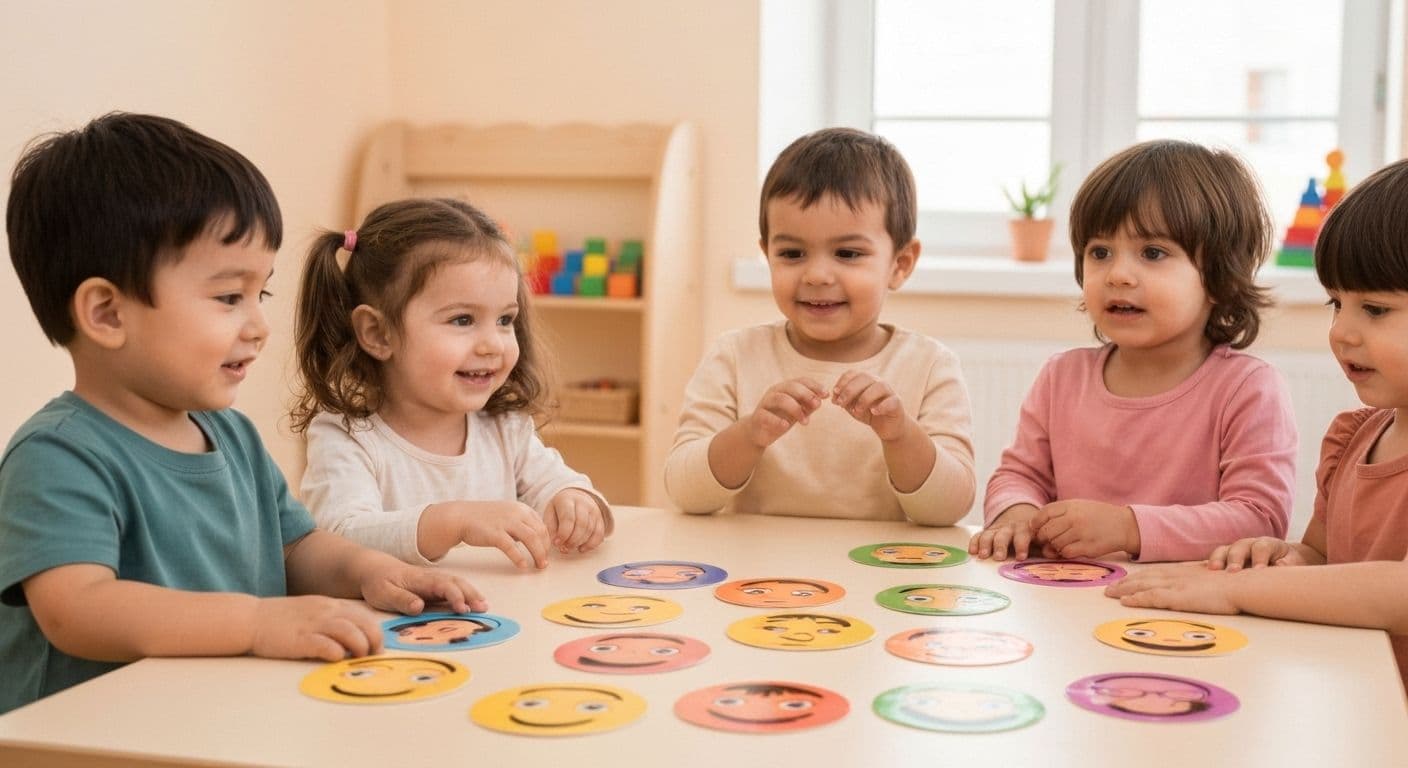
Grab a mirror and make faces together. "What does your face look like when you're excited? When you're disappointed?" You can also draw simple emotion faces on paper plates, use printable emotion cards, or even create a feelings chart with photos of your child showing different expressions. These visual tools give preschoolers concrete references for abstract emotional concepts.
Try the emotion color association game where feelings get paired with colors. "When you're calm, what color does that feel like? When you're angry?" There's no right answer—the goal is helping your child develop their own emotional vocabulary through creative self-awareness building.
During storytime, pause occasionally to identify character feelings. "How do you think the bear feels right now? How can you tell?" This emotion spotting practice helps preschoolers recognize feelings in themselves and others—a foundational skill for emotional intelligence.
Building Daily Self Awareness Habits for Preschoolers
Consistency beats perfection every single time when developing self awareness for preschoolers. You don't need to practice emotional recognition activities every day or even most days. What matters is creating regular opportunities for your child to notice, name, and talk about feelings.
Integrate emotion talk into routines you already have. Morning transitions? "How's your body feeling this morning—energized or still sleepy?" Snack time? "Does your tummy feel hungry, full, or just right?" These micro-moments add up to major growth in emotional awareness.
Celebrate small wins enthusiastically. When your preschooler says "I'm frustrated" instead of throwing a toy, that's huge progress. When they notice "You look sad, Mommy," they're developing empathy alongside self-awareness. These victories deserve recognition.
Remember that emotional recognition is a skill that grows with practice, just like riding a bike or learning letters. Some days your preschooler will nail it. Other days they'll have zero interest in talking about feelings—and that's completely normal. Keep showing up with playful, pressure-free opportunities, and their self awareness for preschoolers abilities will steadily develop.
Want more tools to boost your family's emotional intelligence? Ahead offers science-driven strategies that make developing self-awareness feel natural and achievable, giving you bite-sized support exactly when you need it.



