


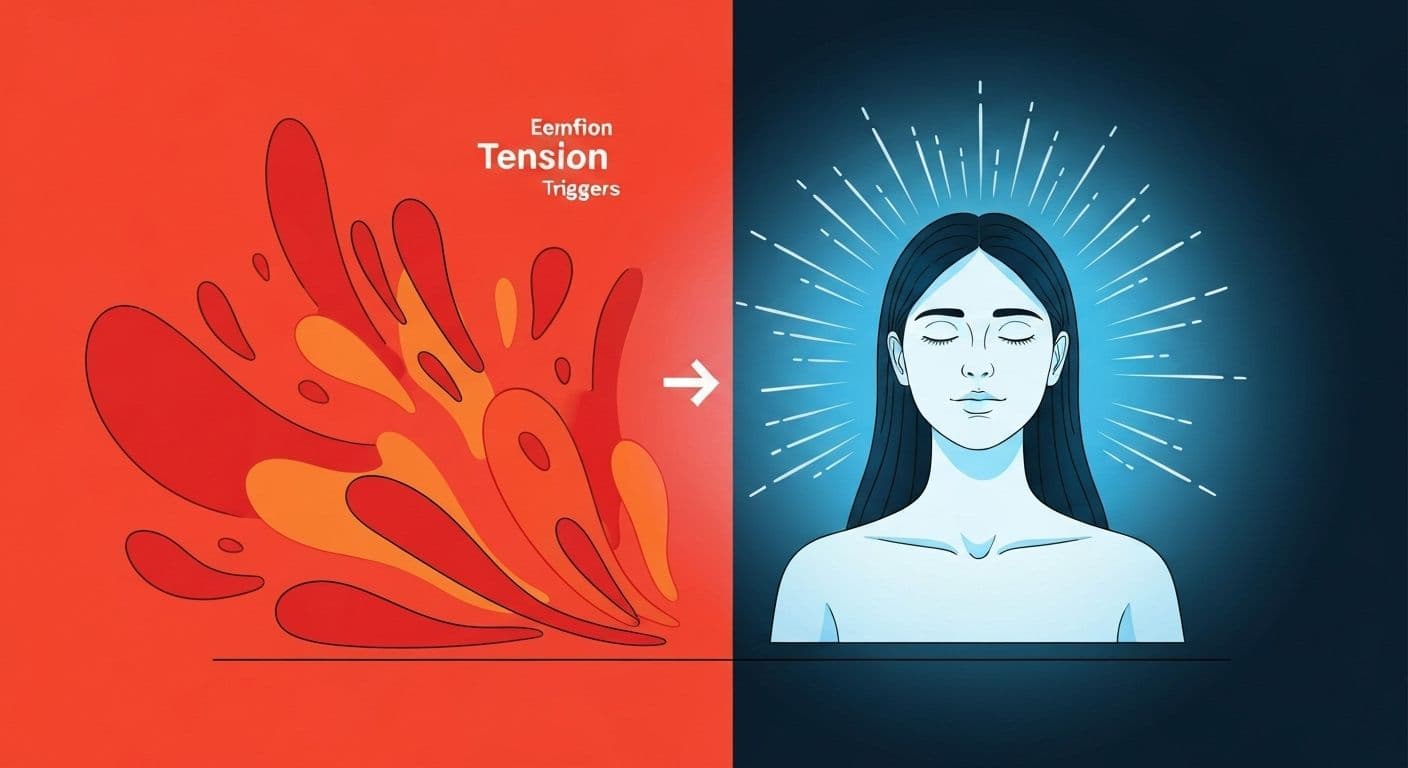
Self Awareness in Conflict Management: Recognize Your Triggers
You're in the middle of a conversation when suddenly you notice your voice has gotten sharper. Your chest feels tight. The other person looks defensive, and you realize—too late—that this discussion has turned into a conflict. Sound familiar? The truth is, most conflicts escalate because we miss the early warning signs that our emotions are heating up. Developing self awareness in conflict management means learning to recognize these signals before you're in the middle of a heated exchange.
Here's the good news: spotting your conflict triggers early isn't some magical skill reserved for zen masters. It's a practical, learnable technique that anyone can develop. This guide will walk you through how to identify the physical and mental warning signs that signal you're heading toward conflict, help you understand your personal patterns, and give you a simple framework to pause before reacting. Think of it as building an early warning system for your emotions—one that gives you the power to choose your response rather than being hijacked by automatic reactions.
The key to effective self awareness in conflict management lies in catching yourself in those crucial moments before things escalate. Let's explore how to build that awareness, starting with your body's built-in alarm system.
The Body Knows First: Physical Signs That Signal Self Awareness in Conflict Management
Your body reacts to potential conflict faster than your conscious mind can process what's happening. While you're still forming thoughts about what someone just said, your nervous system has already kicked into gear. This is why developing self awareness in conflict management starts with tuning into your physical sensations.
Here are the most common physical warning signs that signal you're entering conflict mode: jaw clenching or teeth grinding, shoulders tensing up toward your ears, a knot forming in your stomach, heat rising in your face or chest, your heart rate speeding up, and your breathing becoming shallow or rapid. These aren't random sensations—they're your fight-or-flight response preparing you to defend yourself.
Ready to try a quick body-scan technique? During your next tense conversation, mentally check in with these key areas: your jaw, shoulders, stomach, and breath. Simply noticing these sensations creates a tiny but powerful pause. This moment of awareness is where emotional regulation begins.
The beautiful thing about physical signals is that they're harder to ignore than thoughts. Your pounding heart doesn't lie. When you notice these signs early, you give yourself the chance to intervene before your emotions take over completely.
Pattern Recognition: Building Self Awareness in Conflict Management Through Situation Analysis
Once you've started noticing your physical warning signs, the next step in self awareness in conflict management is identifying your personal conflict patterns. Certain situations consistently activate your defensive reactions—and they're different for everyone.
Here's a simple 3-question framework to use during tense moments: What just happened? (The actual event, not your interpretation.) What am I feeling? (Name the specific emotion—frustrated, dismissed, threatened.) What do I need right now? (Recognition, fairness, space, understanding.)
Let's say a colleague interrupts you during a meeting. The external situation is simple: they spoke while you were speaking. But your internal interpretation might be "They don't respect my ideas" or "I'm being dismissed again." This interpretation is what triggers emotions, not the interruption itself.
Common conflict activators include receiving criticism (even constructive feedback), feeling dismissed or not heard, time pressure or rushing, perceived unfairness, and being questioned or challenged. Sound familiar? Once you identify which situations consistently trigger emotions for you, you can prepare for them rather than being blindsided.
Try applying the 3-question framework next time you feel defensive. A real example: Your partner says "You never help with dishes." What happened? They made a statement about dishes. What are you feeling? Attacked and unfairly accused. What do you need? To be seen for the things you do contribute. This clarity helps you respond to the actual issue rather than reacting from hurt.
Creating Space: Practical Strategies for Self Awareness in Conflict Management
The gap between trigger and reaction—that's where your power lives. Effective self awareness in conflict management means widening that gap so you can choose your response instead of being controlled by automatic patterns.
Here are four concrete techniques to create that space: Try tactical breathing—breathe in for four counts, hold for four, out for six. This physiologically calms your nervous system. Use the 6-second pause—literally count to six before responding. It feels longer than it is, but it works. Name the emotion silently—"I'm feeling defensive" or "That's anger rising." This simple act of emotional awareness creates distance. Do a physical reset—step back, uncross your arms, or excuse yourself briefly.
These micro-interventions interrupt your automatic reactive patterns. They're not about suppressing your emotions—they're about giving yourself a choice in how you express them. The key is practicing these techniques during calm moments first, similar to how you'd rehearse task initiation strategies before you need them.
Building self awareness in conflict management is a progressive skill. You won't catch every trigger at first, and that's completely okay. Celebrate the small wins—noticing your jaw clench, taking one deep breath before responding, or recognizing a pattern after the fact. Each moment of awareness strengthens your ability to manage conflicts more effectively. Ready to develop stronger emotional intelligence skills and transform how you handle difficult conversations? The journey starts with that first pause.



